
Essential Guide to Bar and Stools for Commercial Spaces

All Categories

bar and stools

When selecting bar and stools for commercial spaces, understanding the nuances of design, material, and application is essential. Bar and stools serve not only as functional seating solutions but also enhance the aesthetic appeal of venues such as restaurants, offices, and lounges. This article aims to address key concerns for purchasing managers and facility planners by providing insights into selecting the right products, installation guidance, common issues, cost considerations, and sourcing reliable suppliers.
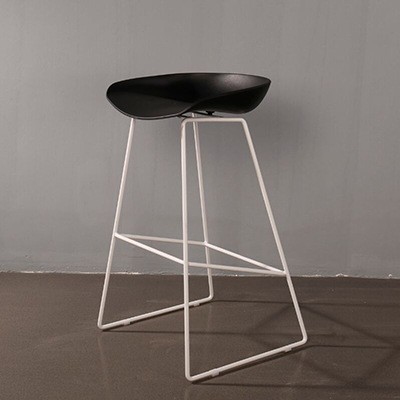
Understanding the Cost Factors of Bar and Stools for Bulk Purchases

Understanding the Cost Factors of Bar and Stools for Bulk Purchases

Proper installation of bar and stools can significantly impact user experience and safety. For commercial settings, it is essential to adhere to ergonomic principles to accommodate various user heights and preferences. Ensuring that there is adequate space between stools is crucial; typically, 6 to 8 inches between the edges of each stool is recommended for comfort and accessibility.

In restaurant environments, consider the flow of foot traffic. Stools should be positioned to allow easy movement for both patrons and staff. If the stools are to be bolted down for safety or to prevent theft, ensure that the installation is completed in compliance with local safety regulations.

For outdoor installations, such as patio areas, ensure that the chosen materials are weather-resistant. Stainless steel or treated wood options are often preferred for their durability against the elements. Additionally, checking for stability on uneven surfaces is important; adjustable legs or stable bases can be beneficial in these cases.
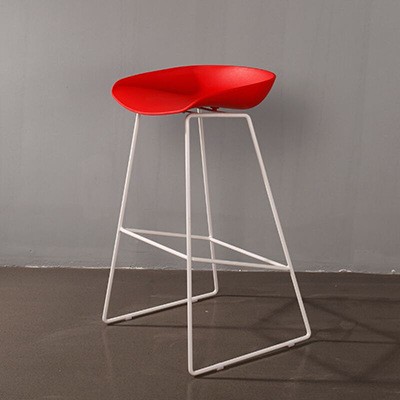
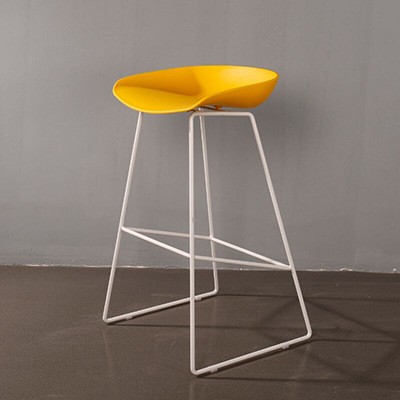
Tips for Contractors

Tips for Contractors

While bar and stools are popular choices for many commercial environments, they can come with certain challenges. One common issue is wobbling, which can result from uneven floors or poor-quality construction. Ensuring that the stools have adjustable legs or a solid base can help mitigate this problem.

Another concern is the wear and tear of upholstery on stools, especially in high-usage areas. Selecting durable, stain-resistant fabrics or materials can significantly reduce maintenance needs. For wooden stools, regular sealing and finishing can protect against scratches and moisture damage. Options like the GJ019C Integrated Canteen Table & Chair can also provide durable solutions.

Additionally, buyers should be aware of the potential for rust or corrosion in metal stools, particularly in humid environments. Opting for powder-coated finishes or stainless steel can enhance longevity. In all cases, establishing a regular maintenance routine can help address these issues proactively.

Common Problems and Solutions When Selecting Bar and Stools

Common Problems and Solutions When Selecting Bar and Stools

When purchasing bar and stools in bulk, several cost factors come into play. Firstly, the material choice can significantly affect pricing. For example, solid wood options may incur higher costs than metal or plastic variants. Additionally, the complexity of the design can influence labor costs during manufacturing.

Buyers should also consider minimum order quantities (MOQ), as many manufacturers set thresholds for bulk purchases. Understanding these requirements can help in negotiating better pricing. Furthermore, shipping costs must not be overlooked; factors such as distance, weight, and packaging can all impact total expenses.

Another key factor is customization. If specific colors, dimensions, or branding elements are required, these modifications can lead to increased costs. Buyers should seek detailed quotations that outline all potential additional charges, ensuring a clear understanding of the total expenditure involved.

Material Advantages of Bar and Stools for Durability and Style

Identifying reliable suppliers for bar and stools is crucial for ensuring quality and consistency. Start by researching manufacturers with a solid reputation in the commercial furniture industry. Look for companies that specialize in bar and stools, as they will have more extensive knowledge and experience in this specific product category.

Trade shows and industry events can be valuable opportunities to meet suppliers and see products firsthand. Additionally, online platforms and B2B marketplaces provide access to a wide range of manufacturers. When evaluating suppliers, consider requesting samples to assess material quality and craftsmanship directly.

It's also advisable to check for certifications or compliance with industry standards, as this can reflect a supplier's commitment to quality. Engaging in discussions about customization capabilities and lead times can further inform the decision-making process, ensuring that the selected supplier aligns with the project requirements.

In summary, selecting the right bar and stools for commercial use involves careful consideration of design, materials, and installation practices. By understanding common problems, cost factors, and trustworthy sourcing methods, purchasing managers can make informed decisions that enhance their commercial spaces.

Key Features and Benefits for Buyers

Selecting the appropriate bar and stools involves several critical factors, including design, material, height, and intended use. The style should align with the overall design theme of the space. For instance, a modern office may benefit from sleek, minimalist designs, while a rustic café might opt for wooden models that evoke warmth. Additionally, consider options like the HL-670 Series Integrally Molded Fixed Backrest Training Chair for versatile seating choices.

Material selection is equally important. Common materials include metal, wood, and plastic, each offering distinct advantages. Metal stools are often durable and easy to maintain, making them suitable for high-traffic areas. On the other hand, wooden stools provide a classic look but may require more upkeep to prevent wear and damage. Additionally, consider whether the stools will be used indoors or outdoors, as this will influence the choice of materials suitable for varying weather conditions.

Height is another critical factor. Bar stools typically range from 28 to 32 inches in height, designed to pair with counters or bar tops that are 40 to 42 inches high. It's vital to ensure that the seating height complements the bar or table height to maintain comfort and usability. When evaluating options, consider both the aesthetics and functionality to ensure that the selected bar and stools meet the specific needs of the commercial space.

Get a Free Quote

Our representative will contact you soon.
Name
Email
Company Name
Telephone
Message
0/1000
Attachment
Please upload at least an attachment
Up to 3 files, each no larger than 30MB. Supported formats: jpg, jpeg, png, pdf, doc, docx, xls, xlsx, csv, txt, stp, step, igs, x_t, dxf, prt, sldprt, sat, rar, zip.

Related product categories

Essential Guide to Bar and Stools for Commercial Spaces

Get a Free Quote

Our representative will contact you soon.
Name
Email
Company Name
Telephone
Message
0/1000
Attachment
Please upload at least an attachment
Up to 3 files, each no larger than 30MB. Supported formats: jpg, jpeg, png, pdf, doc, docx, xls, xlsx, csv, txt, stp, step, igs, x_t, dxf, prt, sldprt, sat, rar, zip.