
Choosing the Right Work Chair for Home Office

All Categories

work chair for home

Choosing the right work chair for home office applications can significantly influence productivity and comfort. The demand for a work chair for home has grown as more individuals transition to remote work environments. B2B buyers, such as purchasing managers and office planners, often seek ergonomic designs, durability, and cost-effectiveness when evaluating options. This article will guide you through the essential factors to consider, helping you make an informed decision when sourcing work chairs for home office use.
Key Specifications to Evaluate in Home Work Chairs

Key Specifications to Evaluate in Home Work Chairs

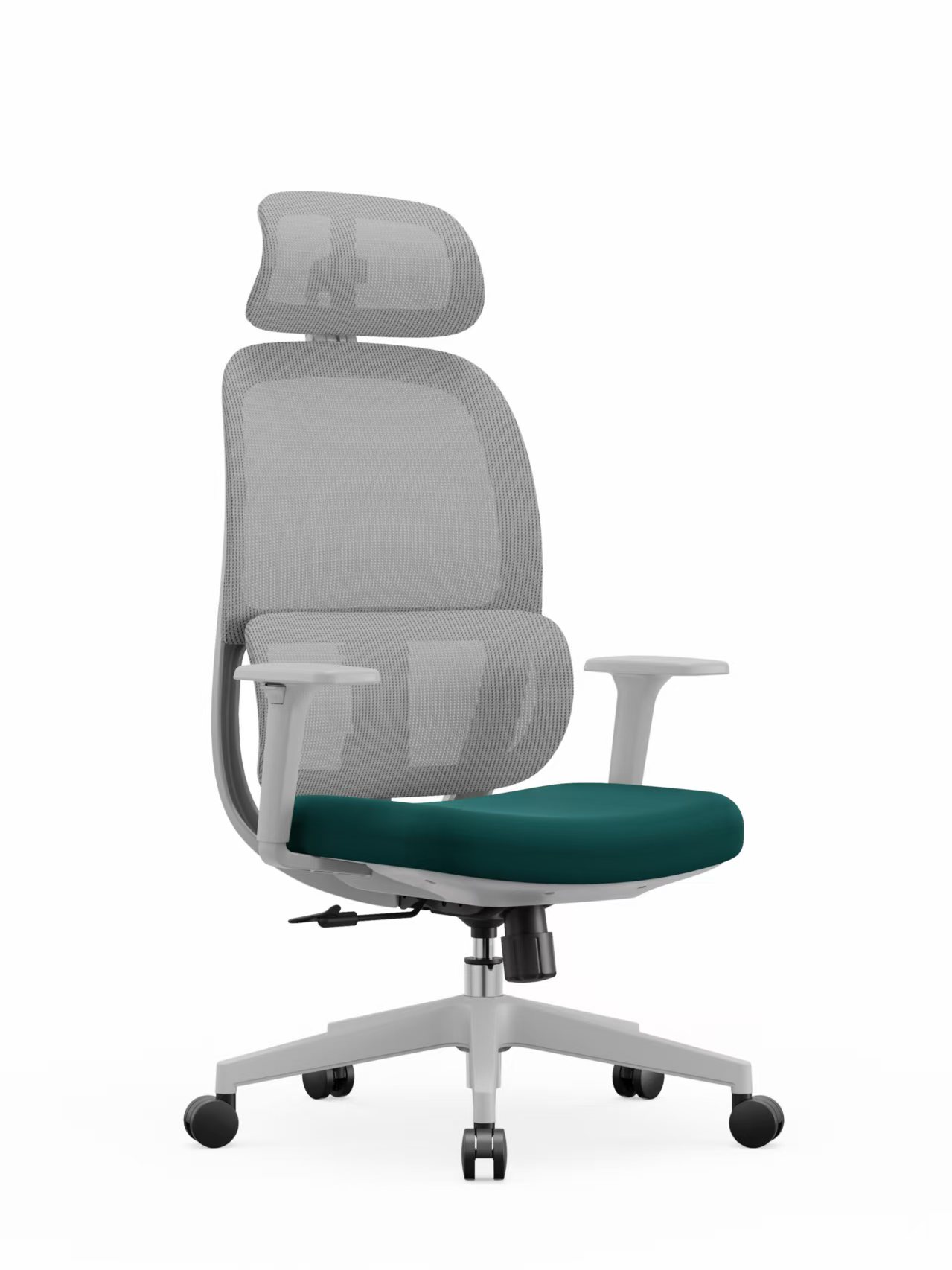
When evaluating work chairs for home, several specifications should be prioritized. First, seat height should be adjustable to accommodate various desk heights and user sizes, ensuring comfort and proper alignment. The seat depth and width are equally important; a seat that is too shallow or narrow can lead to discomfort over time. A depth of 15-17 inches is generally suitable for most users.

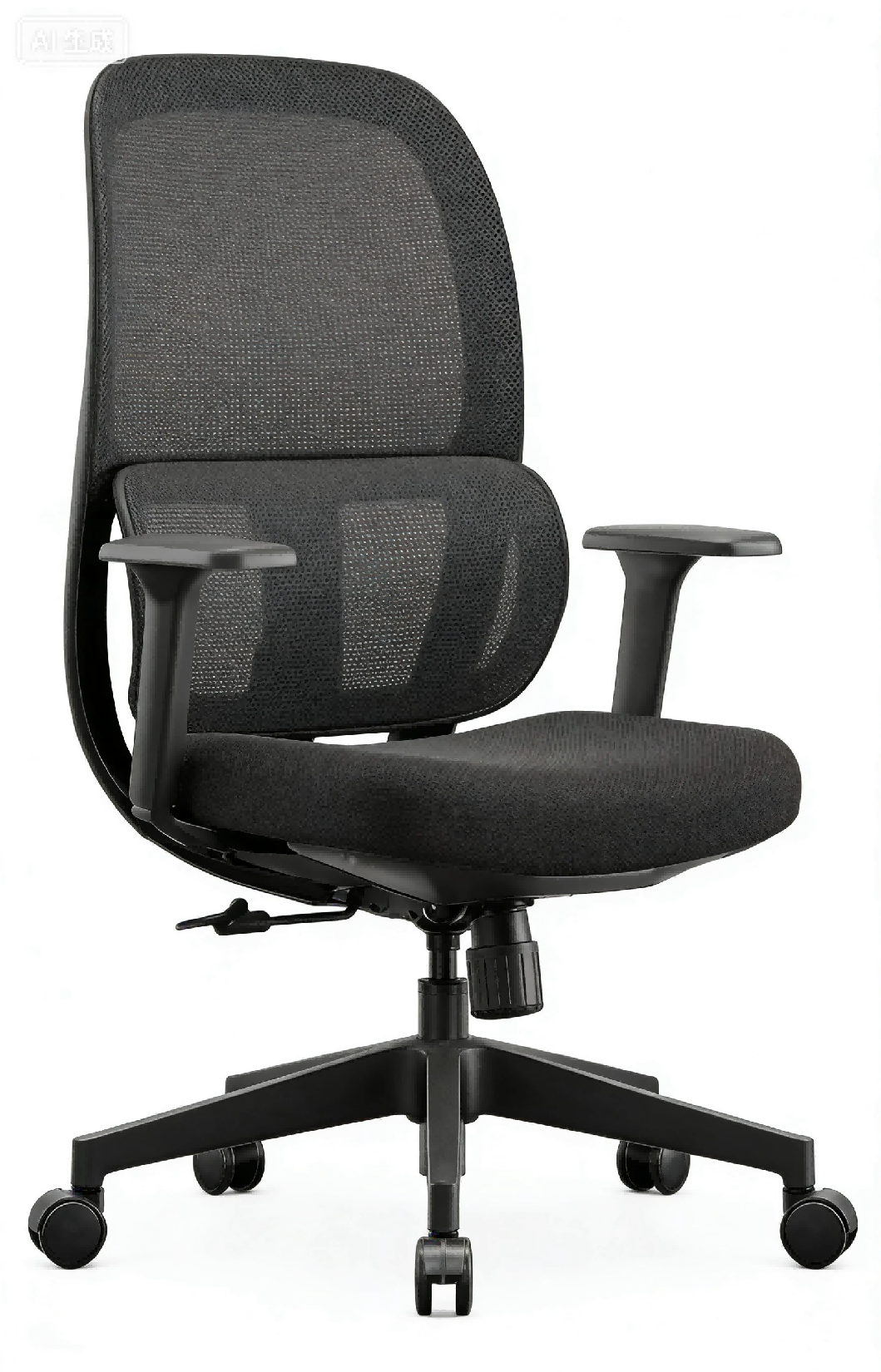
Backrest support is another critical specification. A chair with lumbar support that follows the natural curve of the spine can help prevent back strain. The material of the backrest, whether mesh or padded, affects breathability and comfort, especially in warmer climates.

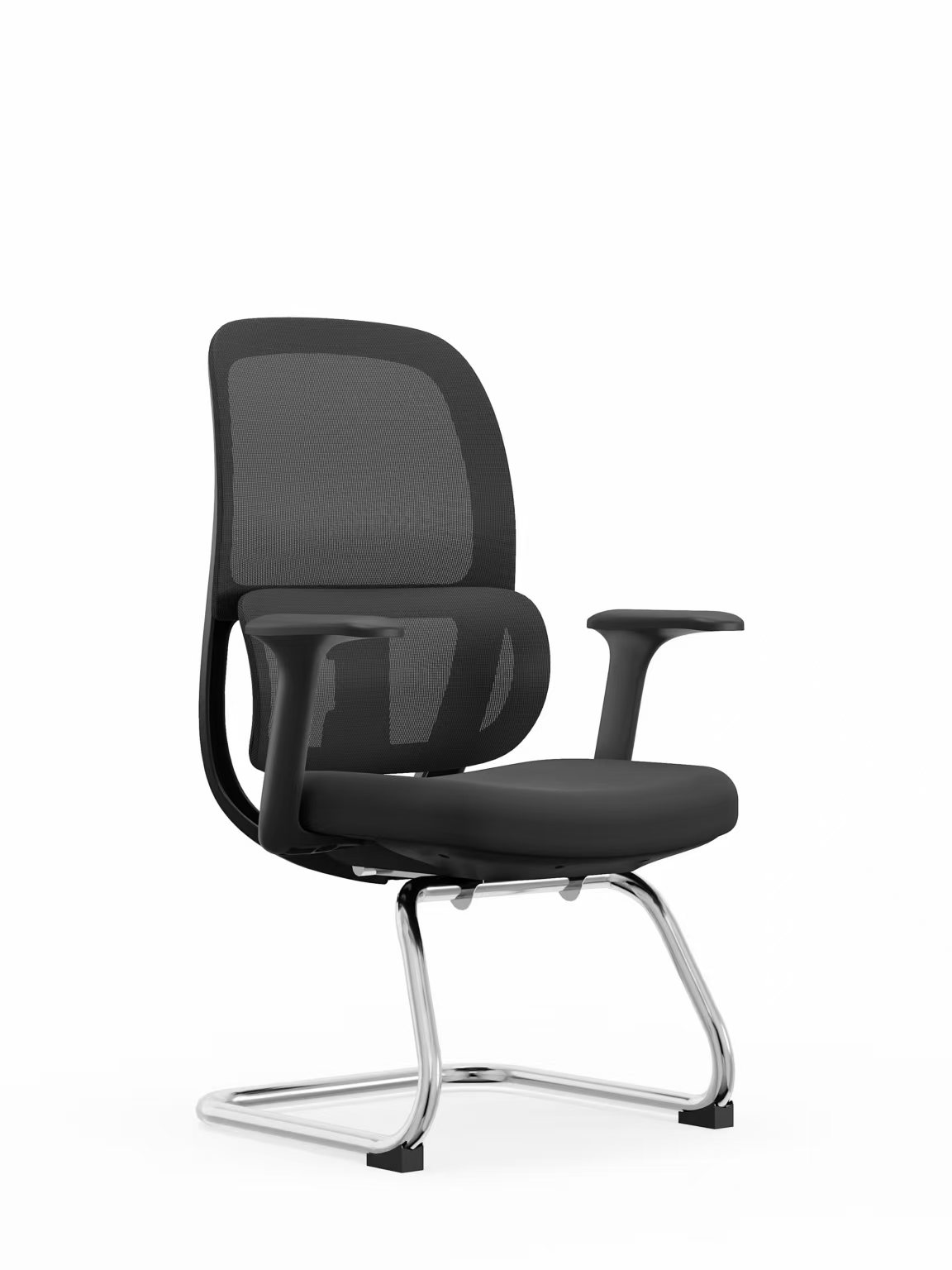
The base of the chair should be stable, with five-point casters to enhance mobility without tipping over. Furthermore, check for a weight capacity rating, which should accommodate the intended user comfortably. Finally, consider the armrest adjustability; chairs with adjustable or removable armrests can offer more versatility and comfort.
Cost Factors When Buying Work Chairs in Bulk

Cost Factors When Buying Work Chairs in Bulk

For B2B buyers looking to purchase work chairs for home in bulk, understanding cost factors is essential. Bulk purchasing often leads to reduced unit prices, but several variables can influence overall costs. Key considerations include the material quality, design complexity, and customization options. Chairs made from high-quality materials, such as durable fabrics or reinforced frames, may have a higher upfront cost but can lead to long-term savings through durability.

Buyers should also consider shipping costs, which can vary based on the quantity ordered and the supplier's location. Additionally, check for any minimum order quantities (MOQs) that may apply, as this can affect purchasing decisions. Engaging in discussions about potential discounts for larger orders is advisable, as many manufacturers are willing to negotiate pricing based on order size.

Lastly, it is prudent to incorporate maintenance costs into the budget. Chairs that require more frequent repairs or replacements can impact the total cost of ownership, making it essential to evaluate long-term value versus initial expenditure.

Common Problems with Home Work Chairs and Their Solutions

Common Problems with Home Work Chairs and Their Solutions

While many work chairs for home offer comfort and support, common issues can arise that buyers should be aware of. One frequent problem is wear and tear on materials, especially if the chair is used extensively. To mitigate this, opting for chairs with sturdy upholstery and robust frames can enhance longevity. Consider also investing in a Foldable Table for versatility in your workspace.

Another common concern is poor ergonomic support, leading to discomfort. Buyers can address this by choosing chairs with adjustable features, allowing users to customize their settings for optimal comfort. Frequent adjustments and testing the chair before purchase can help ensure that it meets specific ergonomic needs.

Mobility issues can also occur, particularly with cheaper models that may lack smooth-rolling casters. It is advisable to choose chairs with quality wheels suitable for the flooring type in the home office, whether carpet or hardwood. Encouraging users to maintain a clean workspace can also help prevent debris from obstructing chair movement.

Material Advantages of Quality Work Chairs for Home Use

The choice of material in work chairs for home plays a significant role in comfort, durability, and maintenance. High-quality materials, such as breathable mesh, allow for airflow, reducing heat and moisture buildup during extended use. This is especially beneficial in warmer climates or for users prone to overheating.

Upholstered chairs can provide a plush feel, but the type of fabric is crucial. Synthetic fabrics, such as polyester, offer durability and stain resistance, making them suitable for home environments where spills might occur. Leather, while luxurious, requires more maintenance but can provide a sophisticated appearance.

The chair's frame material also impacts overall quality. Metal frames tend to be more durable than plastic ones, providing better stability and longevity. Buyers should assess the warranty provided by the manufacturer, as it often reflects the company’s confidence in their materials and construction quality.

In summary, selecting a work chair for home requires careful consideration of ergonomic features, material specifications, cost factors, and potential issues. Understanding these elements will empower B2B buyers to make informed decisions that enhance comfort and productivity in home office settings.

How to Choose the Right Work Chair for Home Office Applications

Selecting the ideal work chair for home office use involves understanding both personal comfort and the specific requirements of the workspace. Key considerations include ergonomic design, adjustability, and the chair's material. Ergonomic features, such as lumbar support and adjustable height, ensure that users can maintain healthy posture during long hours of work. Buyers should also assess the chair's aesthetic compatibility with the home office décor, as visual appeal can enhance the work environment. Additionally, consider pairing your work chair with a stylish Dining Table to create a cohesive workspace.

It is prudent to consider the chair's intended use. For example, a chair used for occasional work may not require the same level of support as one used for daily, extended hours. Additionally, evaluating the weight capacity and stability of the chair is essential to ensure it meets user needs. When selecting a work chair for home, it is beneficial to test various models to find the best fit for individual preferences and work habits.

Get a Free Quote

Our representative will contact you soon.
Name
Email
Company Name
Telephone
Message
0/1000
Attachment
Please upload at least an attachment
Up to 3 files, each no larger than 30MB. Supported formats: jpg, jpeg, png, pdf, doc, docx, xls, xlsx, csv, txt, stp, step, igs, x_t, dxf, prt, sldprt, sat, rar, zip.

Related product categories

Choosing the Right Work Chair for Home Office

Get a Free Quote

Our representative will contact you soon.
Name
Email
Company Name
Telephone
Message
0/1000
Attachment
Please upload at least an attachment
Up to 3 files, each no larger than 30MB. Supported formats: jpg, jpeg, png, pdf, doc, docx, xls, xlsx, csv, txt, stp, step, igs, x_t, dxf, prt, sldprt, sat, rar, zip.