
High-Quality Reception Waiting Room Chairs Guide

All Categories

reception waiting room chairs

Reception waiting room chairs play a critical role in shaping the first impression of any business. As a crucial part of office and commercial environments, these chairs must combine comfort, durability, and aesthetic appeal. For B2B buyers, understanding the essential specifications, quality evaluation methods, and potential issues with reception waiting room chairs is vital for making informed purchasing decisions. This article will guide you through these key aspects, helping you choose the right seating solutions for your business needs.
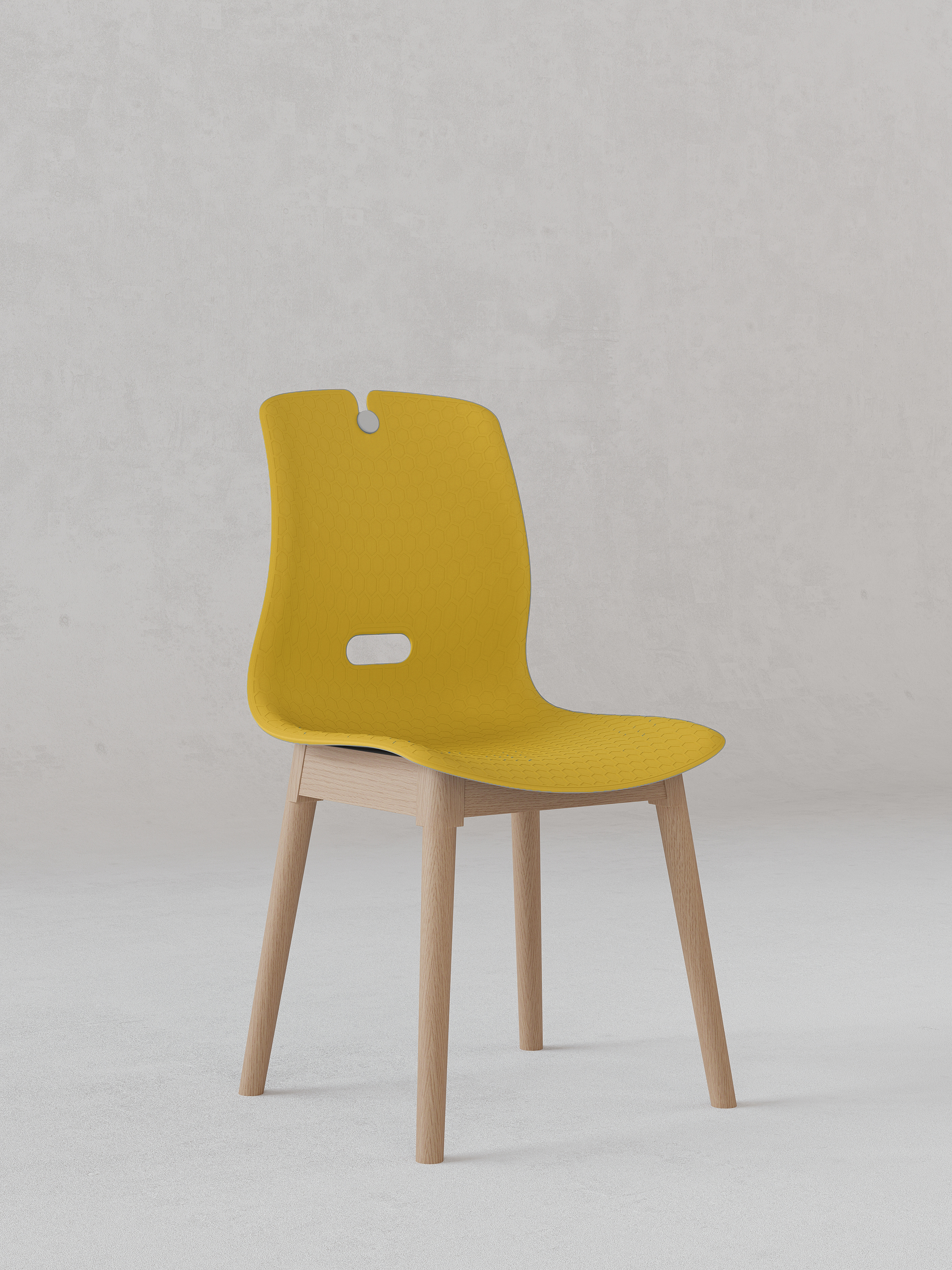
How to Evaluate the Quality of Reception Waiting Room Chairs

How to Evaluate the Quality of Reception Waiting Room Chairs

Evaluating the quality of reception waiting room chairs involves several practical steps:

Check Construction: Inspect the chair's frame and joints. Chairs made from solid wood or high-grade metal tend to be more durable than those made from particleboard or plastic.

Fabric and Finish: Evaluate the quality of the upholstery. High-quality fabrics should be stain-resistant and easy to clean. Additionally, check for uniform stitching and finishing, which can indicate better craftsmanship.

Comfort Testing: If possible, physically test the chairs. Sit in them to assess comfort levels, and ensure they provide adequate support. Pay attention to the seat cushioning and back support.

Warranty and Certifications: Review the warranty offered by the manufacturer. A longer warranty period often reflects the manufacturer's confidence in their product. Additionally, look for certifications related to safety and environmental standards, which signal a commitment to quality.

User Reviews: Research customer feedback and ratings. Insights from other businesses can reveal common issues or highlight advantages associated with specific chair models.
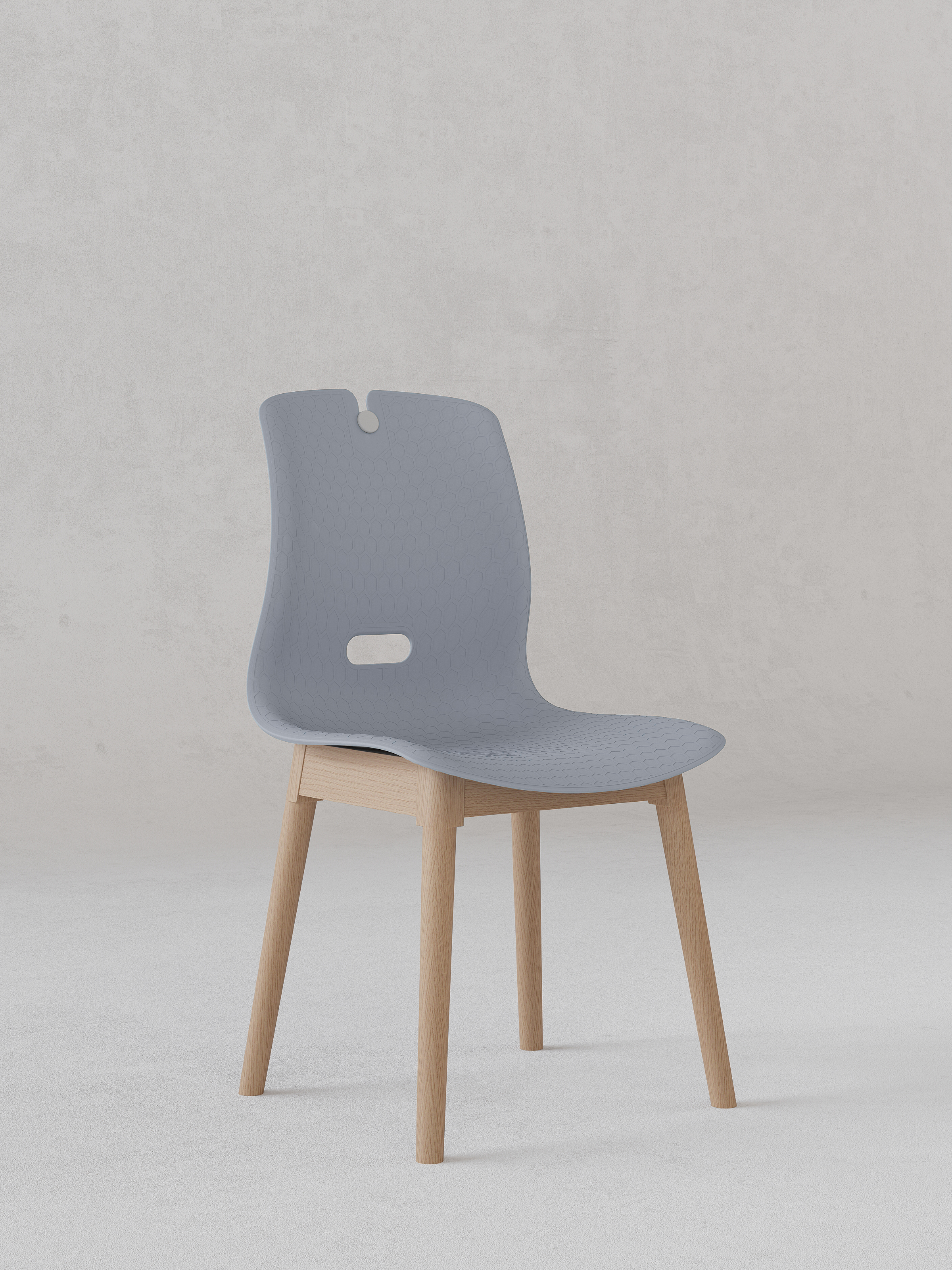
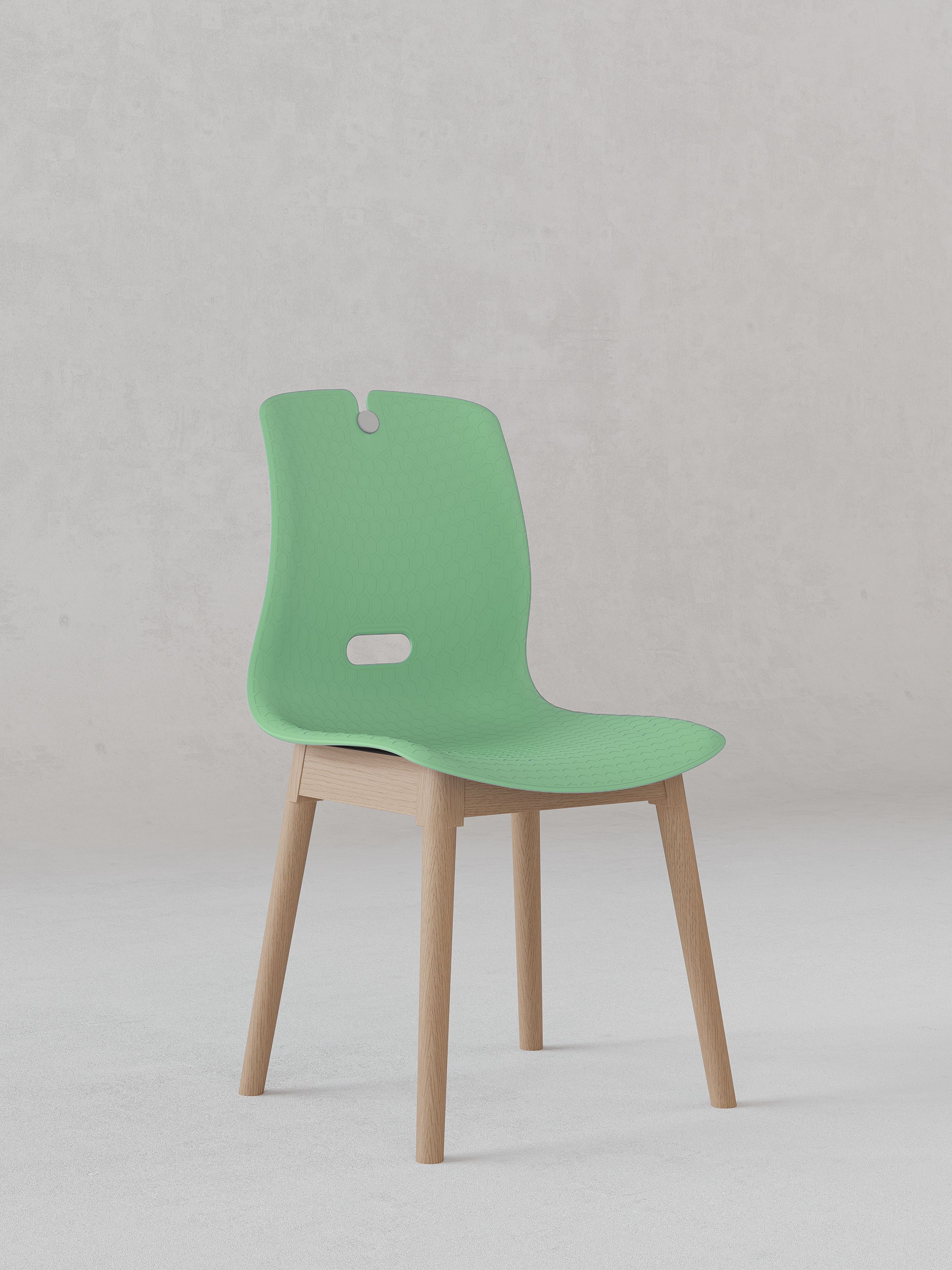
Cost Factors to Consider When Purchasing Reception Waiting Room Chairs

Cost Factors to Consider When Purchasing Reception Waiting Room Chairs

The cost of reception waiting room chairs can vary widely based on several factors:

Material Quality: Chairs made from premium materials such as leather or high-density foam will typically cost more than those made from basic fabrics or low-density foam.

Design Complexity: Custom designs or unique features, such as integrated charging ports or modular components, can increase the price significantly.

Brand Reputation: Established brands with a reputation for quality often command higher prices. However, this can provide peace of mind regarding durability and performance.

Order Quantity: Bulk purchases may qualify for discounts. It's essential to inquire about minimum order quantities (MOQ) and pricing structures when requesting quotes.

Shipping and Installation Costs: Consider additional costs such as shipping fees and potential installation charges. These can significantly affect the overall budget.

Installation Guidance for Reception Waiting Room Chairs in Commercial Spaces

Installation Guidance for Reception Waiting Room Chairs in Commercial Spaces

Proper installation is crucial for ensuring that reception waiting room chairs function effectively and meet safety standards. Here's a step-by-step guide:

Assess the Space: Measure the area where the chairs will be placed. Ensure there is adequate room for movement and that the arrangement allows for smooth traffic flow.

Prepare the Floor: Ensure that the floor is clean and level. If using carpet, consider the chair's legs to avoid sinking or instability.

Follow Manufacturer Instructions: Each chair may come with specific assembly instructions. Follow these carefully to ensure proper setup. If the chairs come with additional components, like armrests or tables, install these as instructed.

Safety Checks: After installation, conduct a safety check. Ensure that all screws and bolts are tight and that no parts are loose or misaligned, which could cause accidents.

Design Considerations: Arrange chairs to facilitate interaction and comfort. Groupings that promote conversation can enhance the waiting experience, while a linear arrangement may be more efficient in some spaces.

Common Problems with Reception Waiting Room Chairs and Their Solutions

Despite their importance, reception waiting room chairs can encounter several common issues:

Wear and Tear: Frequent use can lead to wear on fabric and cushioning. Regular maintenance, including cleaning and reupholstering, can prolong the life of the chairs.

Stability Issues: Chairs may become unstable over time. Regularly check the screws and joints for tightness. If instability persists, consider replacing worn-out parts or the entire chair.

Comfort Degradation: Over time, cushioning can flatten and lose support. Investing in high-quality, durable foam can help mitigate this issue. Additionally, consider rotating chairs periodically to ensure even wear.

Aesthetic Damage: Scratches and stains can detract from the appearance. Using appropriate cleaning agents and protective covers can help maintain the chairs' look.

User Complaints: If users consistently report discomfort, it may indicate a need to reevaluate the chair selection. Consider ergonomic options or consult with manufacturers for suitable replacements.

By understanding these specifications, evaluation methods, cost factors, installation guidance, and common problems, you can make informed decisions when selecting reception waiting room chairs for your business. The right choices will enhance your reception area, ensuring a welcoming and comfortable experience for your guests.

Key Specifications for High-Quality Reception Waiting Room Chairs

When selecting reception waiting room chairs, several specifications should be taken into account to ensure they meet both functional and aesthetic requirements. Key specifications include:

Material: Chairs can be constructed from various materials such as mesh, upholstery, or leather. Each material offers different levels of comfort, durability, and maintenance. For example, mesh chairs provide breathability and are often favored in warmer climates, while upholstered chairs may offer a more luxurious feel. If you're looking for a durable option, consider our Dining Table made from high-quality materials that ensure longevity.

Weight Capacity: It is crucial to verify the weight capacity of the chairs you are considering. High-quality reception chairs typically support a range between 250 to 400 pounds. This ensures safety and comfort for all users.

Dimensions: The dimensions of the chairs, including seat height, width, and depth, should match the intended space. Chairs that are too large may overcrowd a waiting area, while those that are too small may not provide adequate support.

Ergonomics: Ergonomically designed chairs promote better posture and comfort, which is vital in a waiting environment where guests may spend extended periods seated. Look for features like lumbar support and adjustable seat heights.

Aesthetic Appeal: The design and color of the chairs should align with the overall branding and decor of the reception area. Customization options can enhance the visual appeal and coherence of the space. Additionally, if you need seating that blends well with your decor, consider our Stackable Chair options for versatility.

Get a Free Quote

Our representative will contact you soon.
Name
Email
Company Name
Telephone
Message
0/1000
Attachment
Please upload at least an attachment
Up to 3 files, each no larger than 30MB. Supported formats: jpg, jpeg, png, pdf, doc, docx, xls, xlsx, csv, txt, stp, step, igs, x_t, dxf, prt, sldprt, sat, rar, zip.

Related product categories

High-Quality Reception Waiting Room Chairs Guide

Get a Free Quote

Our representative will contact you soon.
Name
Email
Company Name
Telephone
Message
0/1000
Attachment
Please upload at least an attachment
Up to 3 files, each no larger than 30MB. Supported formats: jpg, jpeg, png, pdf, doc, docx, xls, xlsx, csv, txt, stp, step, igs, x_t, dxf, prt, sldprt, sat, rar, zip.