Choosing the Right Metal Bar Stool for Your Needs

All Categories

metal bar stool

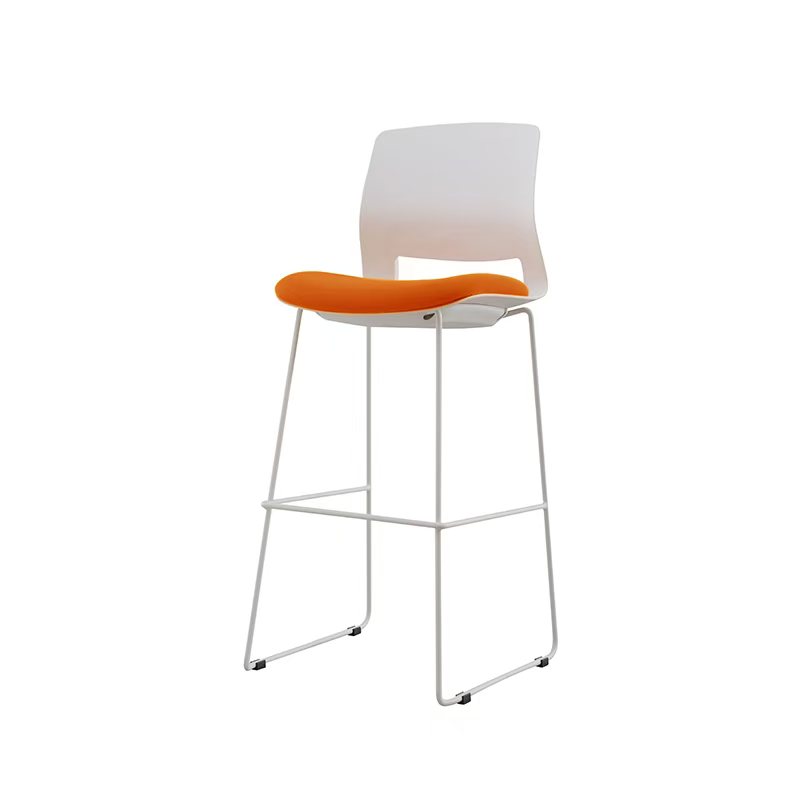
Metal bar stools are a versatile and stylish seating option often used in commercial settings such as cafes, restaurants, bars, and office break rooms. As a B2B buyer, selecting the right metal bar stool involves evaluating various factors, including durability, design, and functionality. This article will guide you through essential considerations when sourcing metal bar stools, common issues and their solutions, and the benefits of metal materials in manufacturing.
Where to Source Reliable Suppliers for Metal Bar Stools

Where to Source Reliable Suppliers for Metal Bar Stools

Finding trustworthy suppliers for metal bar stools is vital for ensuring quality and timely delivery. Here are steps to identify reliable sources:

Industry Directories: Utilize B2B marketplaces and industry directories to find manufacturers and suppliers specializing in commercial furniture. Websites like ThomasNet and Alibaba can provide a comprehensive list.

Trade Shows: Attend industry trade shows and exhibitions to meet with manufacturers and suppliers directly. This allows you to assess product quality, ask questions, and establish relationships.

Referrals and Reviews: Seek recommendations from industry peers or read online reviews. Feedback from other buyers can help gauge a supplier's reliability and product quality.

Quality Certifications: Check if suppliers hold any relevant certifications, such as ISO 9001, which indicates adherence to quality management standards. This can provide assurance of their manufacturing processes.

Sample Orders: Before committing to a large order, request samples. This allows you to evaluate craftsmanship, material quality, and suitability for your application.

By following these steps, you can establish a solid foundation for sourcing metal bar stools that meet your project's requirements.
Common Problems with Metal Bar Stools and Effective Solutions

Common Problems with Metal Bar Stools and Effective Solutions

Despite their durability, metal bar stools can encounter issues. Here are common problems and their solutions:

Rust and Corrosion: Metal stools, particularly those used outdoors, may develop rust over time. To combat this, ensure that the stools have a protective coating and regularly inspect them for signs of wear. Reapplying protective finishes can extend their lifespan.

Wobbly Legs: Over time, some metal stools may become unstable. Regularly check the screws and joints for tightness, and address any loose components immediately to prevent accidents.

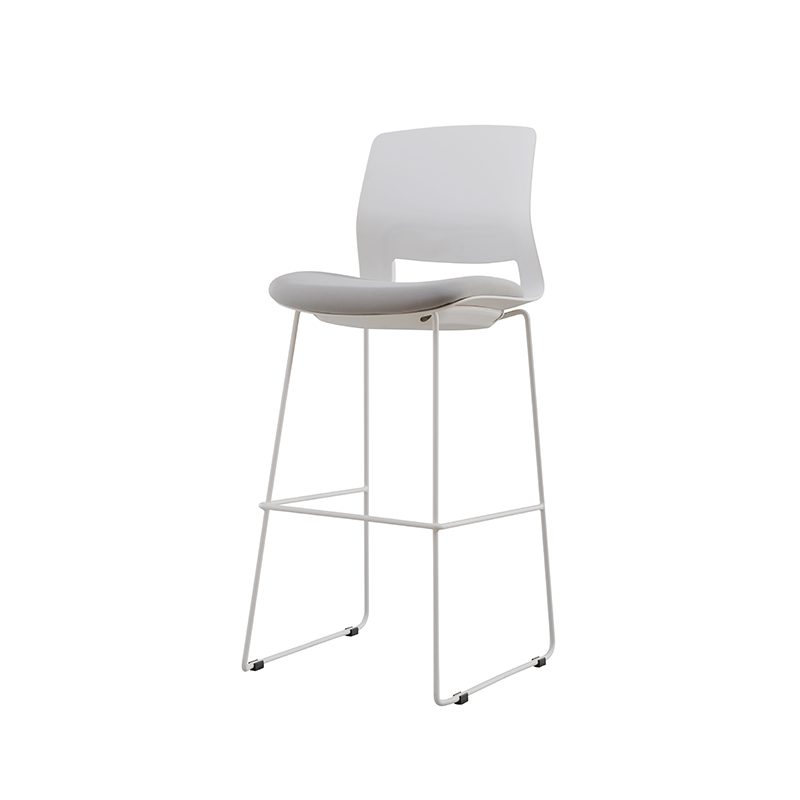
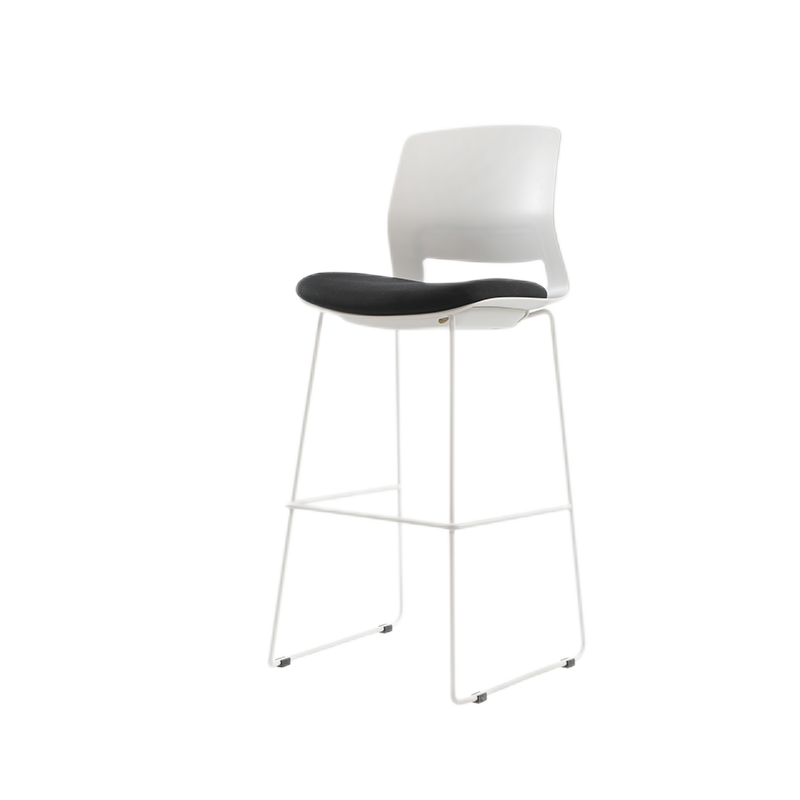
Scratches and Dents: Metal bar stools can get scratched or dented, especially in high-traffic areas. Opt for stools with a thicker gauge steel or those designed with protective caps on the bottom of the legs to minimize damage.

Comfort Issues: While metal stools are durable, they can lack cushioning, leading to discomfort during extended use. Consider pairing them with seat pads or selecting designs that incorporate ergonomic features.

By being proactive about maintenance and choosing designs that address these common issues, buyers can ensure long-term satisfaction with their metal bar stools.

Comparing Metal Bar Stool Designs for Optimal Functionality

Comparing Metal Bar Stool Designs for Optimal Functionality

When evaluating different metal bar stool designs, functionality plays a crucial role in their application. Here are aspects to consider:

Base Type: Metal bar stools come in various base designs, including four-legged, pedestal, and swivel bases. Four-legged designs offer stability, while swivel bases provide flexibility and ease of movement. Assess your space and usage needs to determine the best fit.

Footrests: Stools with integrated footrests enhance comfort, especially when seated for extended periods. Ensure the footrest height is appropriate for the stool and allows for proper leg positioning.

Armrests vs. Armless: Depending on the application, you may prefer stools with armrests for added comfort or armless designs for compact seating arrangements. Consider how the stools will be used in your space when making this choice.

Aesthetics: Different designs can significantly affect the visual appeal of your environment. Opt for styles that resonate with your brand and enhance the overall ambiance of your space.

By comparing these design features, you can select metal bar stools that provide optimal functionality while aligning with your project's aesthetic goals.

Benefits of Metal Materials in Bar Stool Manufacturing Quality

Metal is a preferred material for bar stool manufacturing due to several inherent advantages:

Durability: Metal bar stools are known for their strength and longevity. High-quality steel or aluminum can withstand heavy use, making them ideal for commercial environments where durability is paramount.

Ease of Maintenance: Metal surfaces are often easier to clean than wood or fabric. A simple wipe-down with a damp cloth is usually sufficient to remove stains, making them suitable for busy settings.

Versatility: Metal can be easily molded into various designs and finishes, allowing for a wide range of styles that can fit different décor themes. This versatility also extends to color options, with many manufacturers offering various powder-coated finishes.

Sustainability: Metal is a recyclable material, making it an environmentally friendly choice for manufacturers. Opting for sustainable materials can enhance your brand's credibility in today's eco-conscious market.

Cost-Effectiveness: While the initial investment may be higher than some alternatives, the longevity and durability of metal bar stools can lead to lower long-term costs, reducing the need for frequent replacements.

Understanding these benefits can assist buyers in making informed decisions about metal bar stools, ensuring they choose products that will meet their project needs effectively.

How to Choose the Right Metal Bar Stool for Your Project Needs

When selecting metal bar stools, consider the specific requirements of your project. Key factors include:

Height and Size: Ensure the stool height aligns with your counter or bar height. Standard bar stools are generally 28 to 32 inches tall, while counter stools range from 24 to 27 inches. Measure your space carefully to avoid mismatches.

Weight Capacity: Depending on where the stools will be used, check the weight capacity. Commercial environments may require stools that can support more weight to accommodate diverse clientele.

Design and Style: Metal bar stools come in various styles, including industrial, modern, and vintage. Choose a design that complements your overall decor to create a cohesive aesthetic. For example, the HL-670 Series Integrally Molded Fixed Backrest Training Chair is an excellent choice for a modern look.

Finish and Coating: Look for stools with finishes that resist rust and corrosion, especially if they will be exposed to moisture or high-traffic areas. Powder-coated finishes are often more durable and easier to maintain.

Stackability and Mobility: If you anticipate needing flexible seating arrangements, consider stools that are stackable or lightweight for easy storage and movement. The HL-651 Series Double-Back Lumbar Support Training Chair is a perfect example of a stackable option.

By addressing these factors, you can ensure that the metal bar stools you select will meet your functional and aesthetic requirements effectively.

Get a Free Quote

Our representative will contact you soon.
Name
Email
Company Name
Telephone
Message
0/1000
Attachment
Please upload at least an attachment
Up to 3 files, each no larger than 30MB. Supported formats: jpg, jpeg, png, pdf, doc, docx, xls, xlsx, csv, txt, stp, step, igs, x_t, dxf, prt, sldprt, sat, rar, zip.

Related product categories

Choosing the Right Metal Bar Stool for Your Needs

Get a Free Quote

Our representative will contact you soon.
Name
Email
Company Name
Telephone
Message
0/1000
Attachment
Please upload at least an attachment
Up to 3 files, each no larger than 30MB. Supported formats: jpg, jpeg, png, pdf, doc, docx, xls, xlsx, csv, txt, stp, step, igs, x_t, dxf, prt, sldprt, sat, rar, zip.