EN

Folding stacking chairs are versatile and efficient seating solutions widely used in various commercial settings, including offices, schools, and event venues. These chairs offer an excellent combination of convenience, durability, and cost-effectiveness, making them a popular choice for purchasing managers and facility planners. , we will explore practical considerations for sourcing folding stacking chairs, including supplier evaluation, cost factors, installation guidance, and diverse applications.
A Buyer's Guide
When purchasing folding stacking chairs, consider several key specifications that impact performance and suitability for your application:
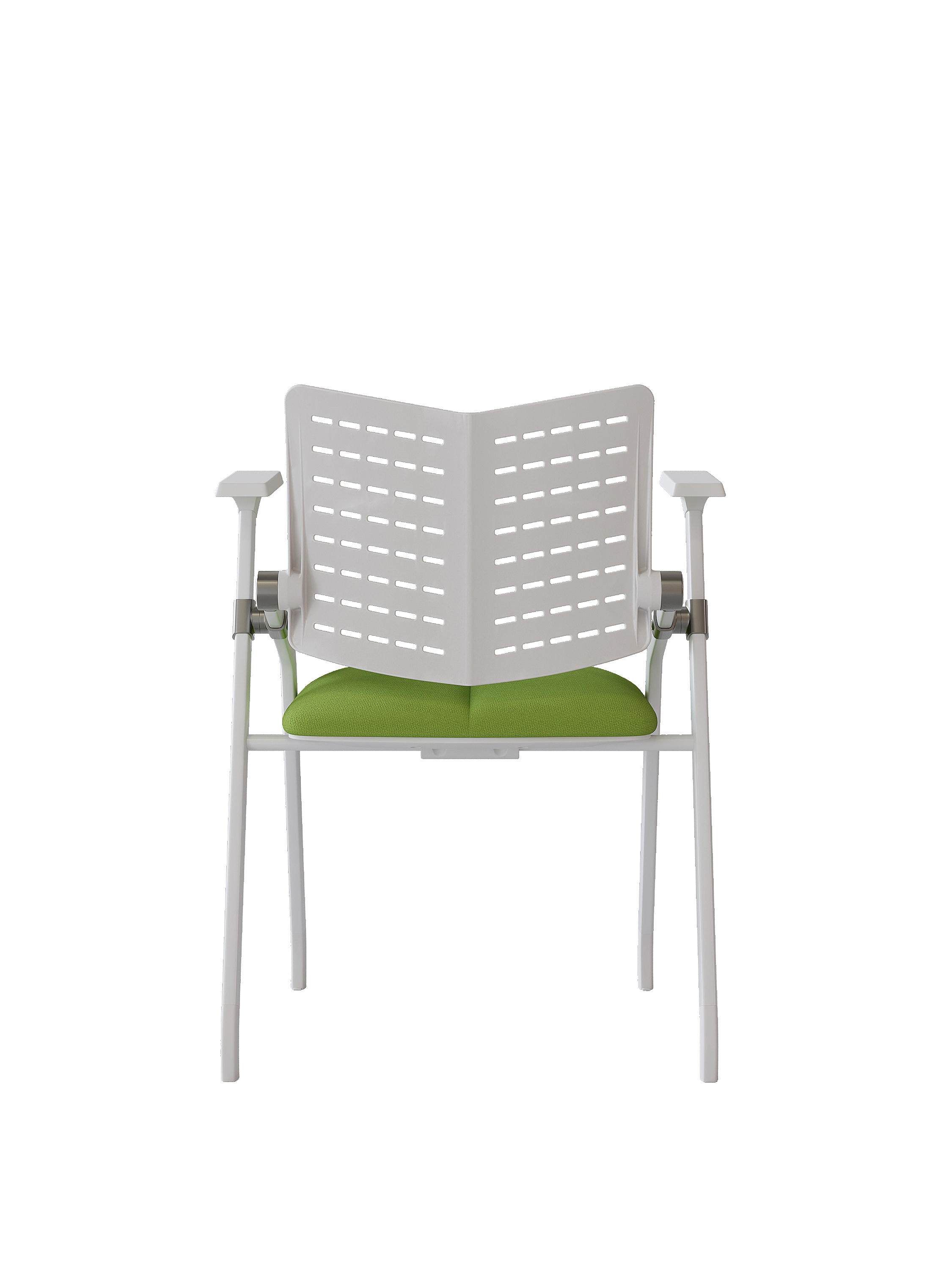
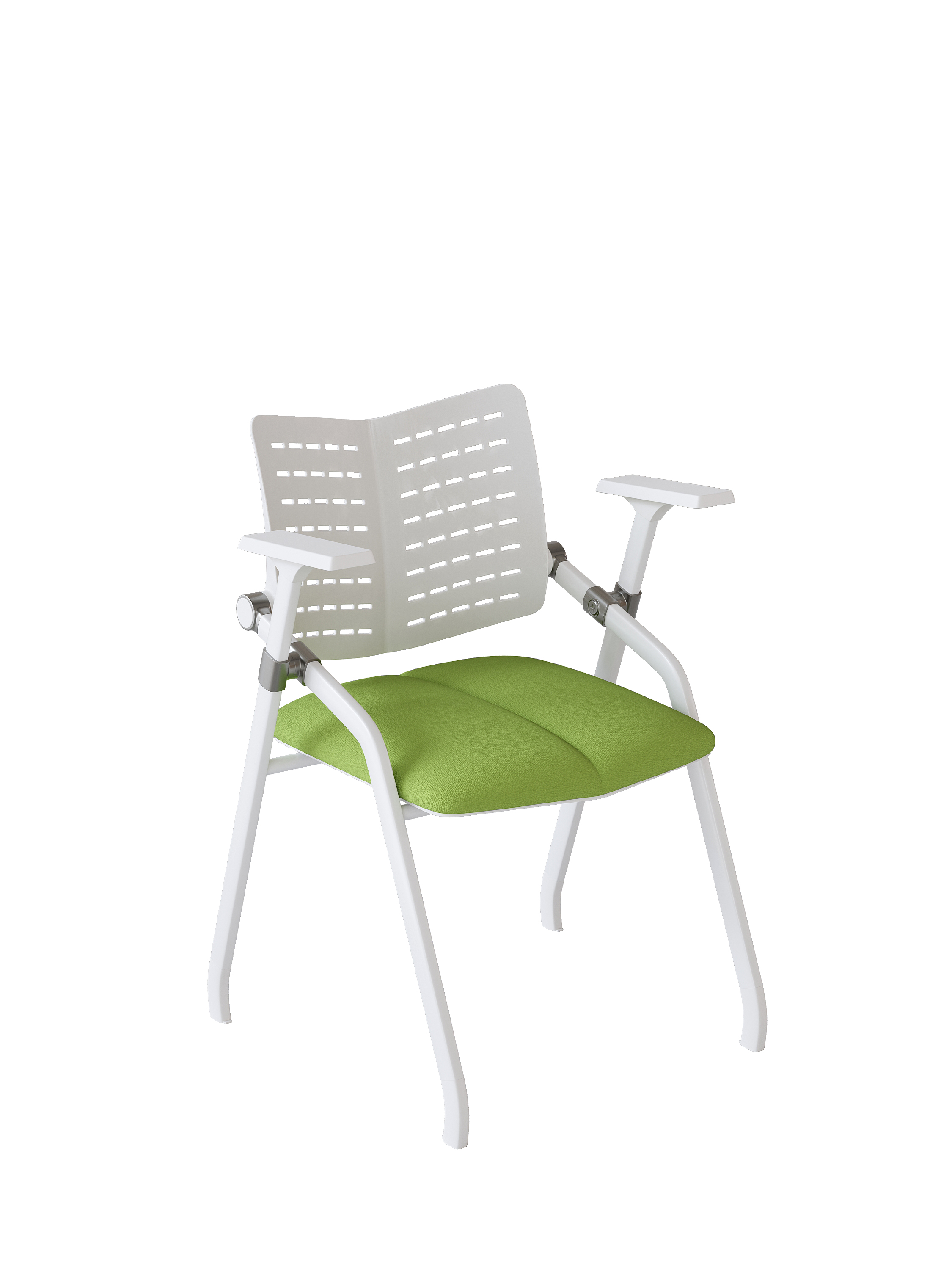
Material: Look for high-quality materials that balance durability and comfort. Common materials for folding chairs include metal frames with plastic or fabric seating surfaces. Ensure the material can withstand the expected usage conditions, such as humidity or frequent transport.
Weight Capacity: Check the manufacturer's stated weight capacity for the chairs. This is crucial for ensuring safety and usability in various settings.
Dimensions: Verify the dimensions of the chair, including seat height, depth, and width. This is particularly important for fitting into specific spaces or ensuring comfort for users of different sizes.
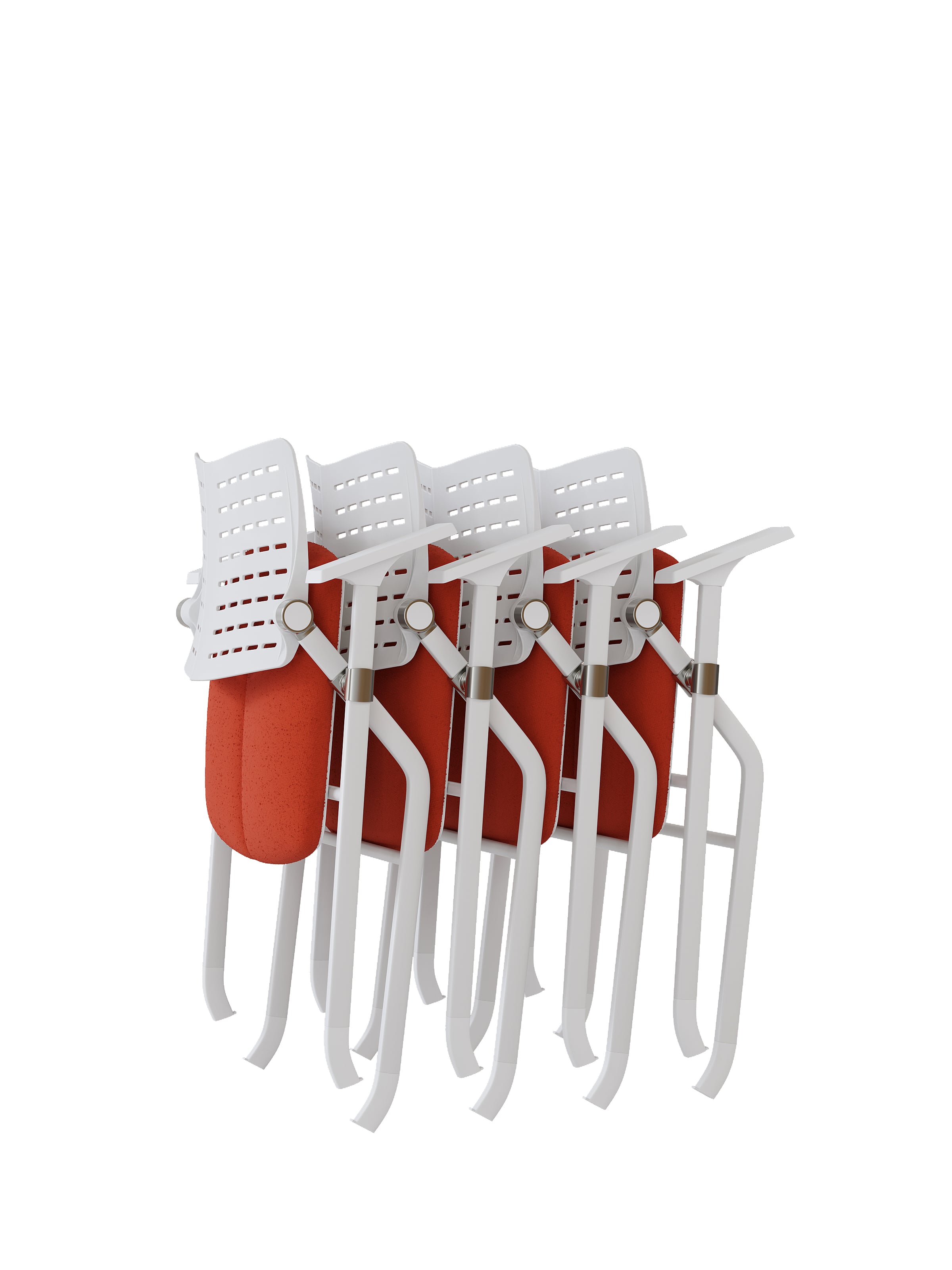
Stacking Ability: Understand how many chairs can be stacked together and the height of the stack. This impacts storage efficiency, especially in environments where space is limited. For example, the HL-670 Series Integrally Molded Fixed Backrest Training Chair is designed to be horizontally stackable for meeting, training, and classroom use.
Warranty and Support: Ensure that the supplier offers a warranty and after-sales support. This can be an indicator of the manufacturer's confidence in their product and their commitment to customer satisfaction.
By taking these factors into account, buyers can make informed decisions that align with their specific needs and operational requirements.