
Key Specifications for Indoor Stacking Chairs

All Categories

indoor stacking chairs

Indoor stacking chairs are a versatile solution for various commercial environments, including offices, schools, and hospitals. These chairs are designed for easy storage and transport, making them an ideal choice for spaces that require flexible seating arrangements. When sourcing indoor stacking chairs, B2B buyers often focus on key specifications, durability, and the supplier's reputation. This article will help you navigate the critical details surrounding indoor stacking chairs, from key specifications to sourcing reliable suppliers.
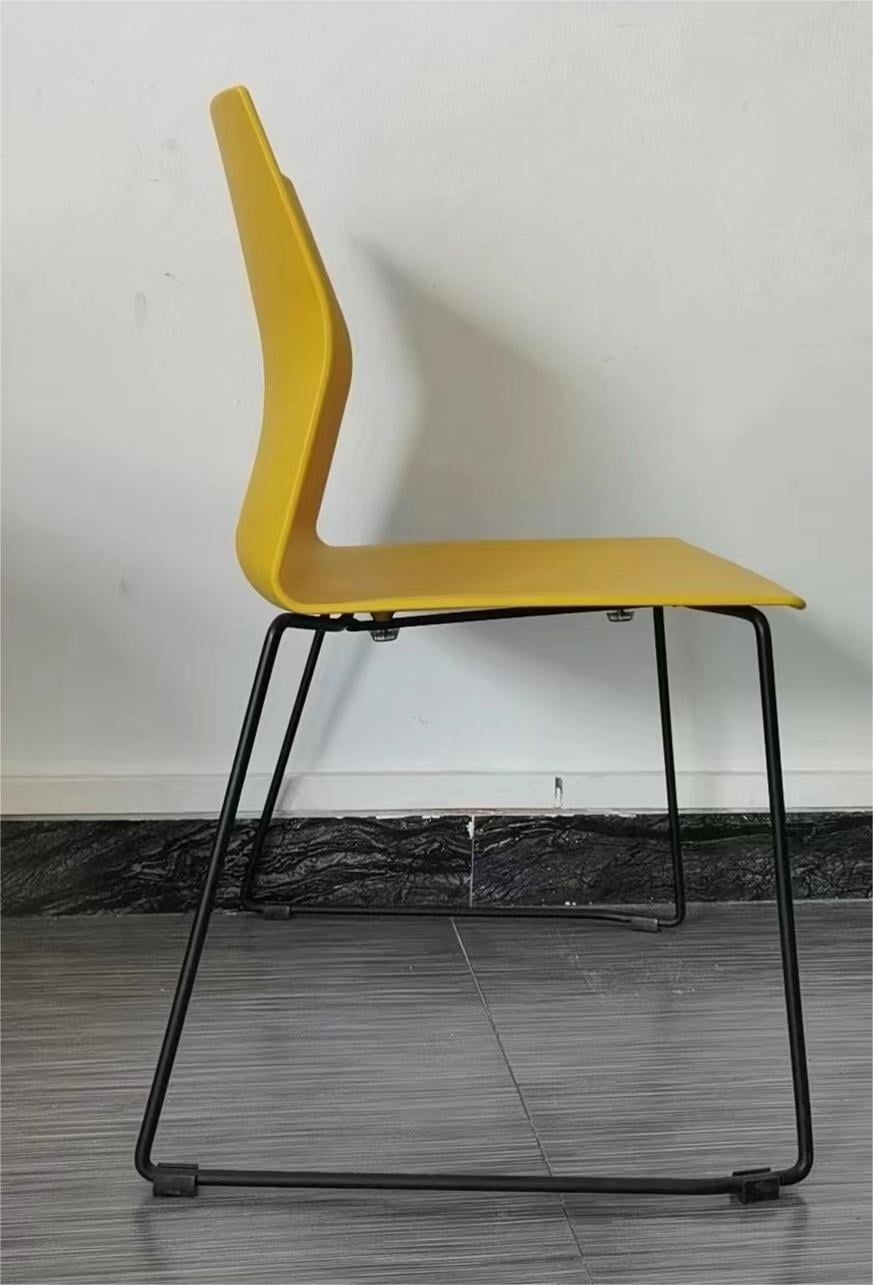
Indoor Stacking Chairs for Commercial Use

Indoor Stacking Chairs for Commercial Use

Indoor stacking chairs are widely utilized across various commercial settings due to their practicality and design flexibility. In offices, they are often used in conference rooms or training spaces where seating needs can change frequently. In schools, these chairs can facilitate group activities and presentations, making it easy to rearrange classroom layouts. For example, the HL-670 Series Integrally Molded Fixed Backrest Training Chair is a great option for such environments.

For healthcare facilities, stacking chairs are essential for waiting areas or multipurpose rooms where space is limited. Their durability and ease of cleaning make them ideal for environments that must maintain high hygiene standards. Additionally, their lightweight design allows for easy movement and reconfiguration of space as needed.

When selecting chairs for commercial use, consider the specific application and environment. For example, if chairs will be used outdoors or in high-traffic areas, opting for UV-resistant and durable materials can prolong the chair's lifespan.
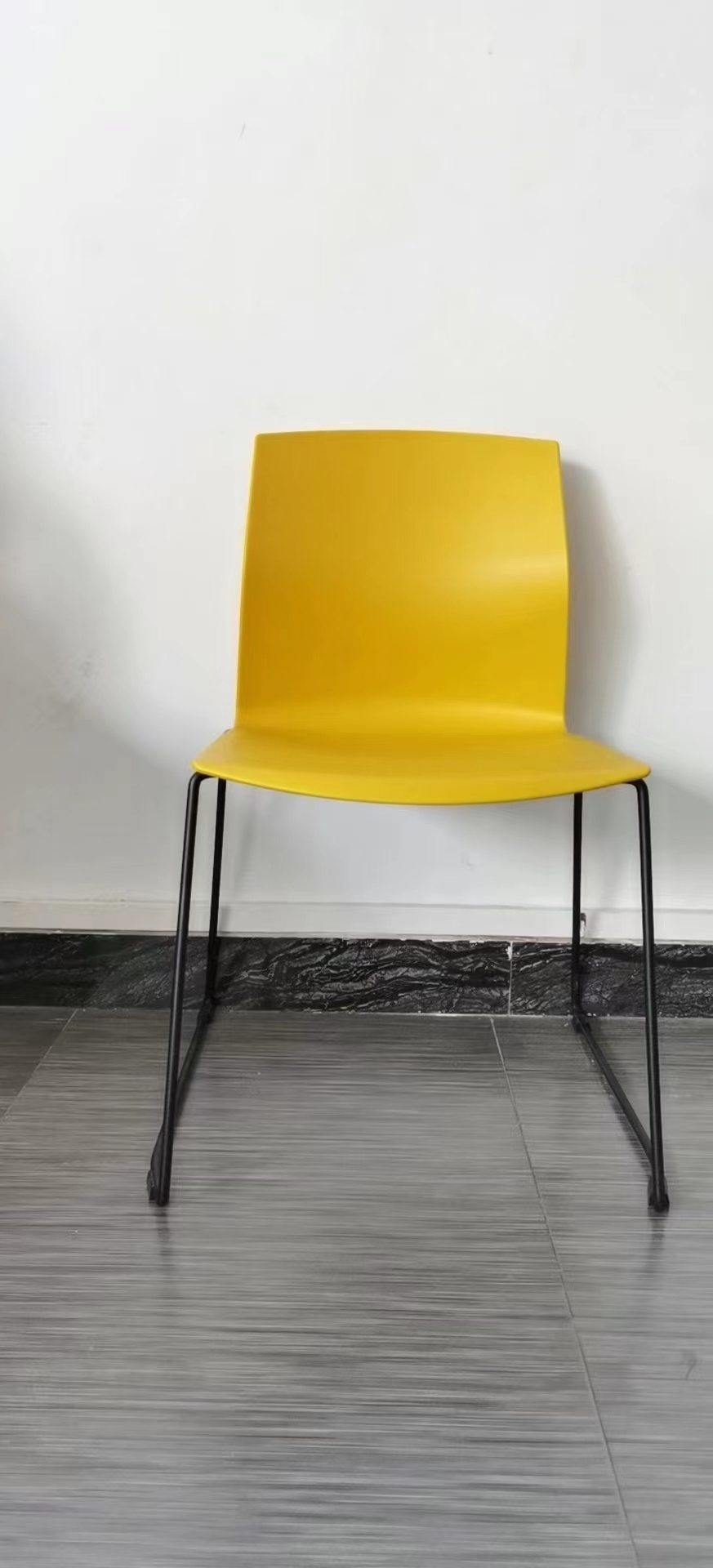
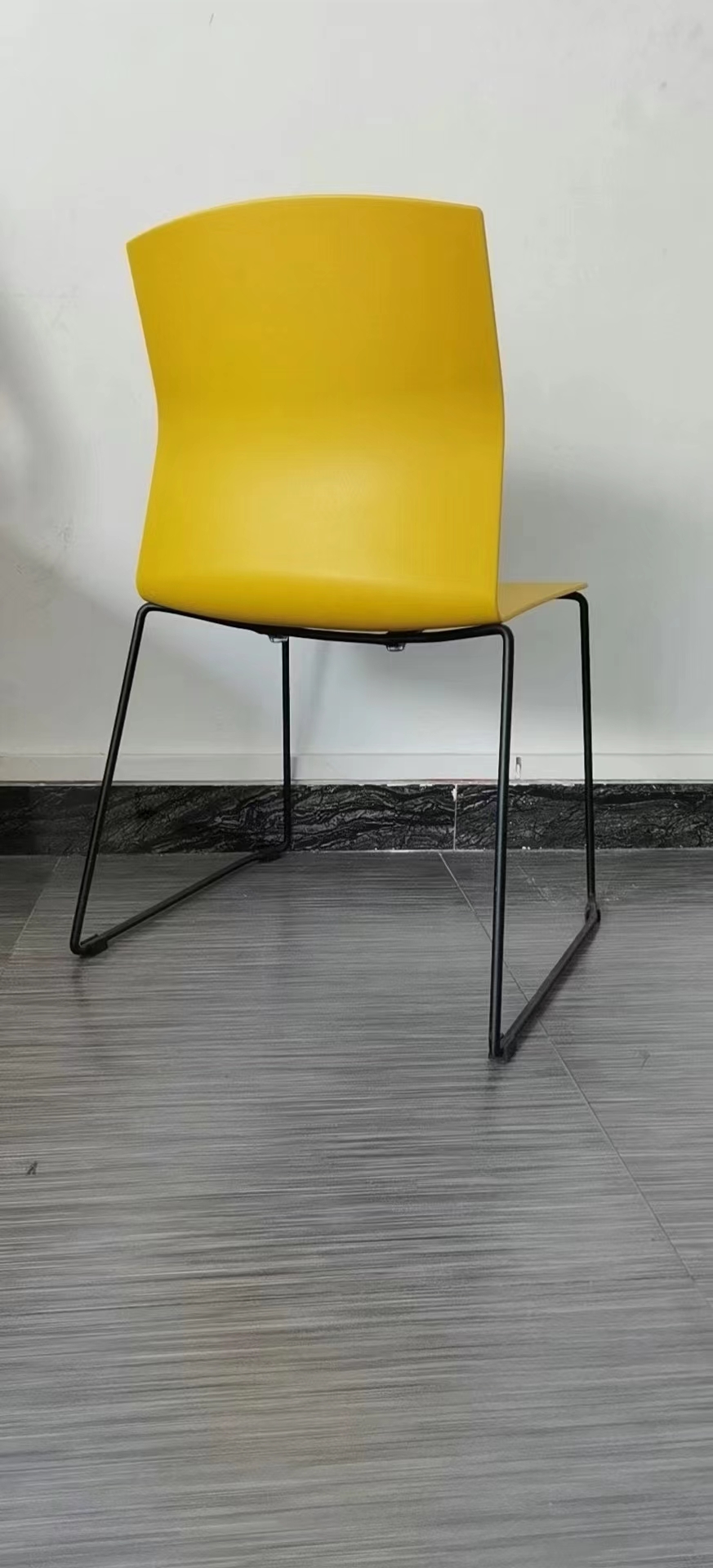
Where to Source Reliable Suppliers for Indoor Stacking Chairs

Where to Source Reliable Suppliers for Indoor Stacking Chairs

Finding a trustworthy supplier for indoor stacking chairs is crucial for ensuring product quality and timely delivery. Here are a few tips for sourcing reliable suppliers:

Industry Reputation: Research suppliers with a solid reputation in the furniture manufacturing industry. Look for customer reviews, testimonials, and case studies that highlight their experience and service quality.

Manufacturing Capabilities: Evaluate suppliers based on their manufacturing capabilities and quality control processes. A supplier with in-house design and precision production, like DESTON FURNITURE, is likely to uphold consistent quality standards.

Customization Options: Many businesses require specific colors or logos on their furniture. Suppliers that offer customization can better meet your branding and aesthetic needs. For instance, consider options like the HL-650 Series Double-Back Hollow Lumbar Support Folding Training Chair for tailored solutions.

Minimum Order Quantity (MOQ): Check the supplier's MOQ, as this may vary significantly. Some suppliers may allow small orders, while others may have higher thresholds.

Lead Times: Understanding lead times is essential for project planning. Ask suppliers about their production schedules and delivery timelines to ensure they align with your needs.

By focusing on these criteria, buyers can establish a reliable partnership with suppliers that enhances their purchasing experience.

Common Problems with Indoor Stacking Chairs and Effective Solutions

Common Problems with Indoor Stacking Chairs and Effective Solutions

While indoor stacking chairs offer numerous benefits, there are common issues buyers may encounter:

Durability Concerns: Over time, stacking can lead to wear on the chair's frame and joints. To mitigate this, choose chairs designed for frequent stacking and ensure they are made from high-quality materials. Regular inspections can help identify wear before it becomes a major issue.

Stability Issues: If chairs wobble or tip easily, it can create safety hazards. Buyers should confirm weight capacity and check for stability features, such as reinforced legs or anti-slip feet, to enhance safety.

Comfort Level: Some users may find stacking chairs uncomfortable for prolonged use. Consider opting for chairs with padded seats or ergonomic designs that cater to extended sitting periods.

Storage Challenges: Not all stacking chairs are designed to stack efficiently. Before purchase, test the stacking capability to ensure they fit well in your designated storage space.

Addressing these issues proactively can lead to better satisfaction and usability of indoor stacking chairs in your commercial settings.

Installation Guidance for Indoor Stacking Chairs in Various Settings

Installing indoor stacking chairs is generally straightforward, but there are specific considerations for different environments:

Office Spaces: In offices, ensure that chairs are set at appropriate heights relative to desks and tables. Frequent rearrangement may require training staff on how to stack and store chairs properly to maintain office organization.

Educational Institutions: For schools, consider using a designated area for chair storage. Clear signage can assist staff and students in understanding how to stack chairs safely and efficiently.

Healthcare Facilities: In healthcare settings, installation should prioritize hygiene. Ensure that chairs are easy to clean and that any upholstery can withstand regular disinfecting without damage.

Event Spaces: For venues that host events, having a plan for quick setup and teardown is essential. A dedicated team should be trained in the proper stacking and unstacking procedures to minimize wear and prevent accidents.

By keeping these installation considerations in mind, businesses can ensure their indoor stacking chairs serve their intended purpose effectively and maintain a tidy, functional environment.

Key Specifications for Wholesale Indoor Stacking Chairs

When evaluating indoor stacking chairs for wholesale purchase, buyers should pay attention to several key specifications:

Material Composition: Common materials include high-density polyethylene, metal frames, and upholstery fabrics. The choice of material affects durability, weight capacity, and ease of maintenance. For instance, chairs with metal frames often offer better stability and longevity.

Weight Capacity: Most stacking chairs have a standard weight capacity ranging from 250 to 300 pounds. It is crucial to verify this specification to ensure the chairs meet the needs of your intended user base.

Dimensions: Seat height, width, and depth are essential for user comfort. A standard seat height typically ranges from 18 to 20 inches, while the width may vary between 18 to 22 inches. Always confirm dimensions to ensure compatibility with your space.

Stacking Height: The number of chairs that can be stacked safely without compromising stability is important. Most indoor stacking chairs can stack between 5 to 10 units high, which helps save storage space.

Certifications: Look for industry certifications like BIFMA (Business and Institutional Furniture Manufacturers Association) that indicate the chair has undergone rigorous testing for safety and performance.

By understanding these specifications, buyers can make informed decisions that align with their functional requirements and budget.

Get a Free Quote

Our representative will contact you soon.
Name
Email
Company Name
Telephone
Message
0/1000
Attachment
Please upload at least an attachment
Up to 3 files, each no larger than 30MB. Supported formats: jpg, jpeg, png, pdf, doc, docx, xls, xlsx, csv, txt, stp, step, igs, x_t, dxf, prt, sldprt, sat, rar, zip.

Related product categories

Key Specifications for Indoor Stacking Chairs

Get a Free Quote

Our representative will contact you soon.
Name
Email
Company Name
Telephone
Message
0/1000
Attachment
Please upload at least an attachment
Up to 3 files, each no larger than 30MB. Supported formats: jpg, jpeg, png, pdf, doc, docx, xls, xlsx, csv, txt, stp, step, igs, x_t, dxf, prt, sldprt, sat, rar, zip.