
Choosing Chair No Wheels for Your Office

All Categories

chair no wheels

Choosing the right office furniture is crucial for creating a comfortable and productive work environment. One popular option is the chair no wheels, which offers stability and support without the mobility of traditional office chairs. When selecting a chair without wheels, B2B buyers must consider several factors, including durability, application suitability, and cost-effectiveness. This article will help you understand what to look for when purchasing chair no wheels, ensuring that you make an informed decision for your office or commercial space.
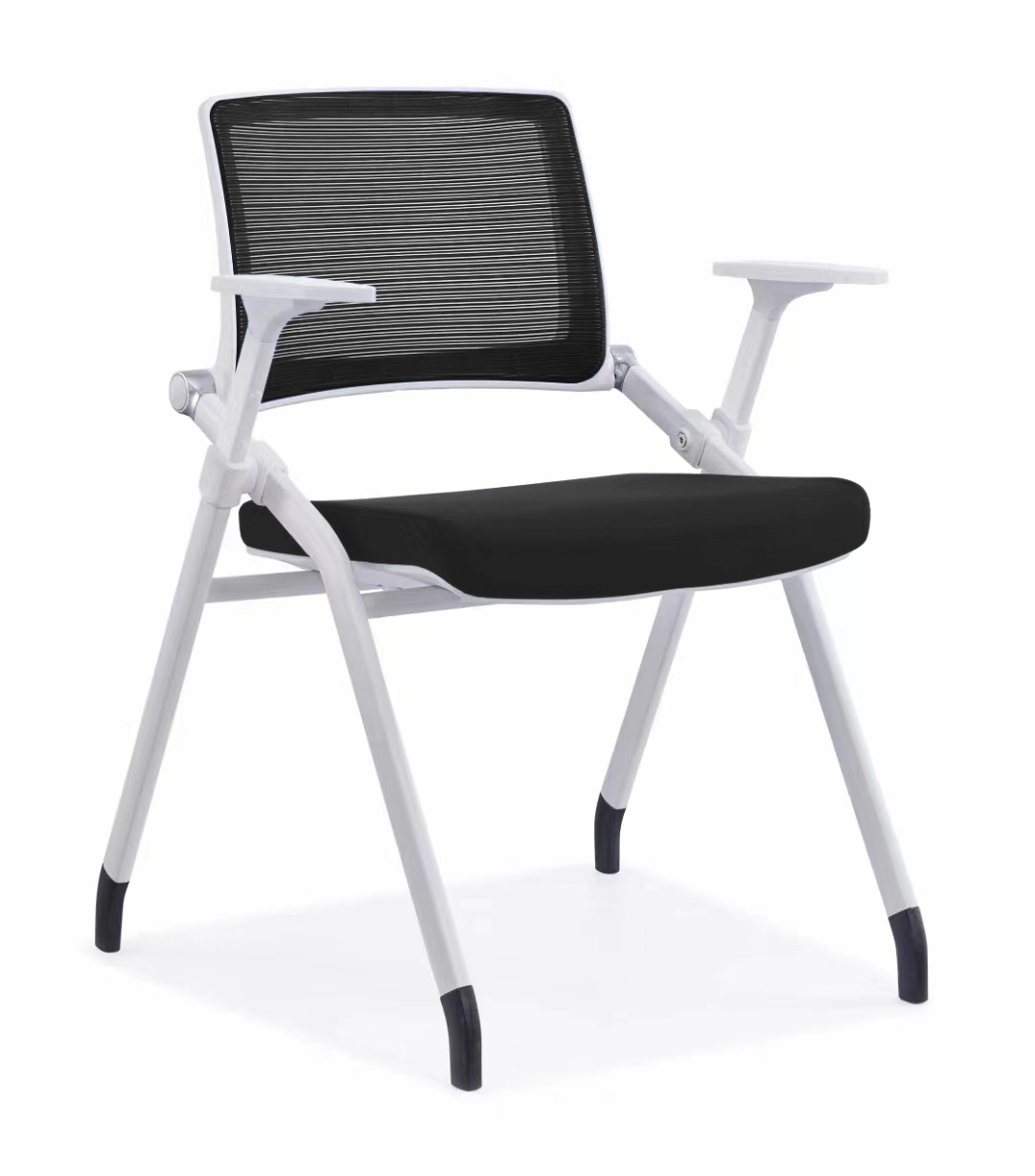
Key Specifications for Chair No Wheels in Commercial Settings

Key Specifications for Chair No Wheels in Commercial Settings

When evaluating chair no wheels, specific specifications play a significant role in their functionality and suitability for various environments. Key specifications to consider include:

Dimensions: The chair's height, width, and depth should match the ergonomic requirements for your users. Standard seat height generally ranges from 16 to 20 inches, but customization may be necessary for specific users.

Weight: A heavier chair may provide more stability, while a lighter option is easier to move, even without wheels.

Material Specifications: Consider the type of material used for the frame and upholstery. Metal frames often provide enhanced durability, while foam or gel cushioning can improve comfort. A Foldable Chair can also be a versatile option for spaces that require flexibility.

Certification Standards: Look for products that meet industry standards for safety and quality, such as BIFMA (Business and Institutional Furniture Manufacturers Association) certification. This ensures that the chair has undergone rigorous testing for performance and safety.
Cost Factors to Consider for Chair No Wheels Purchases

Cost Factors to Consider for Chair No Wheels Purchases

Understanding the cost factors associated with chair no wheels can help you make a more informed purchasing decision. Key considerations include:

Material Quality: Higher-quality materials typically come at a higher price point. Investing in durable materials can lead to long-term savings by reducing the need for replacements.

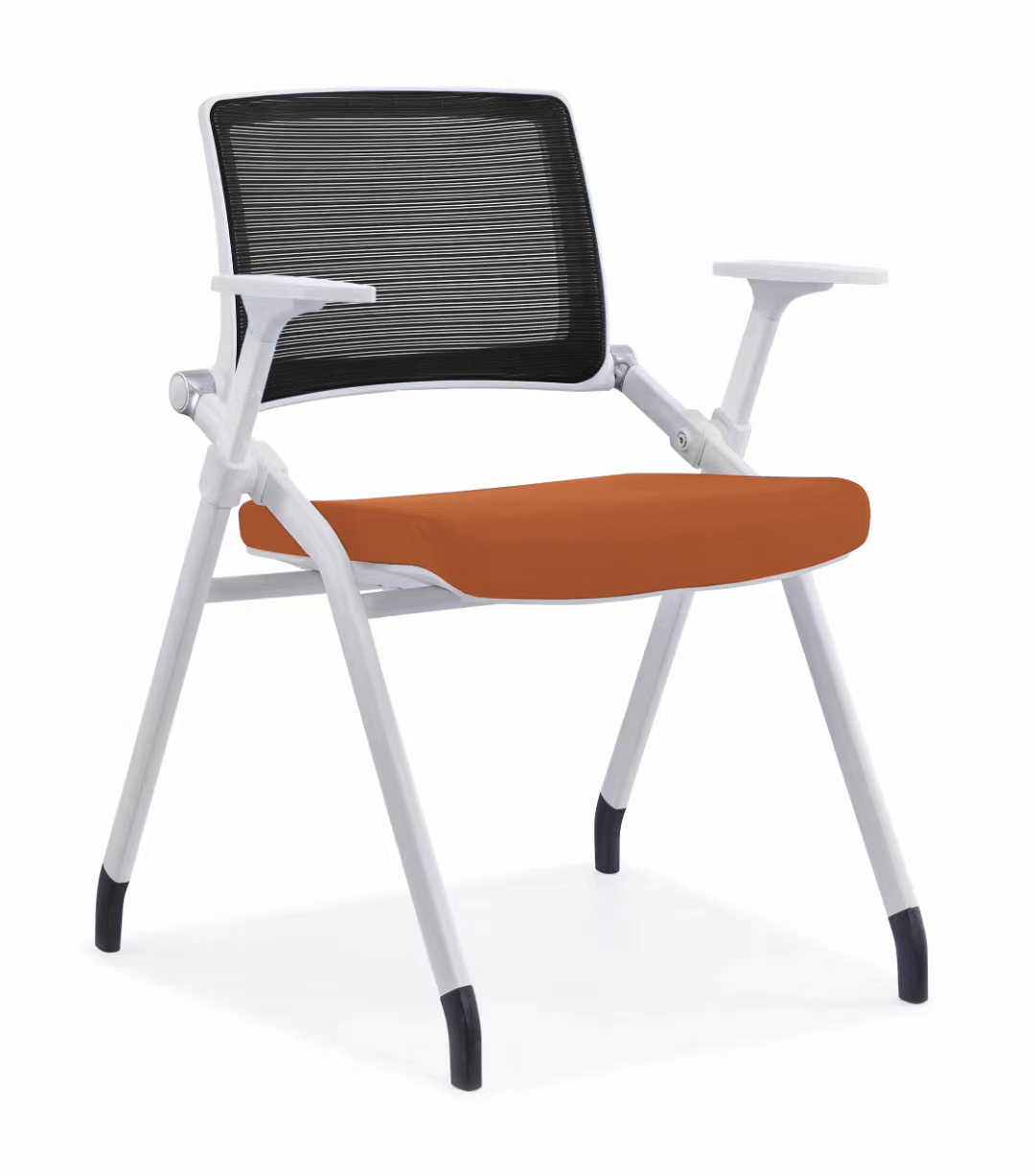
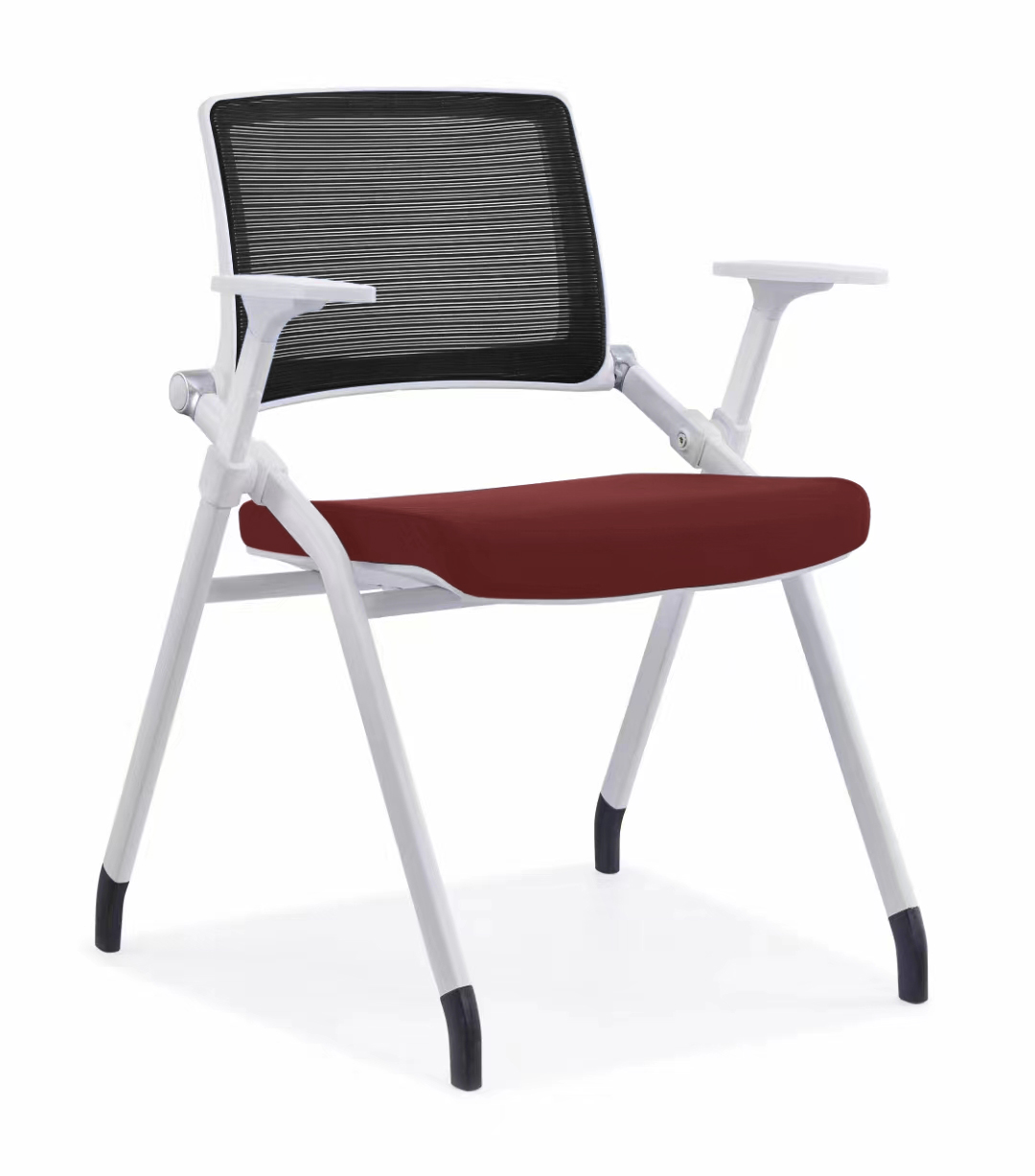
Customization Options: Custom features, such as specific colors, materials, or ergonomic adjustments, may increase costs. It’s crucial to balance your budget with the necessity for these features based on your office needs.

Bulk Purchasing Discounts: If you're outfitting an entire office or multiple locations, inquire about bulk purchasing discounts. Many manufacturers, including DESTON FURNITURE, offer competitive pricing for large orders.

Shipping and Delivery Costs: Factor in the logistics of getting the chairs to your location. Shipping costs can vary based on distance, delivery speed, and the vendor's terms.

Warranty and Service Agreements: Evaluate the warranty period offered by the manufacturer. Longer warranties can indicate a commitment to quality and may save you money in the long run if issues arise.

Applications of Chair No Wheels in Various Industries

Applications of Chair No Wheels in Various Industries

Chair no wheels can be utilized across different sectors due to their versatility. Some common applications include:

Educational Facilities: In classrooms and lecture halls, chairs without wheels provide stability for students and teachers alike, allowing for focused learning without distractions.

Healthcare Settings: In hospitals and clinics, these chairs offer easy access for patients while ensuring stability during consultations or treatment sessions.

Corporate Offices: Many companies use fixed chairs in conference rooms and meeting areas to promote a more formal setting. The absence of wheels minimizes movement and encourages focus during discussions.

Public Spaces: In places like libraries or waiting areas, chair no wheels can provide comfort while maintaining an organized appearance, as they reduce the risk of movement that could disrupt the environment.

Common Problems with Chair No Wheels and Their Solutions

While chair no wheels can offer many advantages, they also come with potential challenges. Here are some common problems and their solutions:

Limited Mobility: Without wheels, users may find it difficult to move the chair when they need to access different areas of their workspace. To mitigate this, consider integrating a lightweight design or strategically placing chairs close to frequently used areas.

Wear and Tear: Over time, the upholstery and cushioning can wear down, compromising comfort. Regularly inspect chairs for signs of wear and consider a maintenance schedule to address any issues before they become significant problems.

Incompatibility with Desks: Ensure that the chair height is compatible with your desks to avoid discomfort. If the chair is too low or high, users may experience strain. Adjustable options can help accommodate different users or desk heights.

Stability Issues: If chairs wobble due to uneven flooring, consider adding adjustable glides or leveling feet. This can enhance stability and make for a safer seating experience.

By keeping these considerations in mind, you can ensure that your selection of chair no wheels not only meets the functional requirements of your space but also supports the comfort and productivity of your users.

Investing in quality chairs from a reputable manufacturer like DESTON FURNITURE can lead to a more efficient and pleasant work environment, ultimately enhancing overall workplace satisfaction.

What to Consider When Choosing Chair No Wheels for Your Office

When selecting a chair no wheels, start by evaluating the specific needs of your workspace. Consider the following factors:

User Comfort: Ergonomics is key in any seating arrangement. Look for chairs that offer adequate lumbar support, adjustable height options, and comfortable seating materials. Mesh fabric is a popular choice due to its breathability and comfort during long working hours.

Material Durability: The longevity of your chair is directly related to the materials used in its construction. High-quality metals and durable plastics can withstand daily use in commercial environments. Additionally, upholstery should be easy to clean and resistant to stains, especially in settings like schools or healthcare facilities.

Design and Aesthetics: The design of your chair should align with the overall aesthetic of your office. Whether you prefer a modern look or classic designs, ensure the chair complements your existing furniture. For instance, a Dining Table might be a great addition to your space, harmonizing with the chair's style.

Weight Capacity: It’s essential to verify the weight capacity of the chair no wheels to ensure it accommodates all potential users safely.

Space Considerations: Without wheels, mobility is limited, so consider the layout of your office space. Ensure that the chair fits comfortably within your designated area and allows for easy movement when users need to stand up or adjust their workstations.

Get a Free Quote

Our representative will contact you soon.
Name
Email
Company Name
Telephone
Message
0/1000
Attachment
Please upload at least an attachment
Up to 3 files, each no larger than 30MB. Supported formats: jpg, jpeg, png, pdf, doc, docx, xls, xlsx, csv, txt, stp, step, igs, x_t, dxf, prt, sldprt, sat, rar, zip.

Related product categories

Choosing Chair No Wheels for Your Office

Get a Free Quote

Our representative will contact you soon.
Name
Email
Company Name
Telephone
Message
0/1000
Attachment
Please upload at least an attachment
Up to 3 files, each no larger than 30MB. Supported formats: jpg, jpeg, png, pdf, doc, docx, xls, xlsx, csv, txt, stp, step, igs, x_t, dxf, prt, sldprt, sat, rar, zip.