
Stackable Conference Chairs: Specifications & Sourcing

All Categories

stackable conference chair

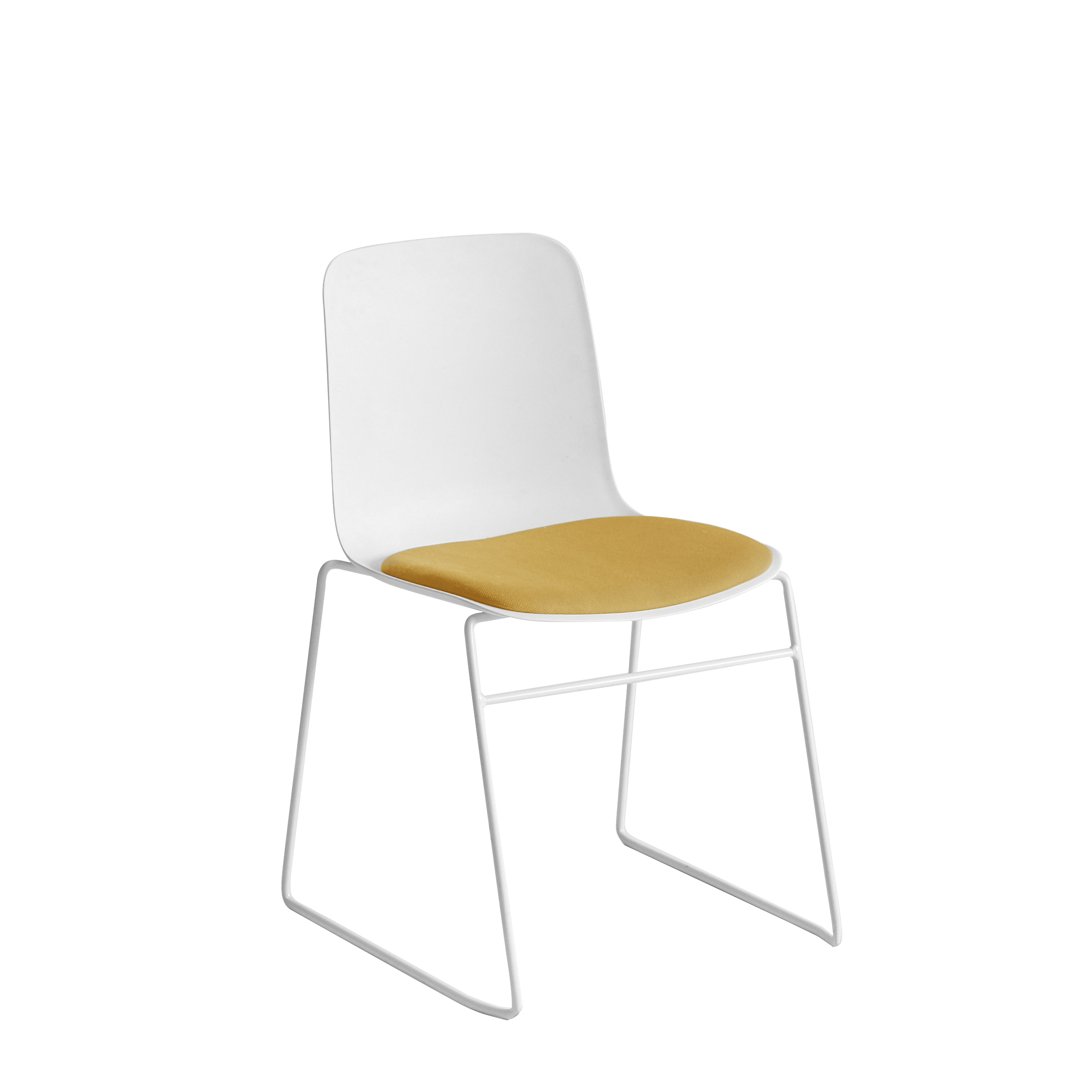
Stackable conference chairs are versatile seating solutions designed for easy storage and transportation, making them ideal for dynamic environments like offices, schools, and event spaces. For purchasing managers and product managers, understanding the specifications, sourcing options, and cost factors is crucial for making informed decisions. This article will explore the key aspects of stackable conference chairs, including their specifications, supplier sourcing, cost considerations, common issues, and suitable applications.
Where to Source Reliable Suppliers for Stackable Conference Chairs

Where to Source Reliable Suppliers for Stackable Conference Chairs

Sourcing reliable suppliers for stackable conference chairs involves several steps to ensure quality and dependability. Consider the following tips:

Industry Directories and Trade Shows: Utilize industry directories like ThomasNet or attend trade shows to connect with manufacturers and suppliers. This allows for direct interaction, enabling buyers to assess product quality and supplier reliability.

Online Marketplaces: Platforms such as Alibaba and Global Sources can be useful for finding a wide range of manufacturers. However, thorough vetting is necessary. Check supplier ratings, reviews, and request samples before placing larger orders.

Local Manufacturers: Depending on your location, local manufacturers may offer advantages in terms of shipping costs and lead times. They may also provide opportunities for customization and direct communication.

References and Testimonials: Request references from potential suppliers to gauge their reliability and product quality. Testimonials from previous clients can provide insights into the supplier’s performance and customer service.
Understanding the Cost Factors of Stackable Conference Chairs in Wholesale

Understanding the Cost Factors of Stackable Conference Chairs in Wholesale

The cost of stackable conference chairs can vary widely based on several factors:

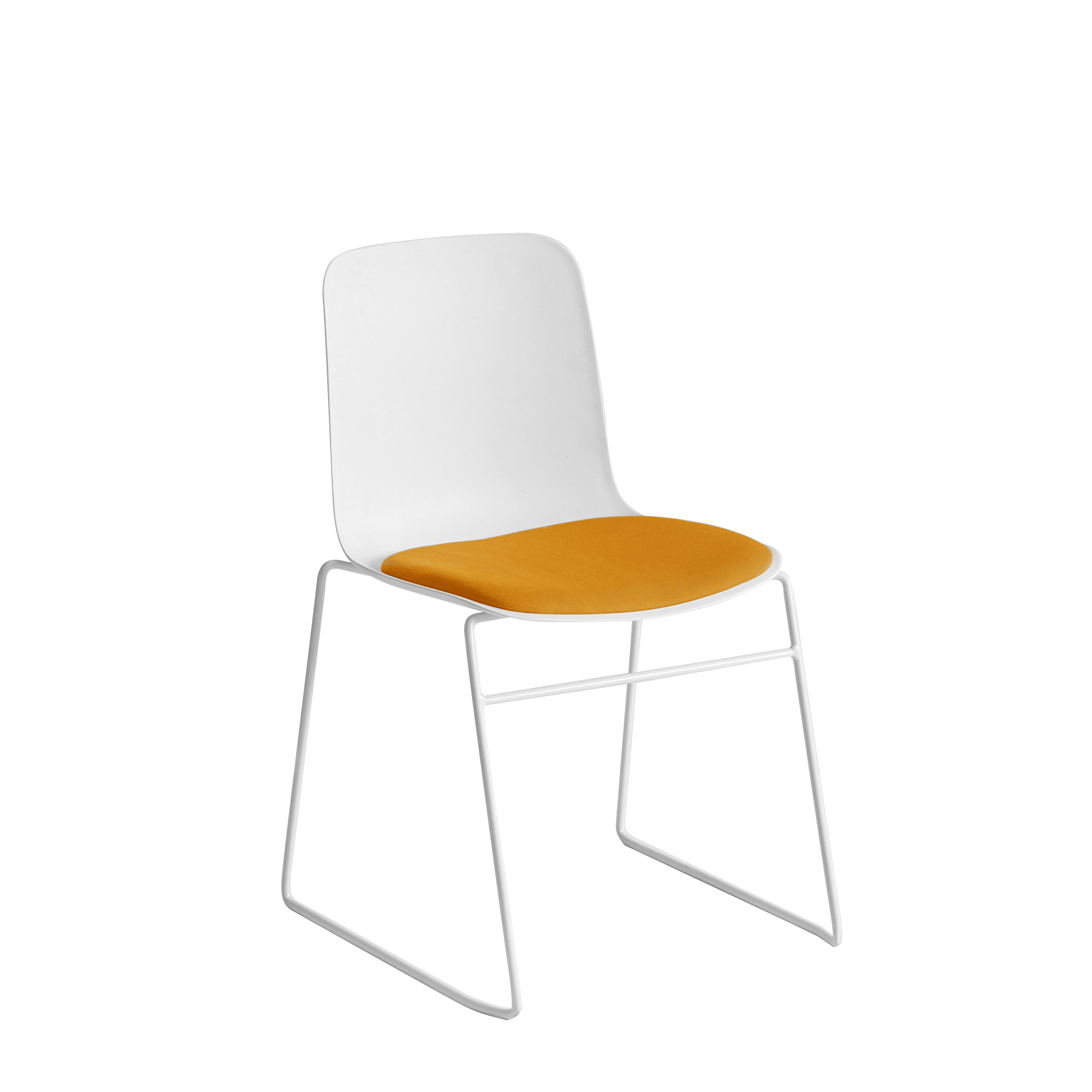
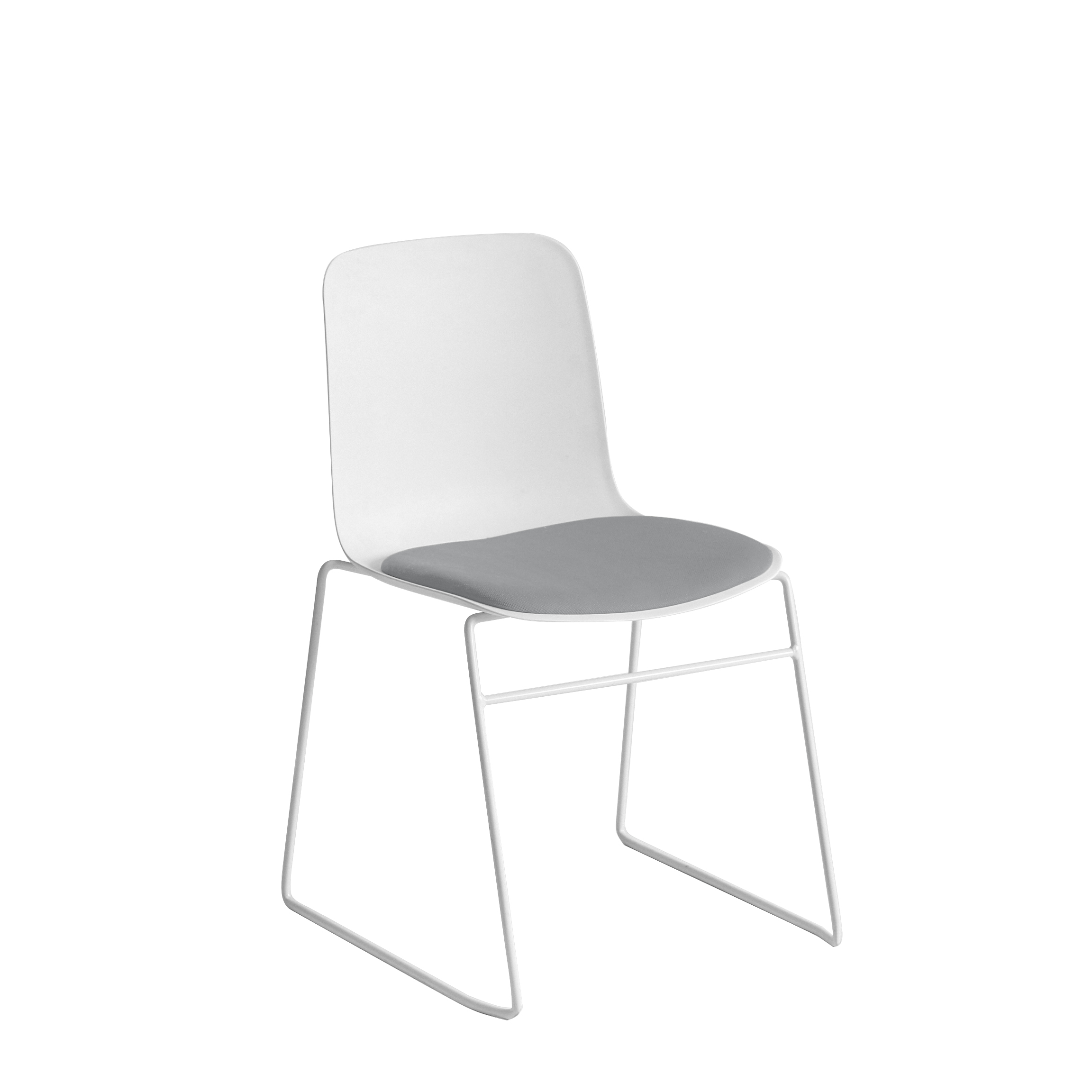
Material Selection: The choice of materials significantly impacts the price. Chairs with metal frames and higher-quality upholstery will typically cost more than those made with plastic or lower-grade materials. For example, investing in a Dining Table alongside chairs can provide a cohesive look for your space.

Design Complexity: Custom designs may incur additional costs. Simple, functional designs are generally more affordable than chairs with intricate patterns or features.

Order Quantity: Bulk orders often lead to volume discounts. Understanding the minimum order quantity (MOQ) is important; manufacturers may require a minimum number of chairs to be ordered for wholesale pricing.

Shipping and Handling: Shipping costs, especially for international orders, can add to the overall expense. It’s crucial to factor in these costs when assessing total price.

Customization Options: Customization, such as color choices or specific branding, can increase the price. Ensure that any customization aligns with your budget and project timeline.

Common Problems with Stackable Conference Chairs and Their Solutions

Common Problems with Stackable Conference Chairs and Their Solutions

While stackable conference chairs offer many benefits, they can also present challenges. Here are some common issues and their solutions:

Stability Concerns: Some models may wobble if not designed properly. When selecting chairs, assess the base and leg design for stability. Testing samples in actual use conditions prior to bulk orders can help identify potential issues.

Wear and Tear: Chairs in high-use areas may experience rapid wear. Opt for chairs with durable fabrics and reinforced frames. Regular maintenance, such as cleaning and checking for loose parts, can extend the life of the chairs.

Difficult Stacking: If chairs are too heavy or the stacking mechanism is poorly designed, it can lead to inefficient storage. Look for features such as lightweight construction and ergonomic designs that facilitate easy stacking.

Limited Comfort: Some stackable chairs may lack adequate comfort for prolonged use. Selecting models with ergonomic designs and appropriate cushioning can help mitigate discomfort.

Applications of Stackable Conference Chairs in Offices and Event Spaces

Stackable conference chairs are highly adaptable and can be used in various settings:

Offices: Ideal for collaborative spaces, meeting rooms, and training sessions, stackable chairs can be easily rearranged to accommodate different group sizes and configurations.

Schools: In educational settings, these chairs can be utilized in classrooms, auditoriums, and multipurpose rooms, allowing for quick setup and breakdown after events.

Event Spaces: For conferences, workshops, and social gatherings, stackable chairs provide flexible seating options. Their lightweight nature allows for quick rearrangement, accommodating differing audience sizes.

Healthcare Facilities: Hospitals and clinics can use stackable chairs in waiting areas or consultation rooms, where flexibility and ease of cleaning are essential. When paired with a Foldable Table, they create a functional environment for patients and visitors.

Selecting the right stackable conference chairs involves understanding specifications, sourcing reliable suppliers, evaluating cost factors, addressing common problems, and recognizing their diverse applications. By focusing on these aspects, purchasing managers and product managers can make informed decisions that align with their organizational needs.

Compare Stackable Conference Chair Specifications for Your Project Needs

When evaluating stackable conference chairs, several specifications are critical to ensure they meet your project's requirements. Key specifications include:

Material: Commonly used materials include steel for the frame, which offers durability and strength, and high-density foam for the cushions, providing comfort during extended use. The choice of upholstery also affects both aesthetics and maintenance; options like vinyl or fabric can cater to different environments.

Weight Capacity: It’s essential to verify the weight limit for each chair model. Typical weight capacities range from 250 to 400 pounds, depending on the design and materials used. Exceeding this limit can compromise safety and durability.

Dimensions: The dimensions of the chair, including seat height, depth, and backrest height, should align with the target user demographic. For example, adjustable seat heights may be necessary for diverse user groups.

Stacking Height: Understanding how many chairs can be stacked and the height they reach when stacked is important for storage considerations. Some chairs may allow for stacking up to 10 high, which is advantageous for space-saving in storage areas.

Certifications: Look for certifications such as BIFMA (Business and Institutional Furniture Manufacturers Association) that indicate compliance with safety and performance standards. This can assure buyers of the chair's quality and durability.

Get a Free Quote

Our representative will contact you soon.
Name
Email
Company Name
Telephone
Message
0/1000
Attachment
Please upload at least an attachment
Up to 3 files, each no larger than 30MB. Supported formats: jpg, jpeg, png, pdf, doc, docx, xls, xlsx, csv, txt, stp, step, igs, x_t, dxf, prt, sldprt, sat, rar, zip.

Related product categories

Stackable Conference Chairs: Specifications & Sourcing

Get a Free Quote

Our representative will contact you soon.
Name
Email
Company Name
Telephone
Message
0/1000
Attachment
Please upload at least an attachment
Up to 3 files, each no larger than 30MB. Supported formats: jpg, jpeg, png, pdf, doc, docx, xls, xlsx, csv, txt, stp, step, igs, x_t, dxf, prt, sldprt, sat, rar, zip.