EN

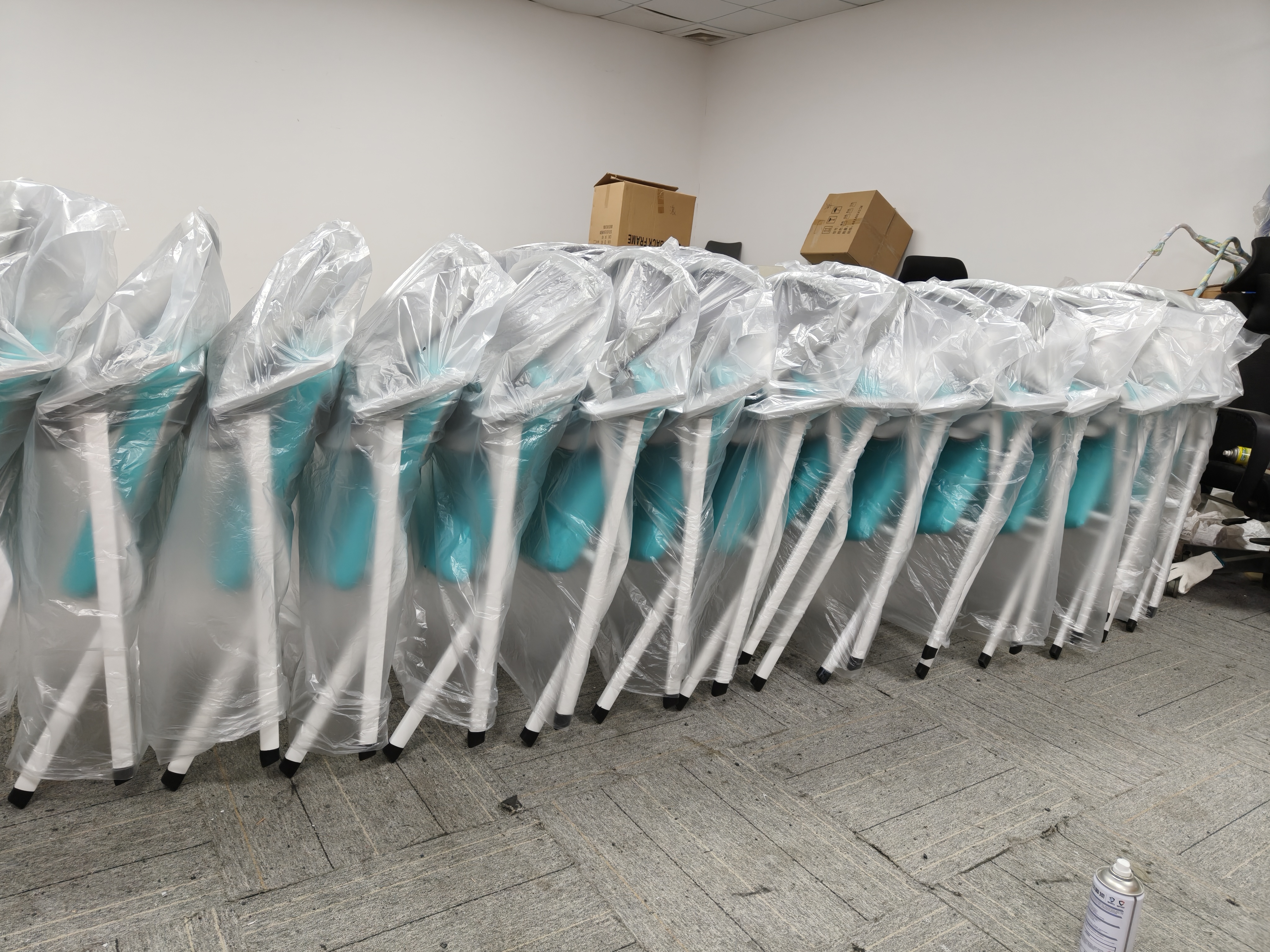
Foldable training chairs are essential components for versatile and adaptable seating solutions in various settings, from classrooms to conference rooms. These chairs are designed for easy storage and transport, making them ideal for temporary setups or multi-purpose spaces. As a B2B buyer, your main concerns likely revolve around product quality, durability, and suitability for your specific needs. This article will guide you through the important aspects of foldable training chairs, including supplier evaluation, key specifications, quality assessment, applications, and common challenges with effective solutions.
Key Specifications to Consider for Foldable Training Chairs
Several critical specifications should be evaluated when selecting foldable training chairs:
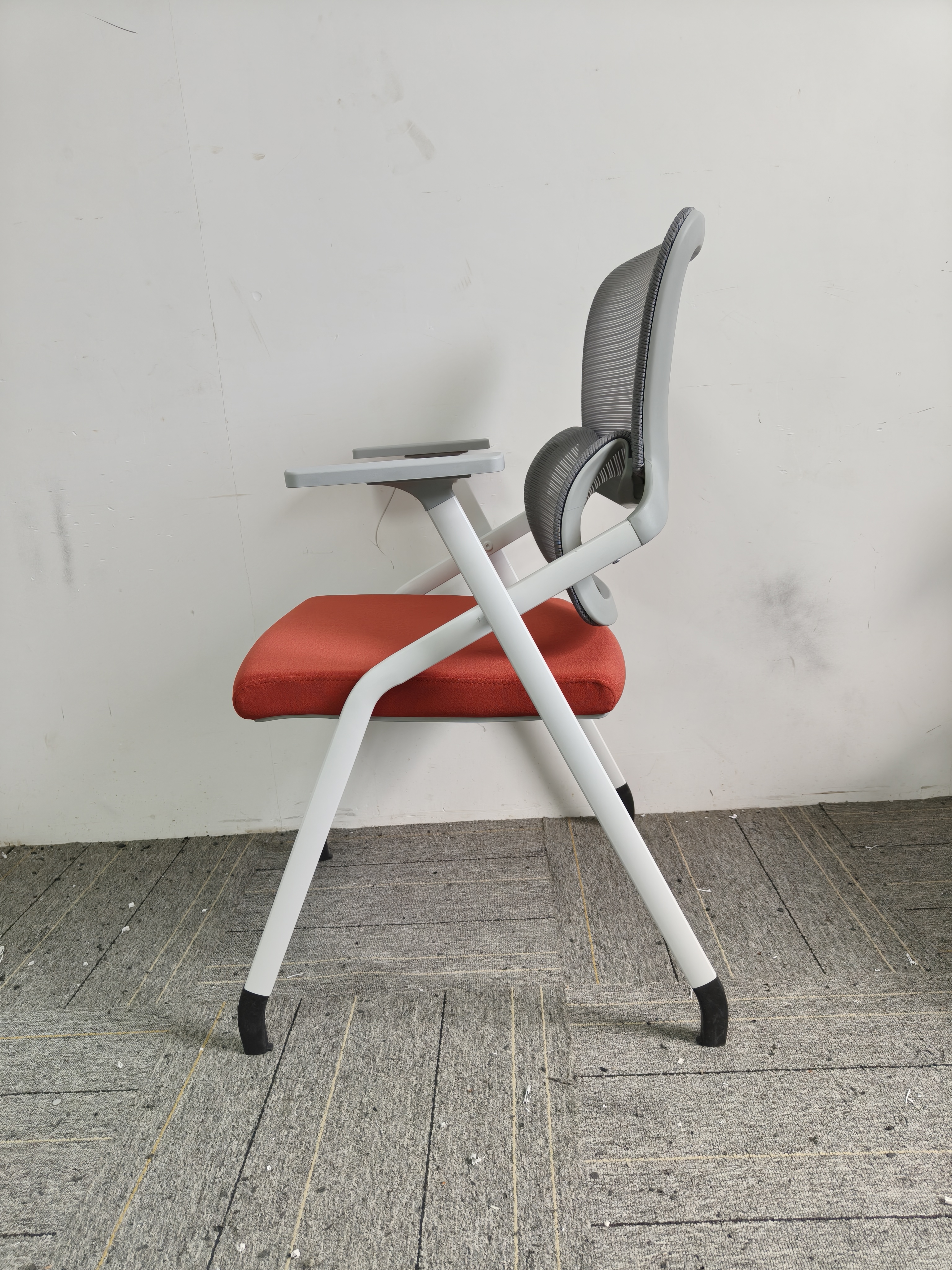
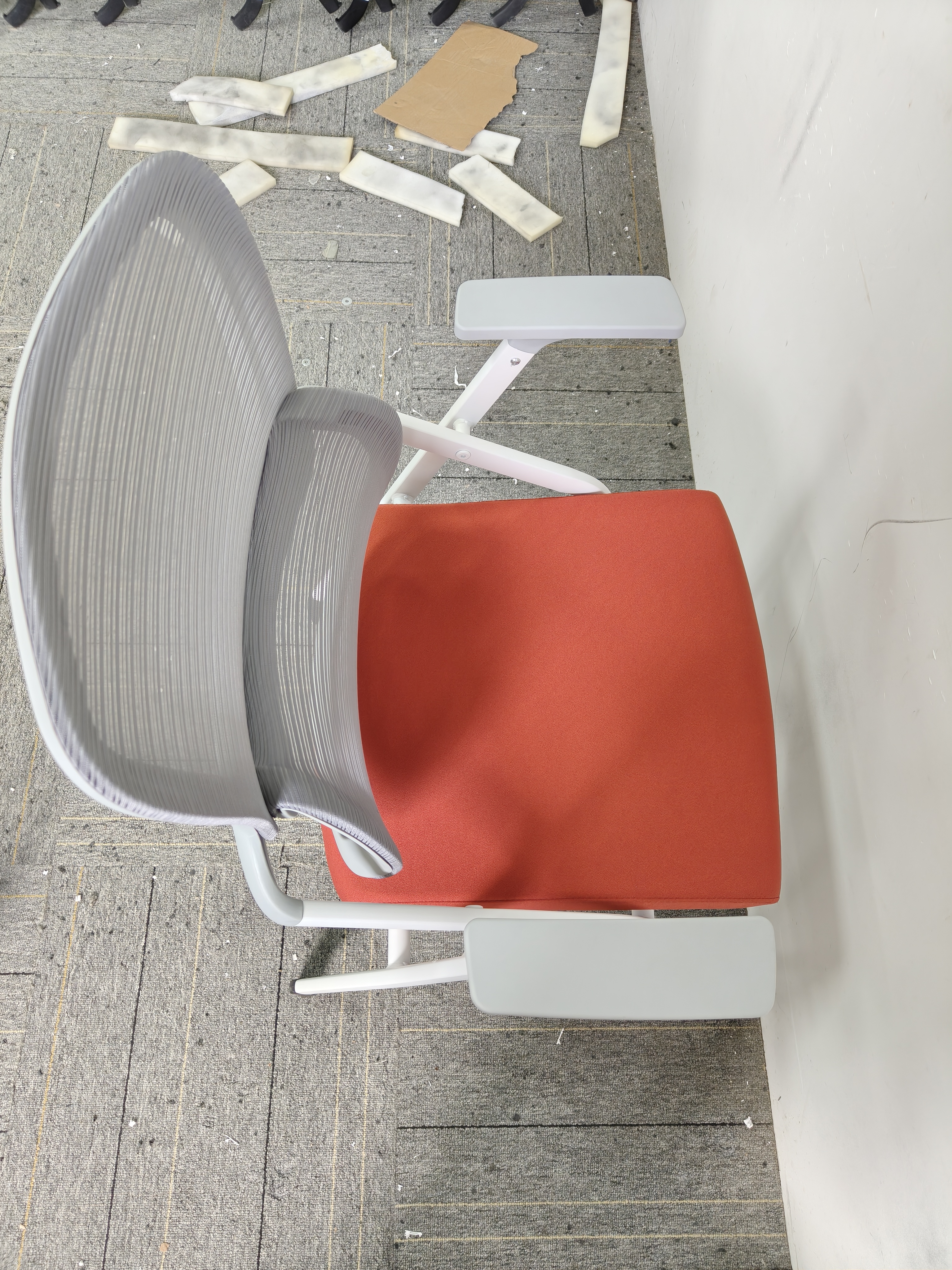
Material: Common materials include metal frames for durability and plastic or upholstered seats for comfort. The choice of material affects the chair's weight, longevity, and ease of cleaning.
Weight Capacity: Ensure that the chair can support the expected weight range of users. This varies by design, so confirm the manufacturer's specifications.
Dimensions: Measure the space where the chairs will be used to ensure they fit comfortably. Consider seat height, width, and depth, especially if the chairs will be used for extended periods.
Folding Mechanism: Investigate the folding mechanism for ease of use. Chairs that fold flat or stack efficiently can save space when not in use.
Finish and Surface Treatment: A quality finish not only enhances aesthetics but also increases durability, offering resistance to scratches and wear.
Understanding these specifications will help you choose chairs that meet your functional and aesthetic requirements while ensuring user comfort. Additionally, for environments that require flexible seating, options like Dining Table can complement foldable chairs.