
Choosing the Right Chrome Stools for Commercial Use

All Categories

chrome stool

When it comes to selecting the right seating solutions for commercial environments, chrome stools stand out as a versatile option. These stools provide both aesthetic appeal and practical functionality, making them suitable for various applications—from office break rooms to café settings. However, B2B buyers often have specific concerns, such as material quality, durability, and customization options. This article will guide you through essential factors to consider when sourcing chrome stools, ensuring you make informed decisions that align with your project needs.
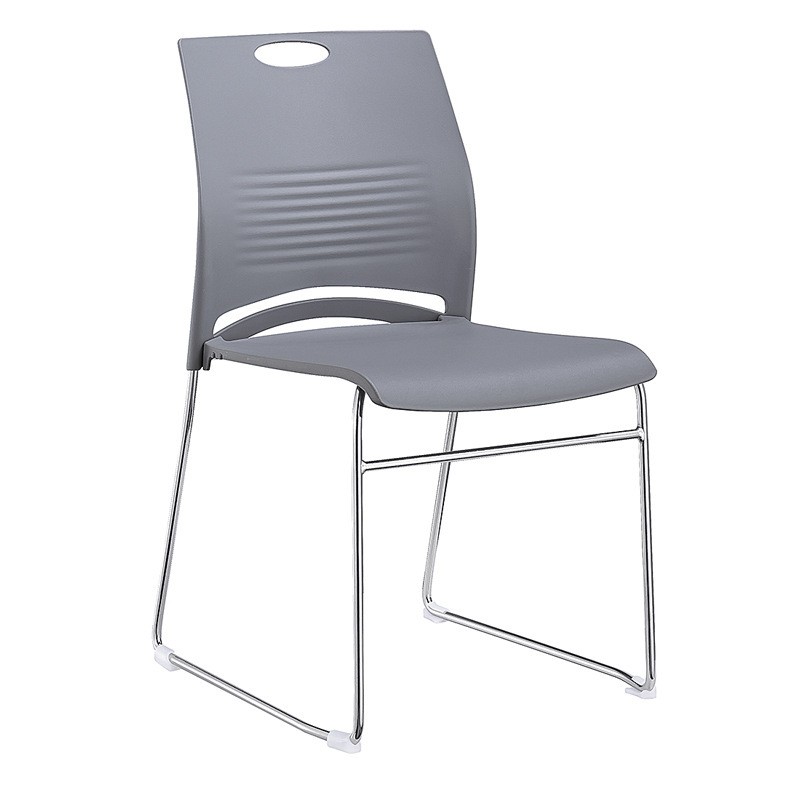
Key Specifications to Evaluate When Sourcing Chrome Stools

Key Specifications to Evaluate When Sourcing Chrome Stools

When sourcing chrome stools, specific key specifications should be evaluated to ensure product suitability. Start by examining the frame construction. Sturdy steel or chrome-plated frames offer excellent strength and resistance to rust and corrosion, vital for stools used in humid environments like kitchens or outdoor settings.

Next, pay attention to the seat material. Common materials include vinyl, fabric, and leather, each with varying levels of durability and ease of cleaning. For a commercial setting, vinyl is often preferred due to its resistance to stains and ease of maintenance. Additionally, look for stools with a weight capacity suitable for your intended user demographic, typically ranging from 250 to 400 pounds. Consider using Bar Stools if you require additional height options.

Another important specification is the stool's base design. A wider base can enhance stability, especially in high-traffic areas. If the stools will be used on uneven surfaces, consider stools with adjustable feet to maintain balance.
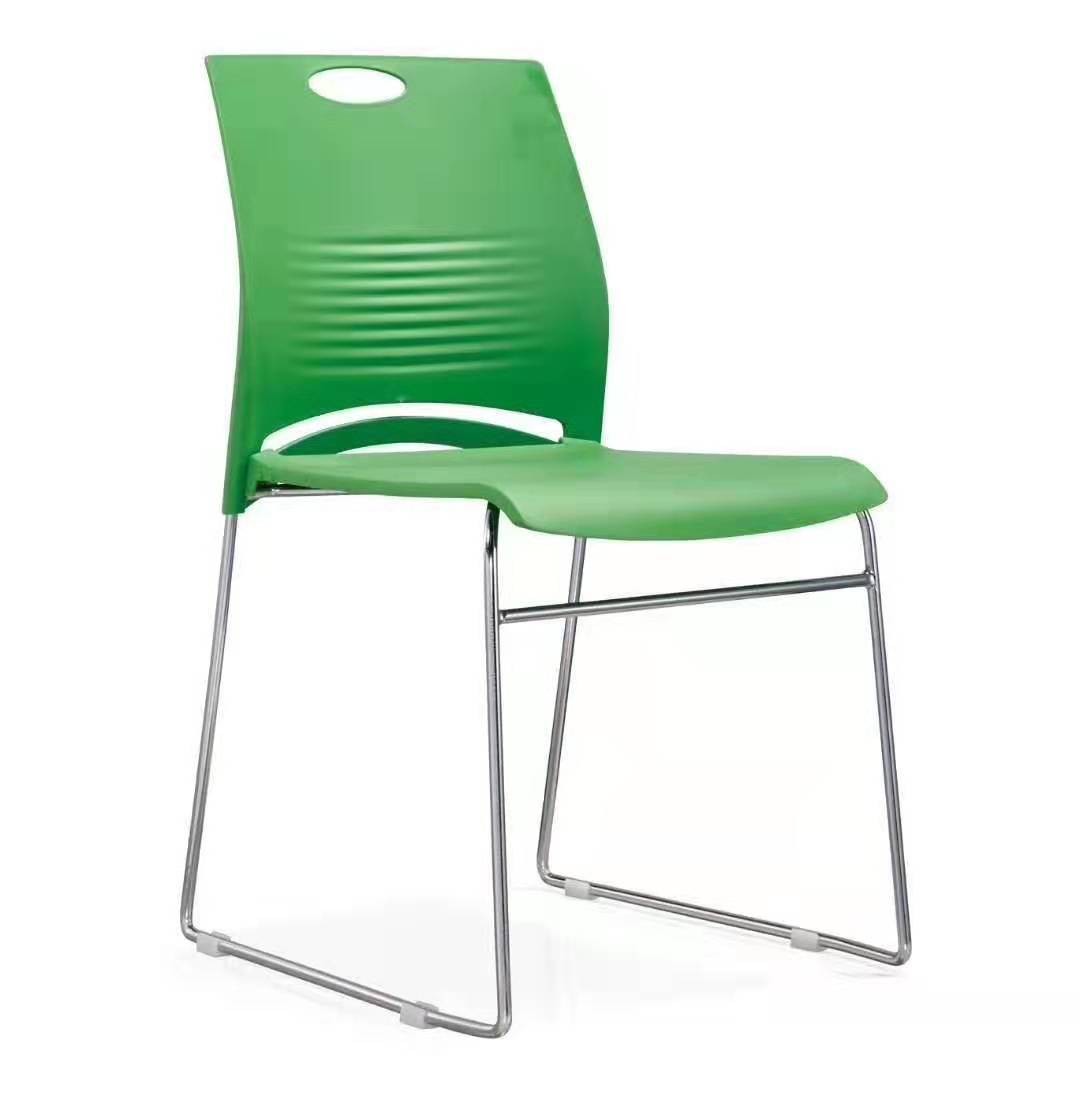
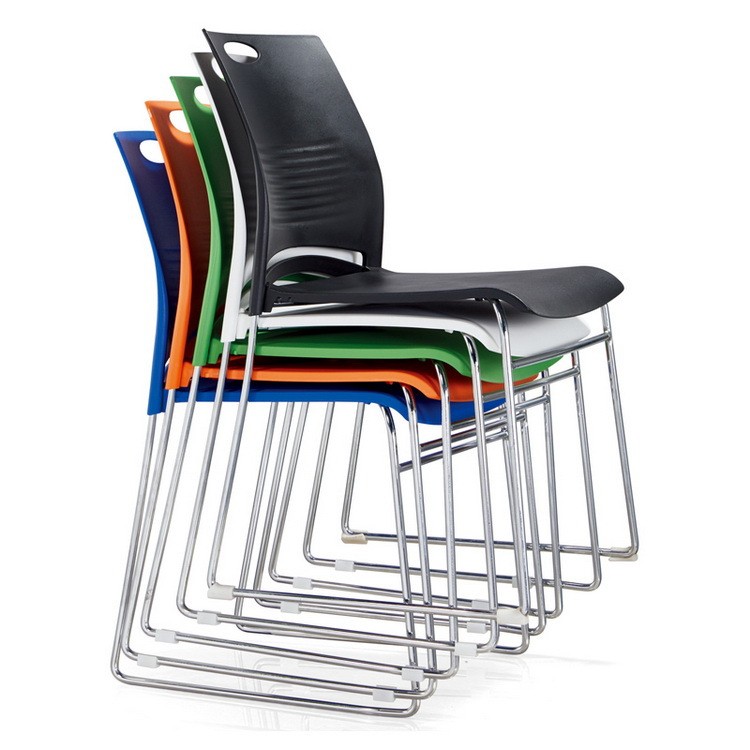
Understanding the Quality Control Process for Chrome Stools

Understanding the Quality Control Process for Chrome Stools

Quality control is critical in the manufacturing of chrome stools, ensuring that every product meets stringent standards before it reaches the market. At DESTON FURNITURE, for example, a robust quality control process begins with sourcing high-quality materials. All incoming materials are inspected for compliance with specifications, including thickness, finish, and overall appearance.

During production, various checkpoints are established to monitor the assembly process. This includes evaluating the integrity of welds on chrome frames and ensuring that upholstery is applied correctly without defects. Finished products undergo rigorous testing to assess stability and durability, often simulating real-world conditions to identify potential weaknesses.

Finally, pre-shipment inspections are conducted to ensure that the stools meet the agreed-upon specifications. This thorough quality control process minimizes the risk of defects and maximizes customer satisfaction, ensuring reliable performance in commercial applications.

What to Consider for Your Order

What to Consider for Your Order

When preparing to place an order for chrome stools, several key considerations will help streamline the procurement process. First, clarify your project requirements, including the quantity needed and desired delivery timeline. Understanding your project schedule will allow suppliers to provide accurate lead times and avoid potential delays.

It's also essential to discuss customization options with your supplier. This may include selecting specific upholstery colors or finishes that match your branding. Providing clear specifications and artwork will facilitate a smoother design process and ensure that the final product meets your expectations.

Additionally, be aware of minimum order quantities (MOQ) that suppliers may impose. This requirement can vary based on the manufacturer and product type. Understanding the MOQ will help you plan your budget and inventory levels effectively.

Lastly, inquire about packaging methods and shipping arrangements. Safe packaging is critical to prevent damage during transit, especially for chrome stools, which can be prone to scratches. Confirming shipping details early on will aid in smooth delivery logistics to your location.

Material Advantages of Chrome Stools for Commercial Use

Chrome stools offer several material advantages that make them ideal for commercial applications. The chrome plating process creates a shiny, attractive finish that is not only visually appealing but also provides a protective layer against moisture and corrosion. This is particularly beneficial in environments like restaurants or outdoor cafes where exposure to spills and humidity is common.

The design flexibility of chrome stools allows for various styles and configurations, making them suitable for diverse settings from casual dining to formal office environments. The lightweight nature of chrome frames makes them easy to move and rearrange, allowing for quick adaptability in dynamic spaces.

Furthermore, chrome stools are often paired with upholstered seats that can enhance comfort and style. The combination of chrome and fabric or vinyl seating materials provides a balance of durability and aesthetic appeal, making them a popular choice for businesses looking to create inviting atmospheres.

In summary, chrome stools encapsulate practicality and style, making them an excellent investment for commercial spaces. By understanding their specifications, quality control processes, and material advantages, B2B buyers can confidently make informed decisions that enhance their project outcomes.

How to Choose the Right Chrome Stool for Your Project Needs

Selecting the right chrome stool involves considering several factors that can affect both the functionality and aesthetics of your space. First, assess the intended use of the stools. Will they be used in high-traffic areas, such as a cafeteria or office lounge? If so, durability and ease of maintenance should be prioritized. Look for stools with sturdy chrome frames and durable upholstery that can withstand daily wear and tear. For example, a Dining Table paired with chrome stools can create an inviting dining area.

Next, consider the height and dimensions of the stools. Standard counter-height stools typically range from 24 to 27 inches in seat height, while bar-height stools are usually between 28 to 32 inches. Ensure that the stool height is compatible with your tables or counters to provide a comfortable seating experience. Additionally, evaluate the stool's design, including back support and seat contour, which can enhance comfort for extended periods.

Lastly, think about the style and finish of the chrome stools. A sleek, modern design might be ideal for contemporary offices, while more traditional aesthetics may suit a café or restaurant environment. Customization options, such as upholstery color and finishes, can help align the stools with your brand identity and overall decor.

Get a Free Quote

Our representative will contact you soon.
Name
Email
Company Name
Telephone
Message
0/1000
Attachment
Please upload at least an attachment
Up to 3 files, each no larger than 30MB. Supported formats: jpg, jpeg, png, pdf, doc, docx, xls, xlsx, csv, txt, stp, step, igs, x_t, dxf, prt, sldprt, sat, rar, zip.

Related product categories

Choosing the Right Chrome Stools for Commercial Use

Get a Free Quote

Our representative will contact you soon.
Name
Email
Company Name
Telephone
Message
0/1000
Attachment
Please upload at least an attachment
Up to 3 files, each no larger than 30MB. Supported formats: jpg, jpeg, png, pdf, doc, docx, xls, xlsx, csv, txt, stp, step, igs, x_t, dxf, prt, sldprt, sat, rar, zip.