EN

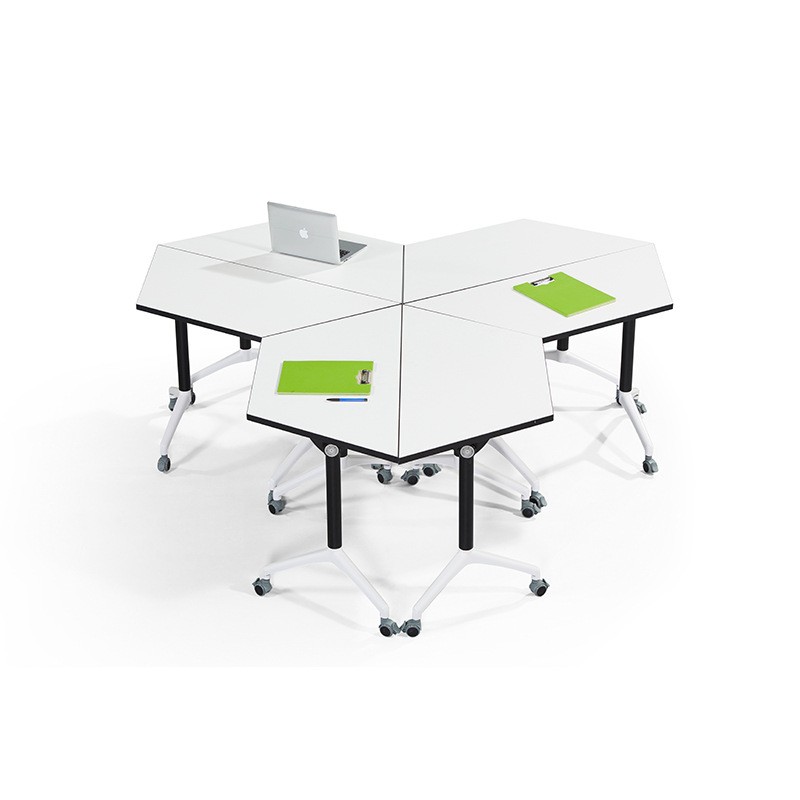
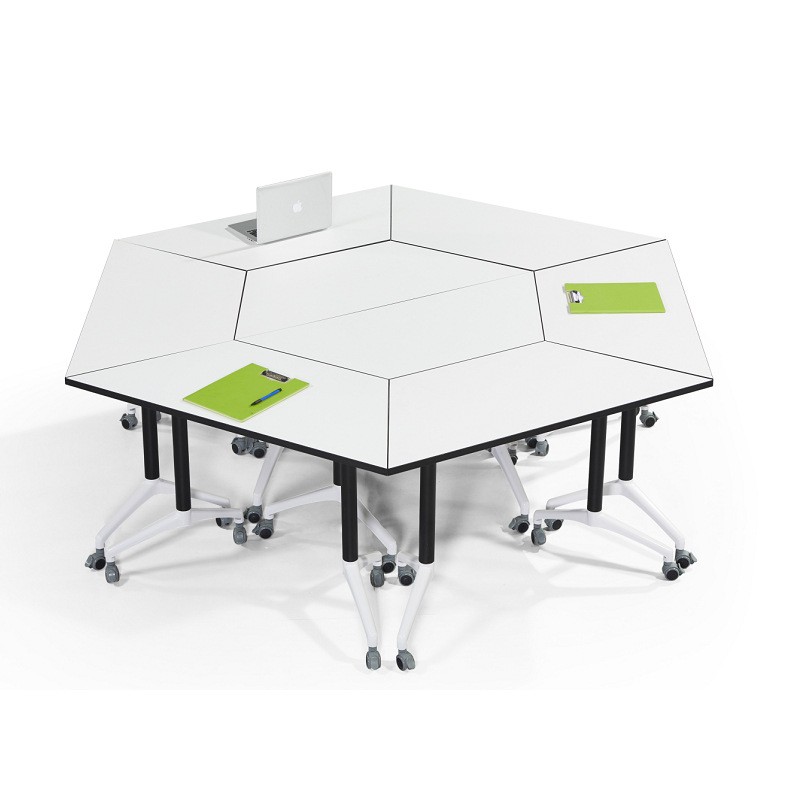
Flip top training tables are versatile furniture pieces designed to enhance the functionality of various environments, from corporate offices to educational institutions. These tables are known for their ability to fold and nest, allowing for efficient storage and reconfiguration of spaces. When considering flip top training tables, B2B buyers often prioritize durability, ease of use, and adaptability to different applications. This article will provide insights on sourcing, key specifications to consider, installation guidance, and the diverse applications of flip top training tables.
Key Specifications to Consider for Flip Top Training Tables
When evaluating flip top training tables, there are several key specifications that buyers should consider:
Material: The material used significantly affects the table's durability and appearance. Common materials include high-pressure laminate, melamine, and solid wood. Buyers should assess the material's resistance to scratches, stains, and wear.
Dimensions: The size of the tables is crucial depending on the intended use. Standard lengths range from 48 to 72 inches, while width and height should accommodate various users comfortably. Buyers should also consider the footprint when tables are nested.
Weight Capacity: Understanding the weight capacity is essential, especially for training sessions that may require equipment or heavy materials. Confirming this specification ensures the tables can withstand the intended use without compromising safety.
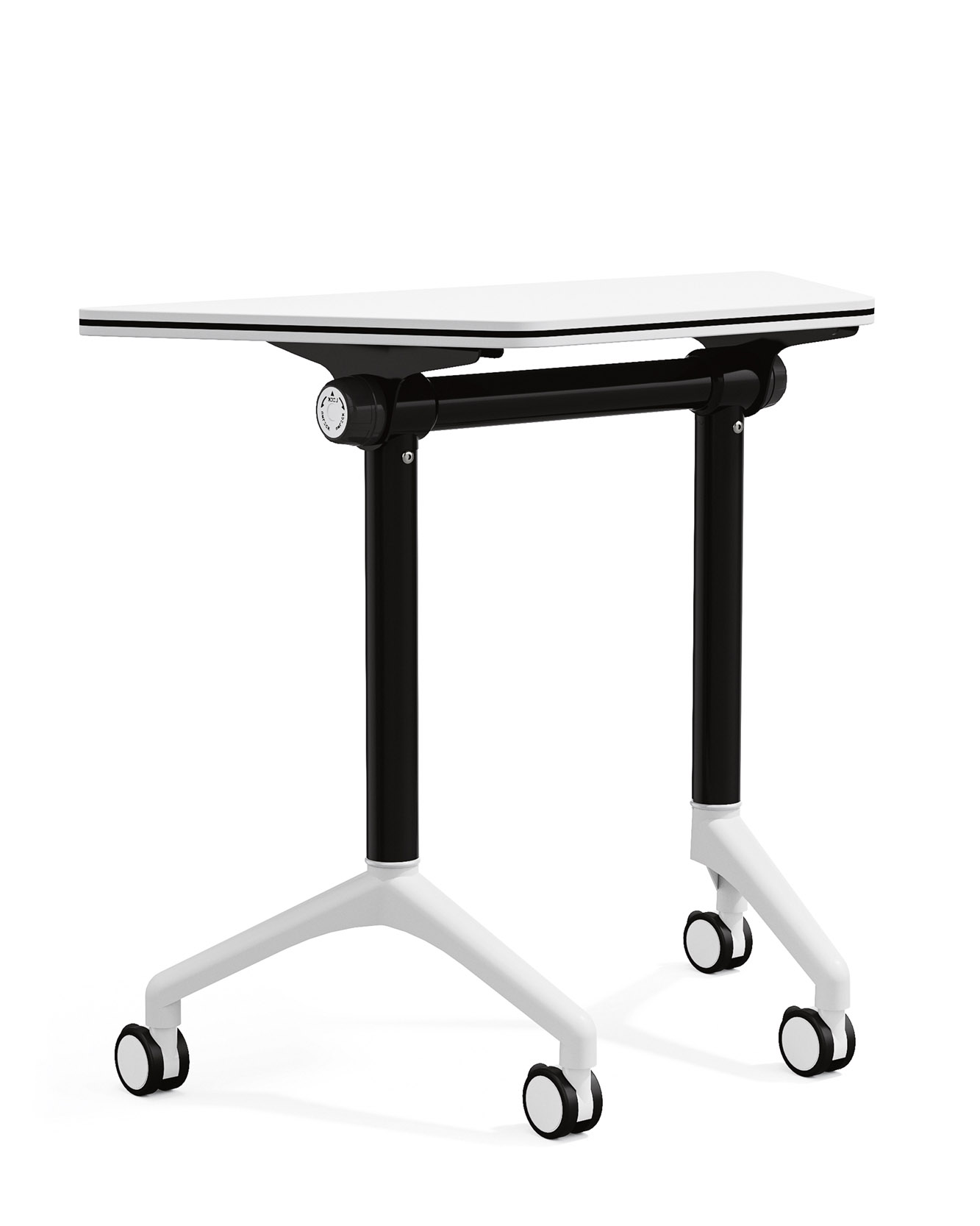
Folding Mechanism: The ease of the folding mechanism is vital for quick setup and teardown. Buyers should look for tables with intuitive designs that minimize the risk of pinching or jamming during operation.
Mobility: Tables with wheels enhance portability, allowing for easy reconfiguration of spaces. The quality of the casters should be evaluated to ensure they can support the table's weight and provide stability.
By focusing on these specifications, buyers can make informed decisions that align with their operational needs.