
Key Specifications for Meeting Room Chairs

All Categories

meeting room chairs

Meeting room chairs are essential components in any professional setting, designed to provide comfort and support during discussions, presentations, and collaborative sessions. When sourcing meeting room chairs, B2B buyers often prioritize factors such as durability, aesthetics, and ergonomics. This article will guide you through key specifications to consider when selecting meeting room chairs, helping you make informed purchasing decisions that align with your organization's needs.
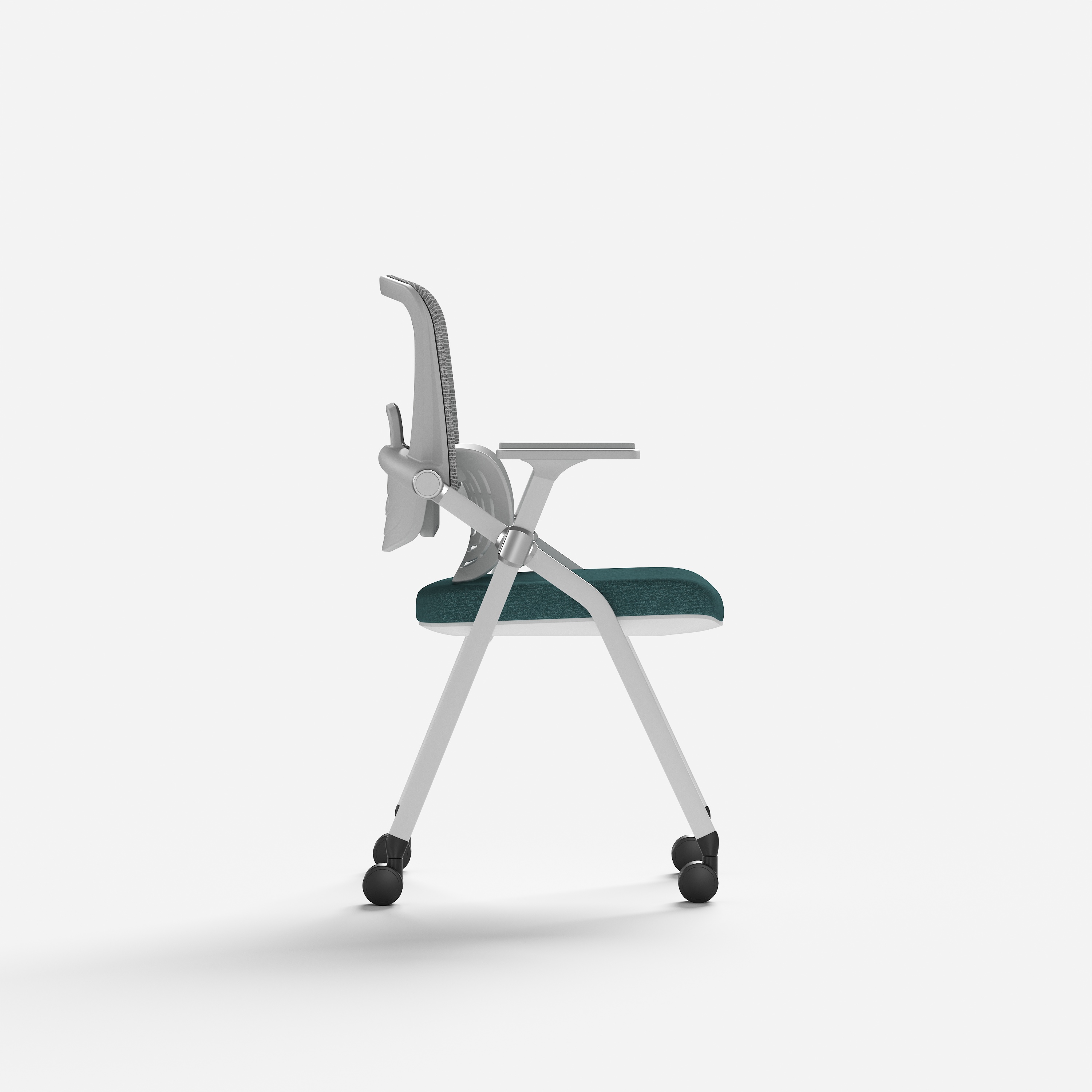
What You Need to Know

What You Need to Know

Before finalizing your purchase, it’s essential to gather comprehensive information about the meeting room chairs. Here are some key points to consider:

Customization Options: Many manufacturers, like DESTON FURNITURE, offer customization capabilities. This can range from selecting specific materials to adjusting dimensions for unique applications. Discuss your requirements early on to explore available options.

Production Capabilities: Understanding the manufacturer's production capabilities can provide insight into lead times and scalability. For larger orders, ensure that the supplier can meet your quantity requirements without compromising quality.

Quality Control Processes: Inquire about the quality control procedures in place. A reputable manufacturer will have stringent checks to ensure that each chair meets the specified standards before shipment. This can include material inspection, assembly evaluations, and final product testing.

Export Markets: If you plan to source chairs for international projects, confirm that the manufacturer has experience in export markets and understands the logistics involved.
A Buyeru2019s Guide

A Buyeru2019s Guide

When preparing to purchase meeting room chairs, consider the following actionable steps:

Prepare a Specification Sheet: Document your specific requirements, including material preferences, dimensions, weight limits, and desired features. This will streamline the RFQ process and ensure you receive accurate quotations.

Request Samples: Before committing to a bulk order, request samples to evaluate the chair’s comfort, materials, and overall quality. Testing a sample under actual meeting conditions can help identify any potential issues.

Compare Suppliers: Evaluate multiple suppliers based on their product offerings, customization capabilities, lead times, and pricing. Look for reviews and testimonials from other companies to gauge reliability.

Negotiate Terms: Discuss payment terms, delivery schedules, and return policies with the supplier. Ensure that you have a clear understanding of the agreement before proceeding with the order.

Installation Guidance for Meeting Room Chairs in Commercial Spaces

Installation Guidance for Meeting Room Chairs in Commercial Spaces

Effective installation of meeting room chairs is crucial for maximizing their functionality and ensuring a professional appearance in your space. Here are some installation tips:

Space Planning: Before installation, plan the layout of your meeting space. Consider the flow of movement and ensure that chairs do not obstruct pathways or entrances.

Assembly Instructions: Follow the manufacturer’s assembly instructions carefully. Ensure that all components are securely fastened to prevent accidents during use. If the chairs come pre-assembled, inspect them for any damages or defects.

Final Placement: Once assembled, position the chairs around the meeting table, ensuring equal spacing for comfort. Test the arrangement by simulating a meeting to ensure that all participants can move freely and access their chairs easily.

Common Problems with Meeting Room Chairs and Their Solutions

Despite careful selection and installation, issues may arise with meeting room chairs. Here are some common problems and their solutions:

Worn-Out Upholstery: Over time, the upholstery may wear down, leading to discomfort and an unprofessional appearance. Regular maintenance and cleaning can prolong the life of the fabric. For severe damage, consider reupholstering or replacing the affected chairs.

Instability: If chairs become wobbly or unstable, check the screws and bolts to ensure they are tightened. If instability persists, it may be a sign of a manufacturing defect; consult the supplier for a replacement or repair.

Squeaky Noises: Squeaking can be annoying during meetings and may indicate a lack of lubrication in moving parts. Applying a silicone spray to the joints can reduce noise and improve functionality.

Incompatibility with Table Height: If chairs feel too low or high compared to the meeting table, it may affect comfort and posture. Adjust the seat height if possible, or consider exchanging them for chairs with a more suitable height, like a well-designed Dining Table that complements your selected chairs.

By understanding these common issues, buyers can proactively address them, ensuring a satisfactory experience with their meeting room chairs.

In summary, sourcing meeting room chairs involves careful consideration of specifications, quality, and supplier capabilities. By following the outlined guidelines, you can make informed decisions that enhance the functionality and aesthetics of your meeting spaces.

Key Specifications to Consider When Sourcing Meeting Room Chairs

When evaluating meeting room chairs, several specifications are critical for ensuring they meet your operational requirements. Key factors include:

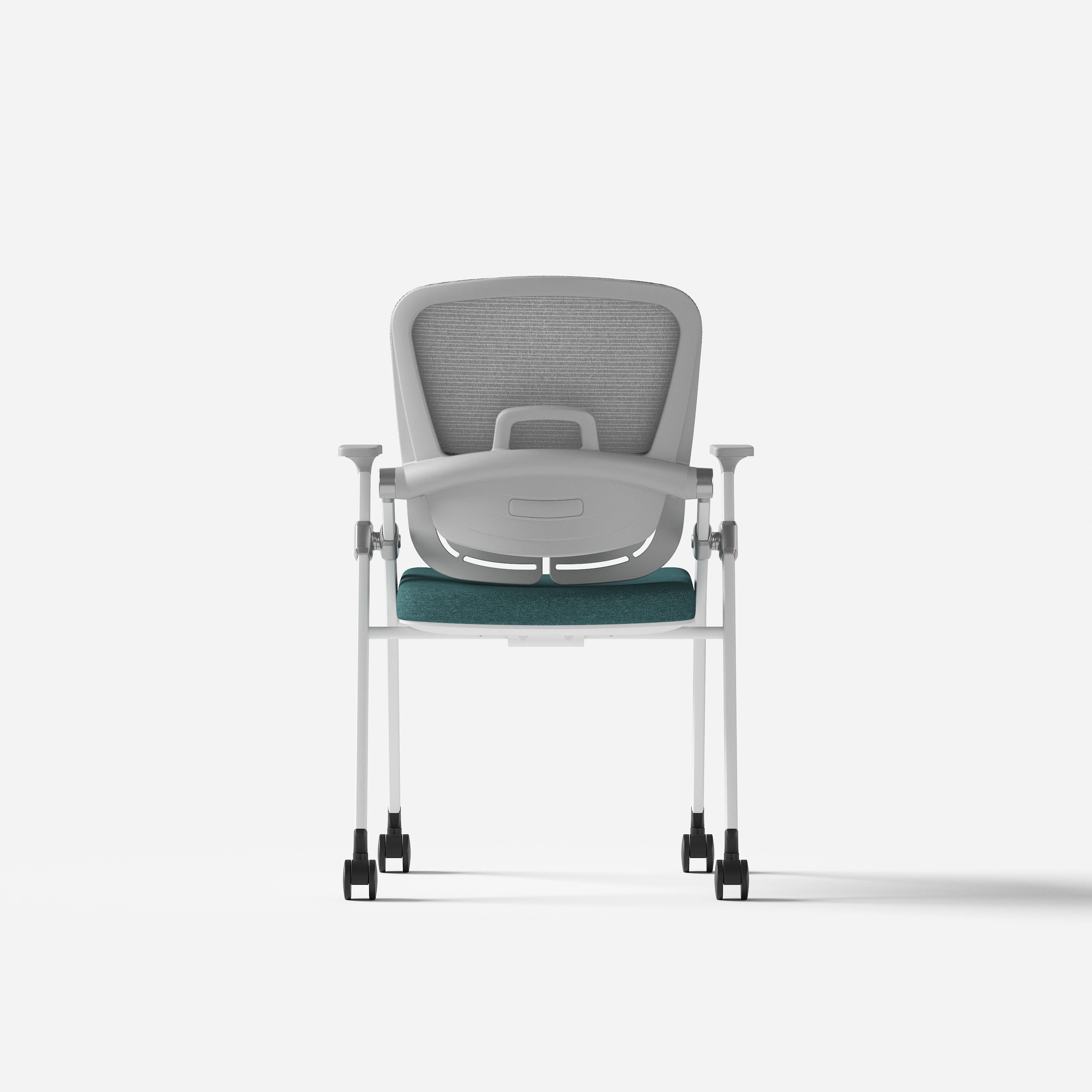
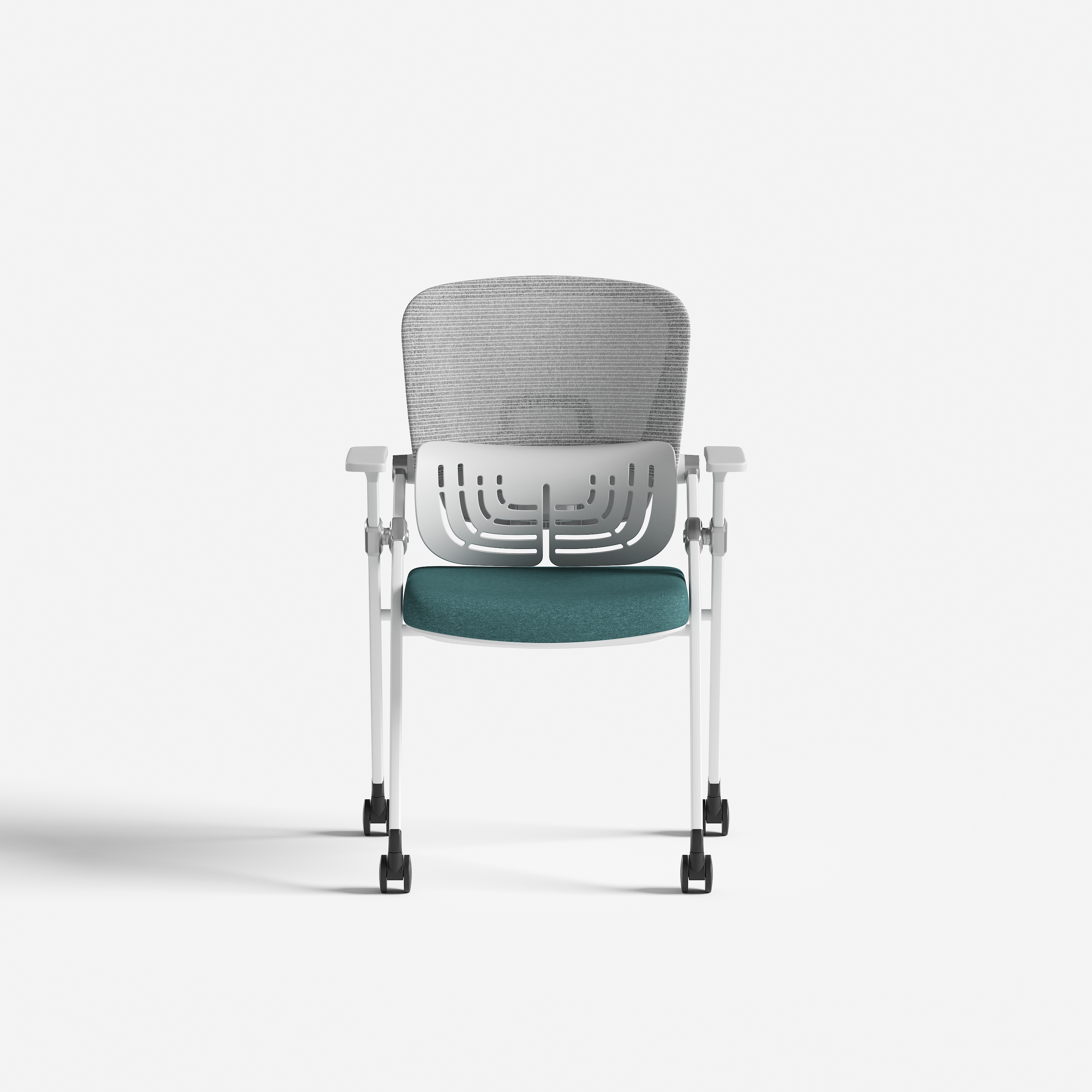
Material: The material of the chair influences durability, comfort, and aesthetics. Common options include mesh for breathability, leather for a professional appearance, and fabric for comfort. Consider the expected wear and tear in your environment—mesh chairs, for example, are excellent for high-traffic areas as they are easy to clean and maintain. For a more versatile option, you might also consider a Foldable Chair that can be easily stored when not in use.

Dimensions: The size of the chair should accommodate various body types and allow adequate space in the meeting room. Ensure the height, width, and depth of the chairs are appropriate for the table height and the overall room layout. Chairs that are too large can hinder movement, while those that are too small may compromise comfort.

Ergonomics: Ergonomic features such as adjustable seat height, lumbar support, and armrests can significantly enhance user comfort and productivity. These features are particularly important for meetings that extend over long periods. Look for chairs with customizable options that cater to different user needs, such as an Office Chair designed specifically for prolonged use.

Weight Capacity: Confirm the weight capacity of the chairs to ensure they are suitable for all potential users. This specification is often overlooked but is crucial for safety and comfort.

Style and Aesthetics: The design of the chair should align with your corporate identity and the overall decor of the meeting space. Consider color options, finish, and overall style to ensure consistency across your office furniture.

Get a Free Quote

Our representative will contact you soon.
Name
Email
Company Name
Telephone
Message
0/1000
Attachment
Please upload at least an attachment
Up to 3 files, each no larger than 30MB. Supported formats: jpg, jpeg, png, pdf, doc, docx, xls, xlsx, csv, txt, stp, step, igs, x_t, dxf, prt, sldprt, sat, rar, zip.

Related product categories

Key Specifications for Meeting Room Chairs

Get a Free Quote

Our representative will contact you soon.
Name
Email
Company Name
Telephone
Message
0/1000
Attachment
Please upload at least an attachment
Up to 3 files, each no larger than 30MB. Supported formats: jpg, jpeg, png, pdf, doc, docx, xls, xlsx, csv, txt, stp, step, igs, x_t, dxf, prt, sldprt, sat, rar, zip.