EN

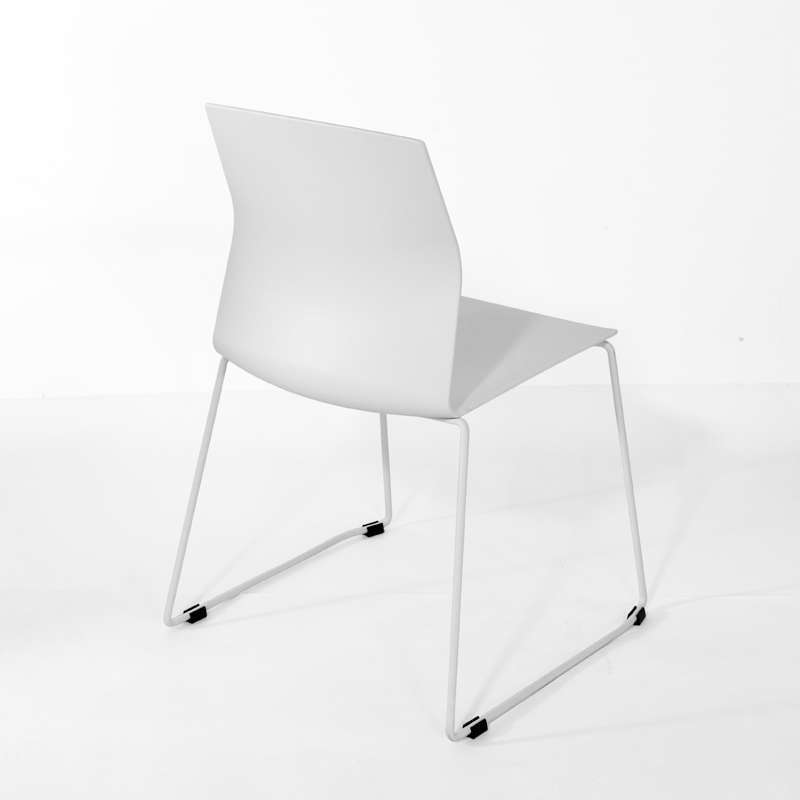
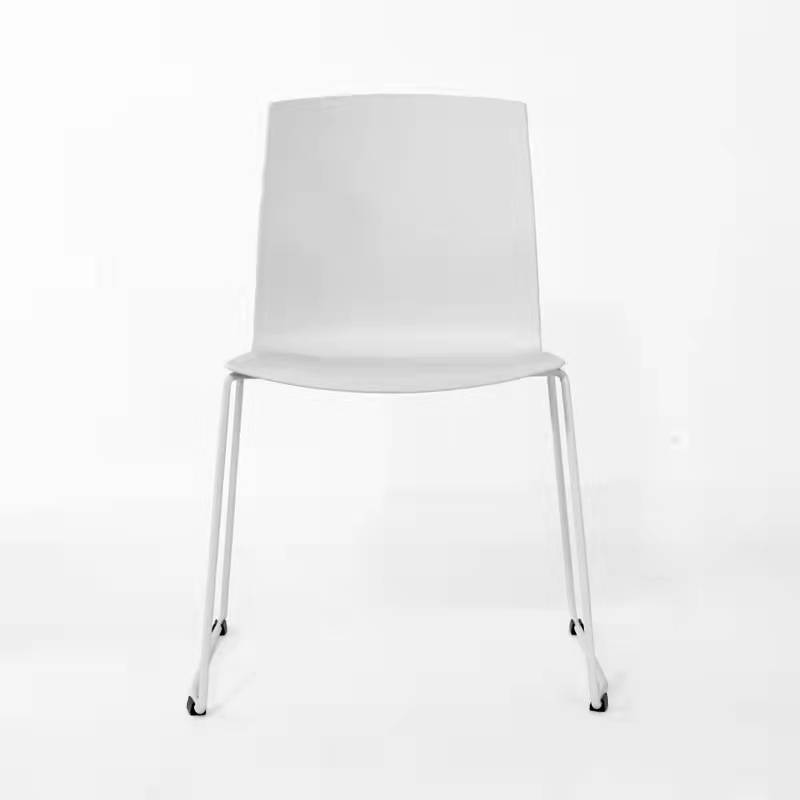
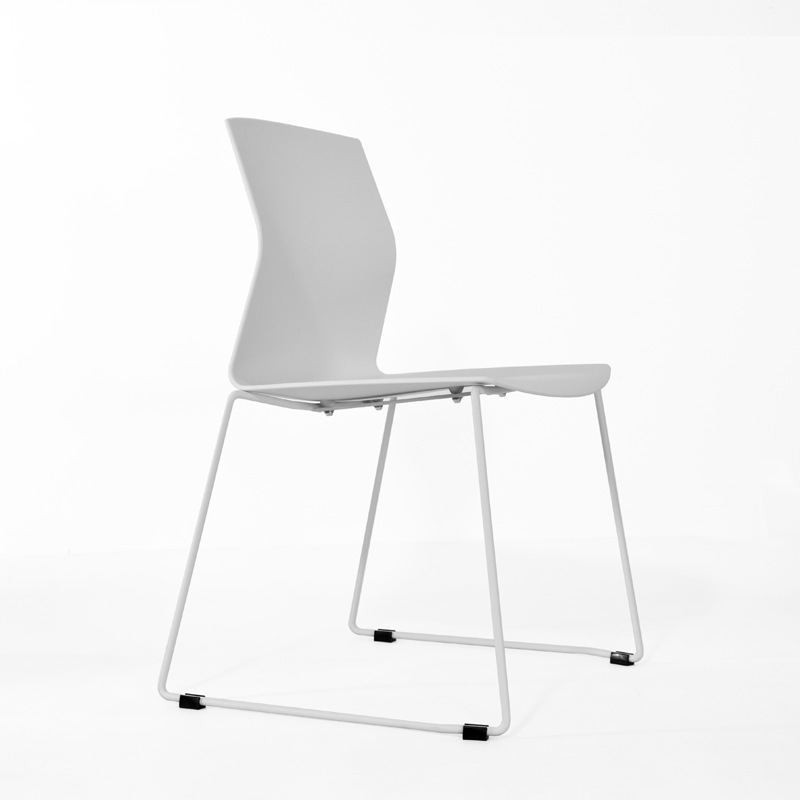
Stackable chairs are versatile seating solutions designed to be easily stored and transported, making them ideal for various commercial environments such as offices, schools, hospitals, and event spaces. As a B2B buyer, understanding the key aspects of stackable chairs is essential to ensure durability, comfort, and cost-effectiveness. This article will guide purchasing managers and other professionals through sourcing, installation, common issues, and decision-making factors for stackable chairs, helping you make informed choices for your business needs.
What Buyers Should Know
Before purchasing stackable chairs, buyers should consider several key specifications:
Material: The choice of material affects durability, maintenance, and comfort. Common materials include metal, plastic, and fabric. Each has its strengths, such as weather resistance for outdoor use or ease of cleaning for healthcare settings.
Weight Capacity: Ensure that the chairs can support the required weight load, which may vary depending on the intended user demographic. This is especially important in high-traffic environments.
Dimensions: Verify the dimensions of the chairs to ensure they fit within your space and accommodate users comfortably. Consider the stack height for storage.
Customization Options: Many manufacturers offer customization in terms of color, upholstery, and branding. This can help create a cohesive look in your space, especially with products like Foldable Chair that can provide additional versatility.
Certifications: Check for any industry-specific certifications that may be necessary for your application, such as fire safety or ergonomic standards.
Warranty and Support: Understand the warranty policies and after-sales support offered by the manufacturer, as this can impact long-term satisfaction with your purchase.