EN

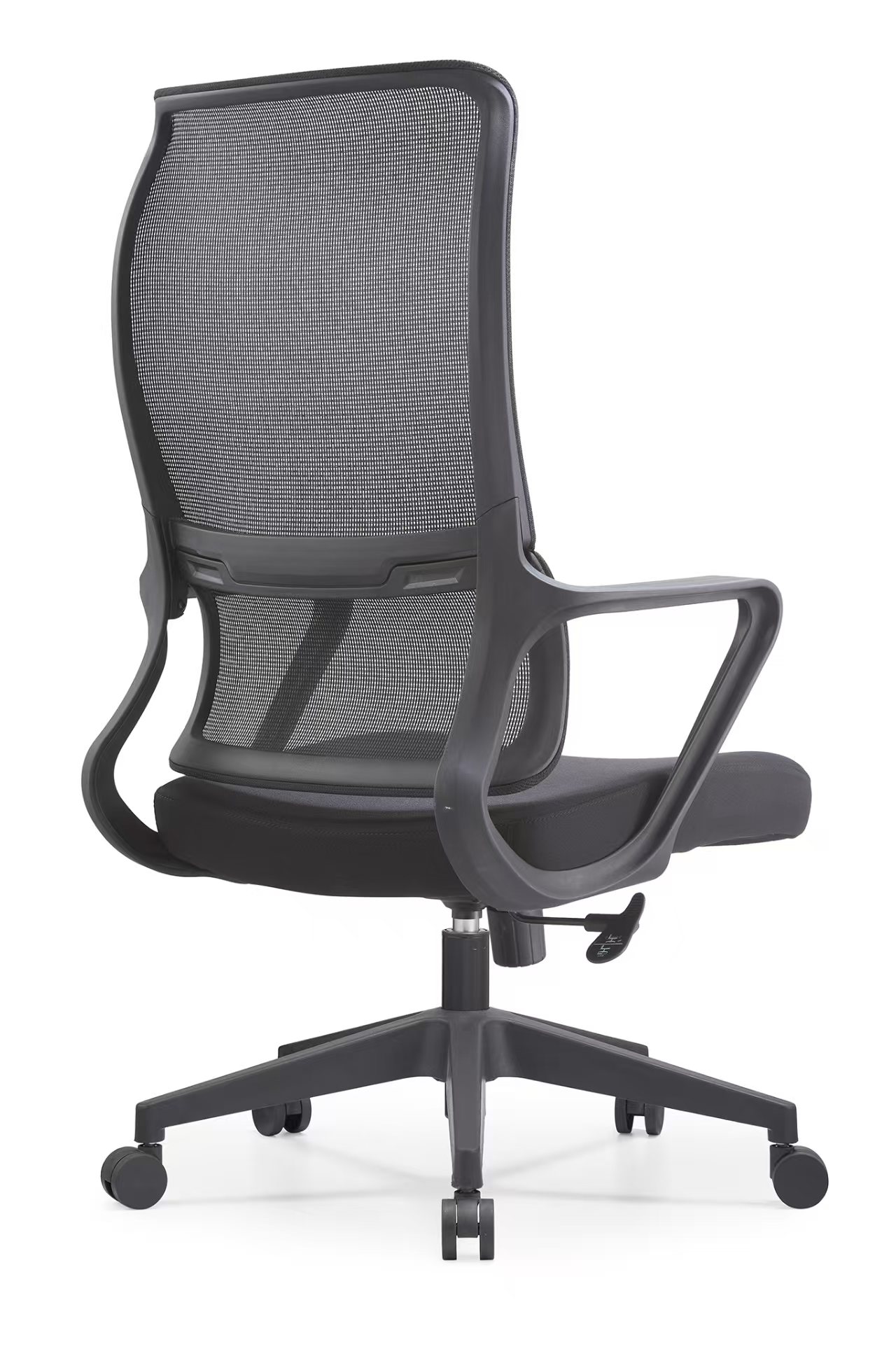
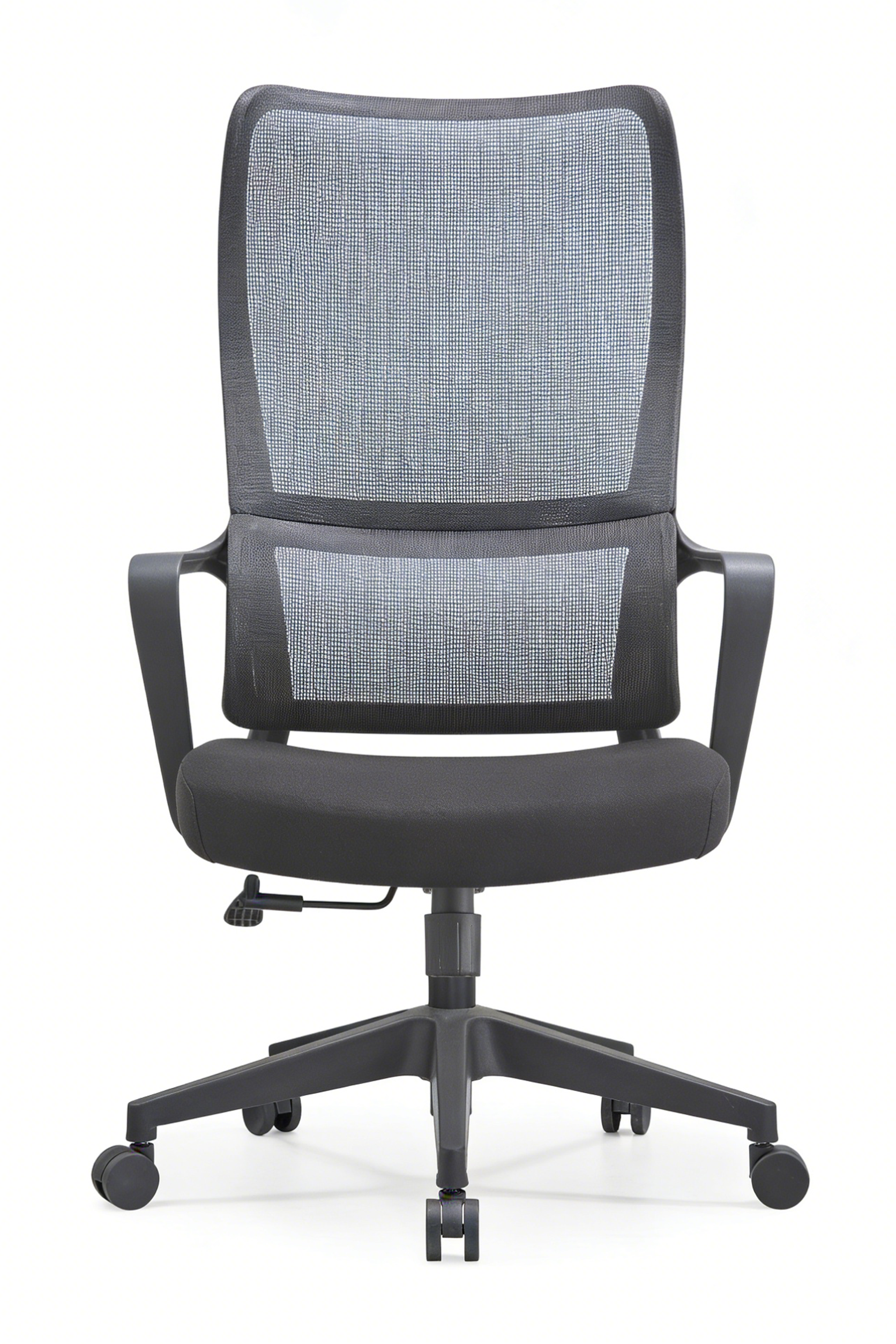
The selection of a comfortable chair for home use can significantly impact productivity and well-being, especially in professional environments. For B2B buyers, such as purchasing managers and office planners, understanding the specifications, features, and applications of these chairs is critical. This article will guide you through the essential aspects of comfortable chairs, focusing on quality specifications, key benefits, installation guidance, common issues, and their applications across various industries.
Key Features and Benefits
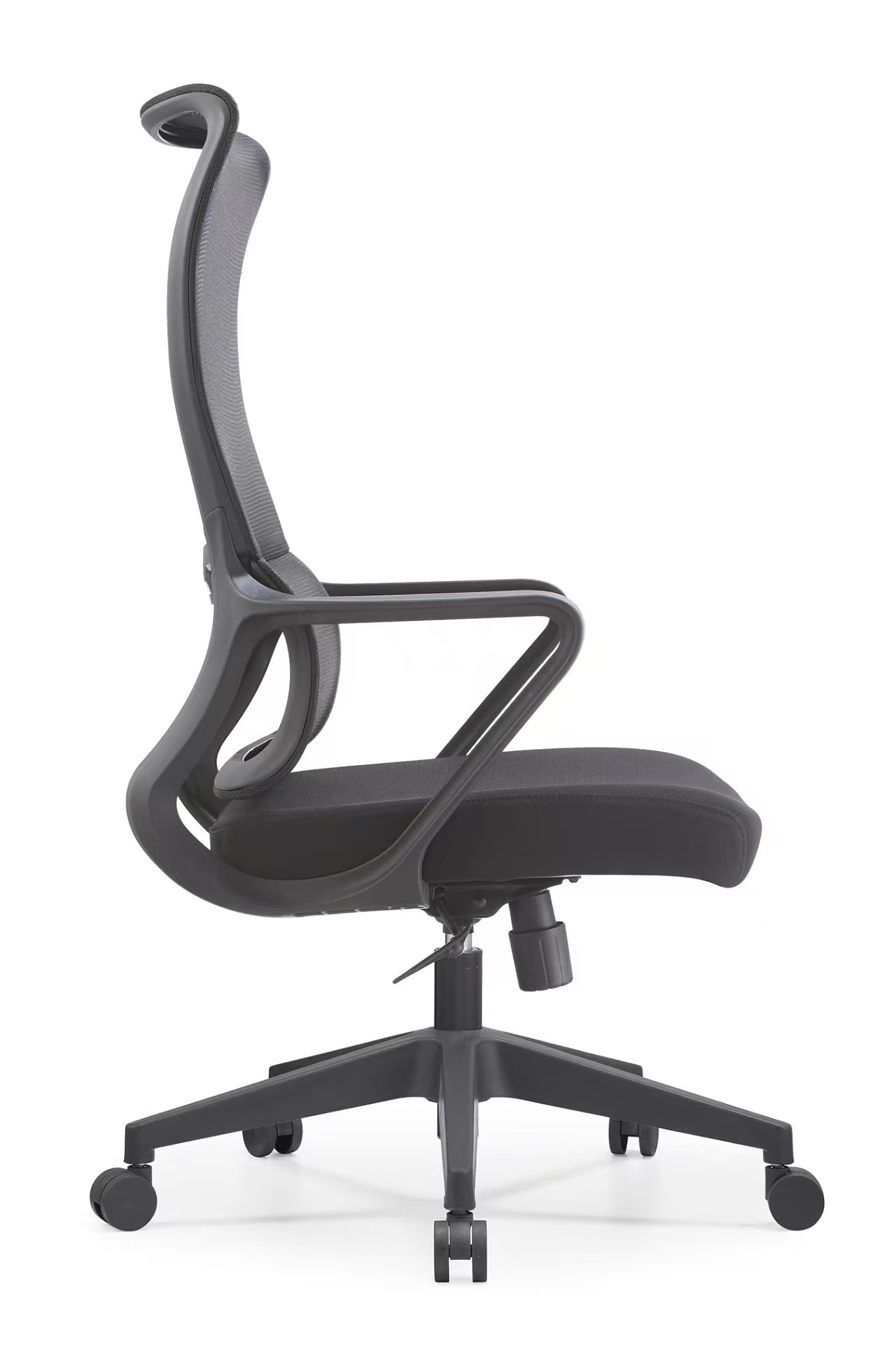
Comfortable chairs designed for home and office use offer a range of features and benefits that enhance user experience and productivity. Some of the most notable features include:
Adjustability: Many comfortable chairs come with adjustable seat heights, backrests, and armrests. This customization allows users to find their optimal seating position, reducing the risk of strain or injury.
Breathable Materials: Mesh chairs, in particular, are well-regarded for their breathability, helping to maintain a comfortable temperature and reduce sweating during prolonged use.
Mobility: Features such as swivel bases and casters enhance mobility, allowing users to move around their workspace easily without straining. The PX009 Rectangular Fliptop Training Table is an excellent example of how mobility can be integrated into office furniture.
Aesthetic Appeal: A well-designed chair not only adds comfort but also contributes to the overall aesthetic of a home or office environment. Options range from sleek modern designs to classic styles that can fit various décor themes.
Warranty and Support: Reputable manufacturers often provide warranties and customer support, ensuring that any issues can be resolved swiftly, which is a key consideration for bulk buyers.
Investing in chairs with these features can lead to improved employee satisfaction and productivity, making them a smart choice for businesses looking to enhance their workspaces.