EN

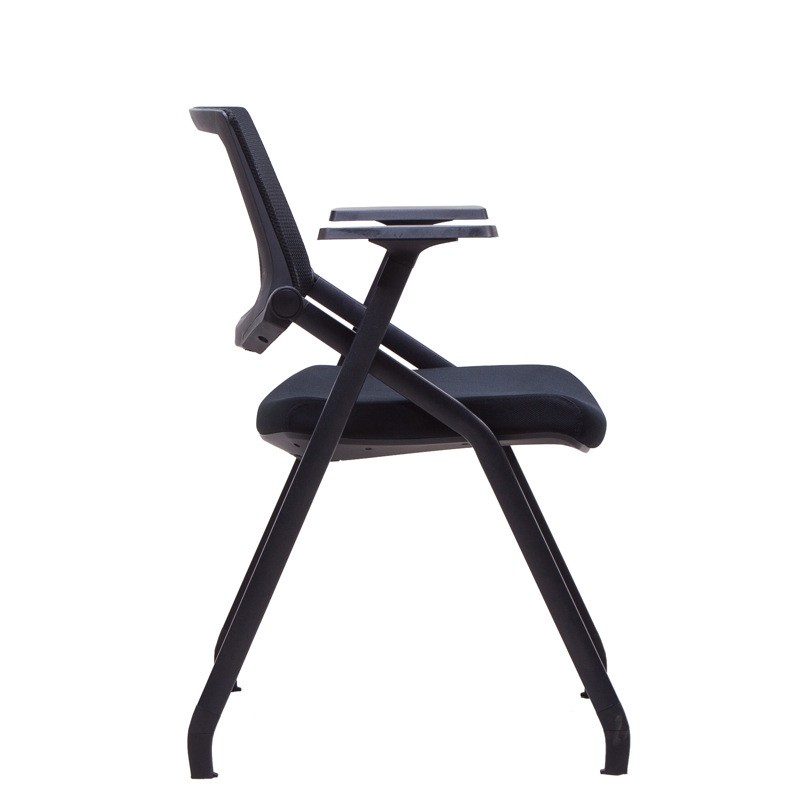
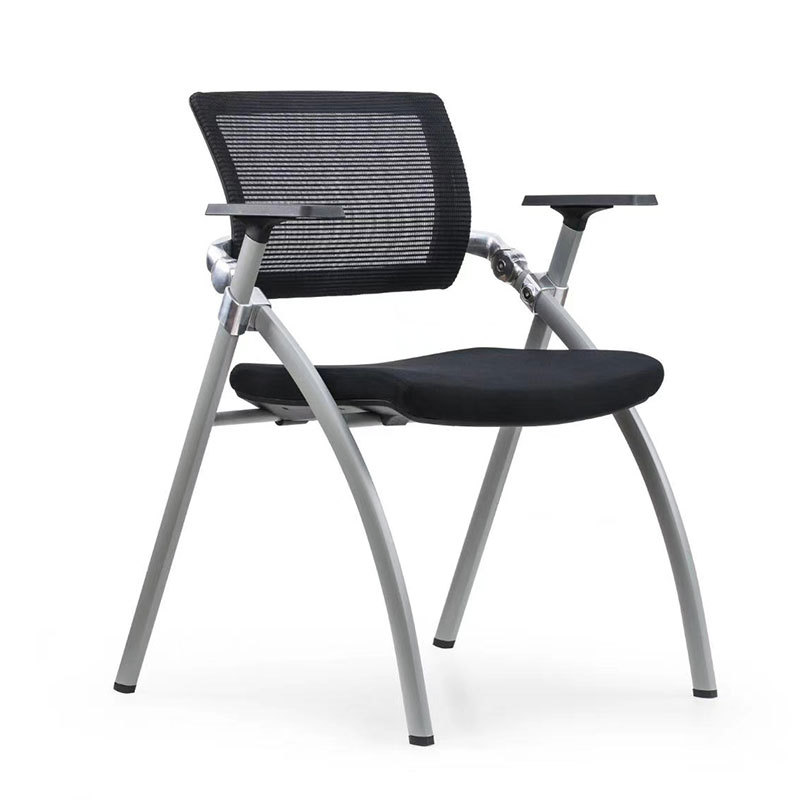
Selecting the right type of seating is crucial for any workspace, especially when considering a chair without wheels. These chairs are commonly used in environments that require stability and minimal movement, such as offices, schools, and hospitals. For B2B buyers, understanding the specific needs of their projects—such as comfort, durability, and aesthetic appeal—is essential. This article aims to provide a comprehensive guide on what to consider when choosing a chair without wheels, including specifications, installation guidance, cost factors, and sourcing reliable suppliers.
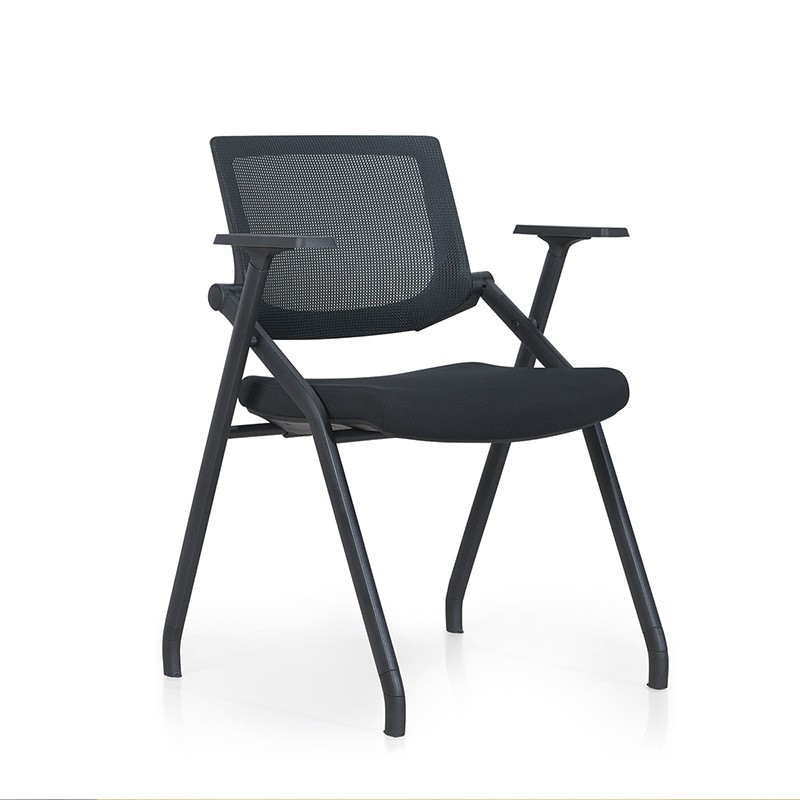
Specifications to Evaluate for High-Quality Chairs Without Wheels
When assessing chairs without wheels, evaluate the following specifications:
Weight Capacity: Ensure the chair can support the weight of its intended users. Most chairs will list a weight capacity, which should be verified against the actual use case.
Dimensions: Consider the chair's height, width, and depth. These dimensions should be suitable for the workspace, allowing for ease of movement and comfort.
Durability Ratings: Look for chairs that meet specific durability standards relevant to your industry. For instance, many office chairs are rated based on continuous use, while educational seating might have different requirements. A good Office Chair can often meet these standards effectively.
Warranty and Quality Assurance: A good warranty can indicate the manufacturer’s confidence in the product. Understanding the warranty terms can also provide insight into the expected lifespan of the chair.
Certifications: Check for relevant certifications such as BIFMA (Business and Institutional Furniture Manufacturers Association), which ensures that the product meets specific safety and performance standards.