
Choosing the Right Meeting Chair for Your Project

All Categories

meeting chair

Selecting the right meeting chair is crucial for creating productive environments in offices, schools, and other commercial spaces. Meeting chairs not only enhance comfort during long discussions but also contribute to the overall aesthetic and functionality of a workspace. As a B2B buyer, you may have concerns regarding quality, durability, and cost-effectiveness. This article will guide you through essential considerations when sourcing meeting chairs, ensuring you make informed decisions that align with your project needs.
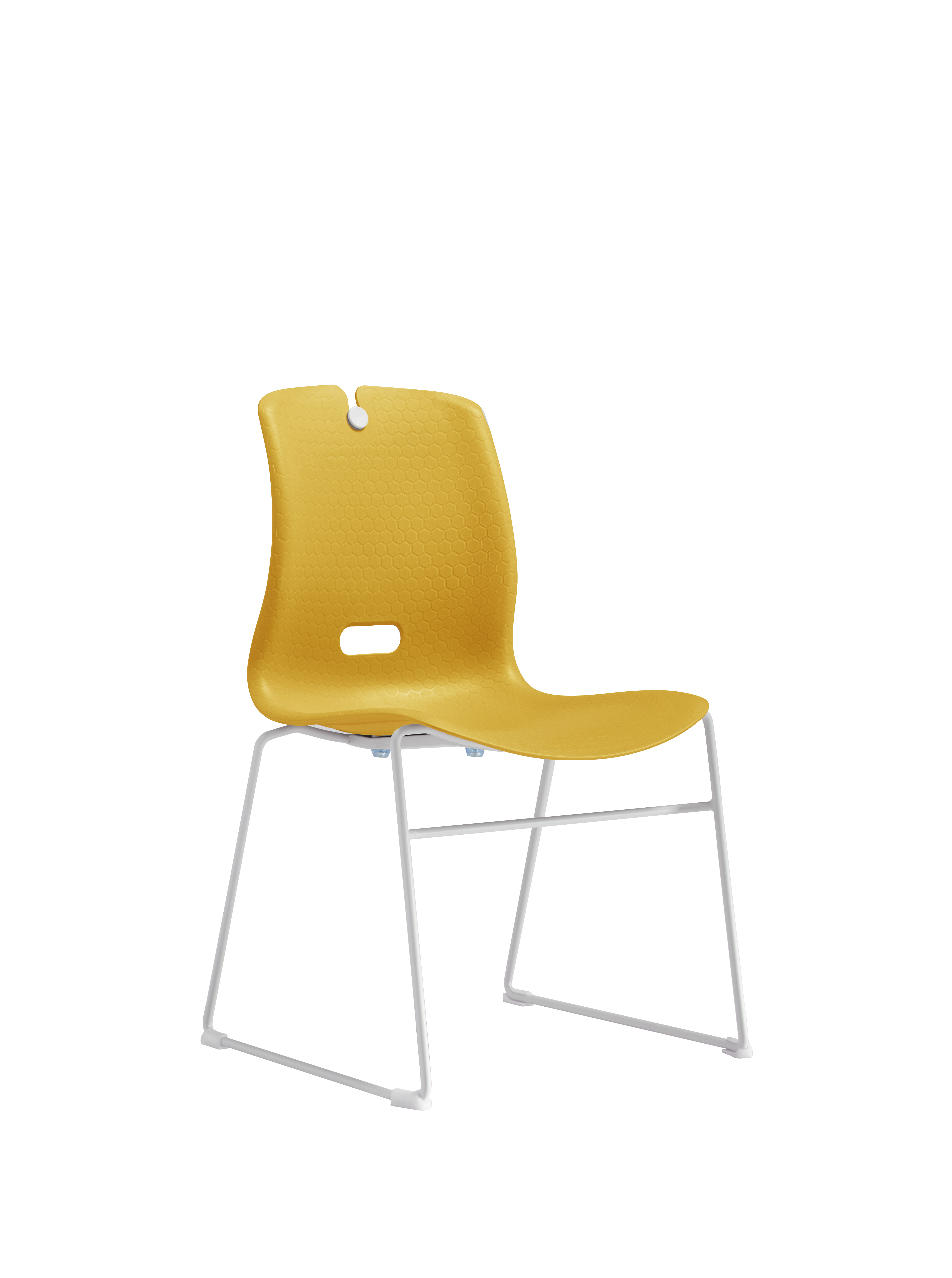
Key Specifications to Evaluate When Sourcing Meeting Chairs

Key Specifications to Evaluate When Sourcing Meeting Chairs

When sourcing meeting chairs, several specifications should be evaluated to ensure they meet your project requirements:

Material: Consider the durability and maintenance of the materials used. Mesh fabrics are breathable and suitable for warm climates, while vinyl or leather may be easier to clean in environments like schools or hospitals.

Dimensions: Verify that the chair dimensions align with the intended use space. For instance, stacking chairs may be beneficial for multipurpose rooms where storage is a concern. Options like the HL-670 Series Integrally Molded Fixed Backrest Training Chair are great for such needs.

Weight Capacity: Ensure the chair can support a range of users. Check the weight rating and stability of the chair design.

Mobility Features: Swivel bases and casters can enhance functionality in collaborative environments. However, ensure that the wheels are appropriate for the flooring type in your meeting spaces.

Adjustability: Look for features that allow customization, like seat height and armrest adjustments, to accommodate a wider range of users.

By assessing these specifications, you can choose chairs that not only meet functional needs but also enhance user experience in meetings.
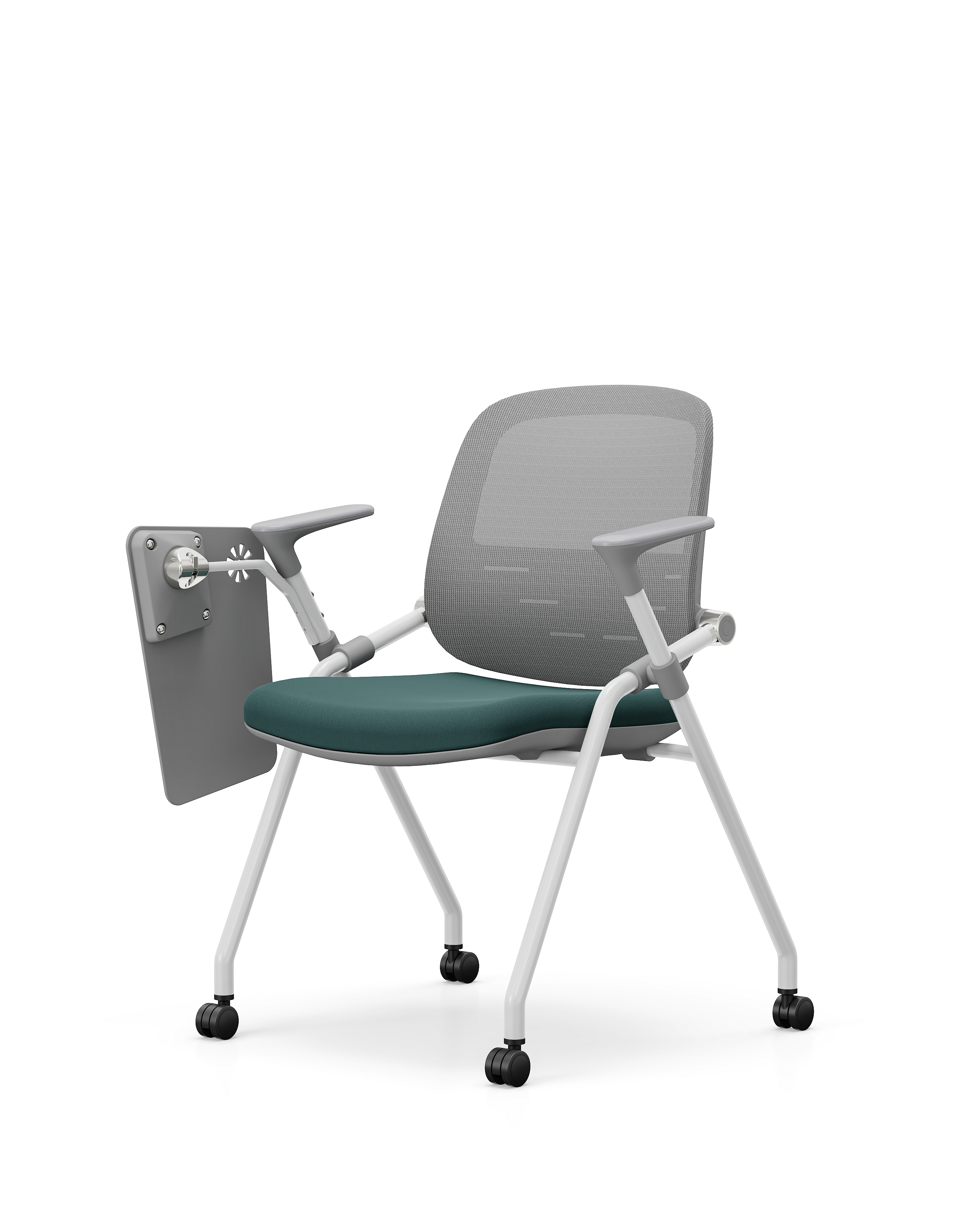
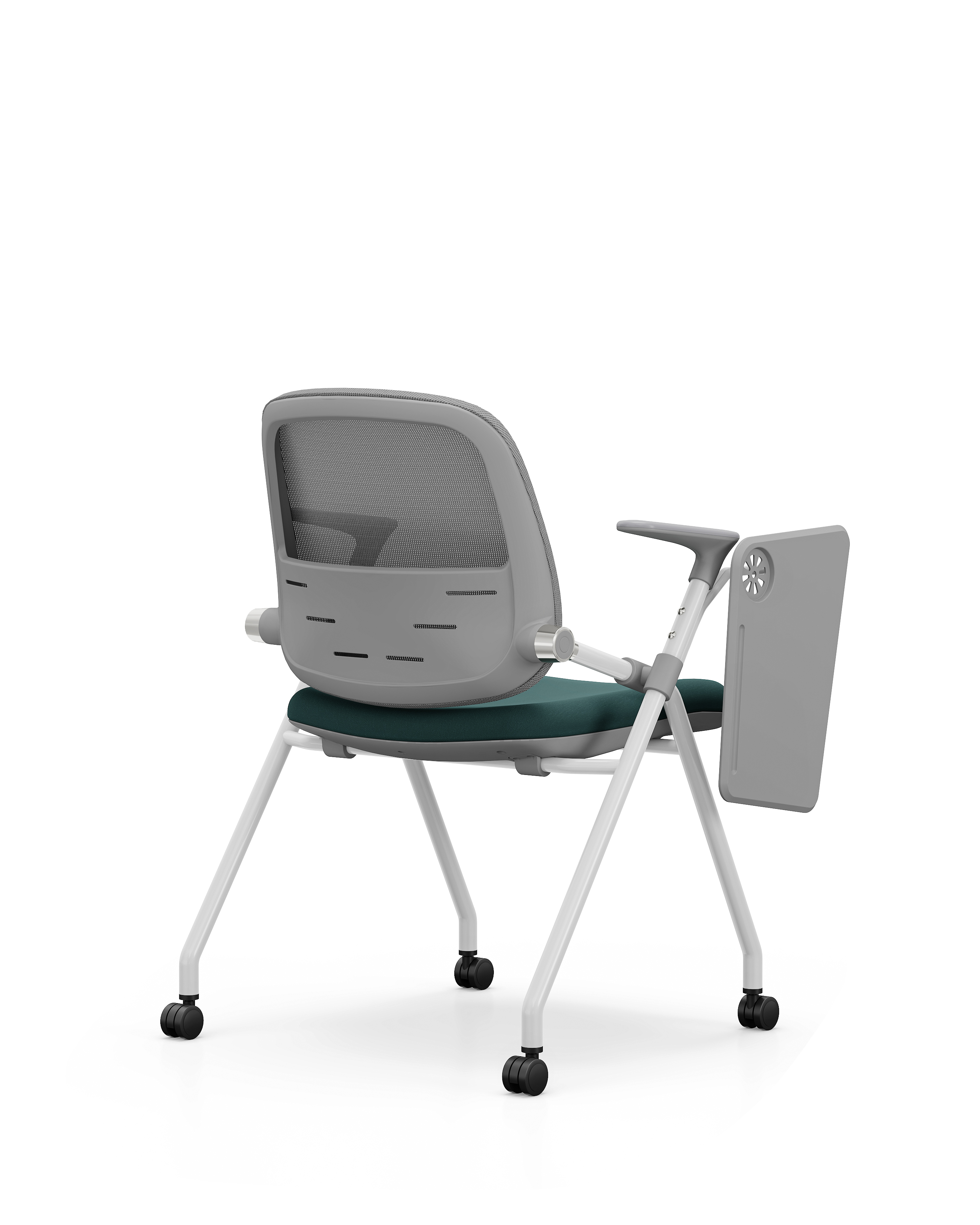
Understanding the Cost Factors of Wholesale Meeting Chair Purchases

Understanding the Cost Factors of Wholesale Meeting Chair Purchases

The cost of meeting chairs can vary significantly based on several factors. Understanding these can help you manage your budget effectively:

Material Quality: Higher-quality materials generally lead to increased costs. Investing in durable upholstery materials may reduce long-term replacement expenses.

Customization: Custom colors, branding, or specific features can increase the price. Determine whether customization is essential for your project and budget accordingly.

Order Quantity: Bulk purchases often come with discounts. Knowing your minimum order quantity (MOQ) can help in negotiating better pricing.

Shipping and Handling: Consider the logistics of delivery, especially for large orders. Shipping costs can add up, particularly if the chairs need to be delivered to multiple locations or require special handling.

Warranty and After-Sales Support: Chairs that come with extended warranties may have a higher upfront cost but can save money in the long run through reduced maintenance and replacement needs.

Understanding these cost factors can help you make a more informed purchasing decision that balances quality with budget constraints.

Installation Guidelines for Efficient Meeting Chair Setup

Installation Guidelines for Efficient Meeting Chair Setup

Efficient installation of meeting chairs is essential to ensure they are ready for use without delays. Here are some practical guidelines:

Unpacking and Inspection: Upon delivery, inspect each chair for damage and ensure all parts are included. Document any discrepancies immediately.

Assembly: Follow the manufacturer's assembly instructions carefully. If the chairs require assembly, ensure that all components are fitted correctly to avoid instability.

Arranging the Space: Plan the layout of the chairs in relation to tables and other furniture. Consider leaving enough space for movement and accessibility, especially if the chairs have casters.

Testing for Comfort and Functionality: After setup, have a few users test the chairs to ensure they meet comfort and functionality expectations. Adjustments may be needed based on user feedback.

Regular Maintenance: Establish a routine for inspecting and maintaining the chairs to prolong their lifespan. This includes tightening screws, cleaning upholstery, and checking for wear and tear.

Following these guidelines will facilitate a smooth setup process and ensure that the meeting space is optimized for productivity.

Material Advantages of Our Meeting Chairs for Durability and Comfort

At DESTON FURNITURE, we prioritize the selection of materials that enhance the durability and comfort of our meeting chairs. The use of high-quality mesh fabrics promotes airflow, reducing heat buildup during long meetings. Mesh is also lightweight, making it easier to move chairs without straining.

For chairs that require easy cleaning, vinyl or synthetic leather options are available. These materials are resistant to spills and stains, making them ideal for environments like schools or healthcare facilities. Additionally, the structural integrity of our chairs is reinforced through precision production and strict quality control, ensuring they withstand daily use.

Moreover, our chairs are designed with ergonomic principles in mind. Features such as adjustable lumbar support and armrests cater to various body types, promoting healthy posture and reducing fatigue. This focus on material selection not only enhances comfort but also supports long-term use, making our meeting chairs a cost-effective solution for any commercial environment.

By understanding these aspects, B2B buyers can confidently select meeting chairs that meet their operational demands while ensuring user satisfaction.

How to Choose the Right Meeting Chair for Your Project Needs

When selecting meeting chairs, it’s essential to assess the specific requirements of your project. Start by considering the intended use: will the chairs be used for long meetings, casual discussions, or training sessions? The frequency and duration of use will influence the choice of materials and design.

Look for chairs that offer ergonomic support, especially if they will be used for extended periods. Features like adjustable height, lumbar support, and breathable materials can enhance comfort and productivity. Additionally, consider the aesthetics of the chair. It should complement the office design and branding, creating a cohesive environment. For example, you might want to explore options like the HL-651 Series Double-Back Lumbar Support Training Chair, which is designed with comfort in mind.

Lastly, assess the user demographics. For example, if the chairs will be used in a school, they may need to cater to a younger audience, which might require different height adjustments and designs compared to chairs used in corporate settings.

Get a Free Quote

Our representative will contact you soon.
Name
Email
Company Name
Telephone
Message
0/1000
Attachment
Please upload at least an attachment
Up to 3 files, each no larger than 30MB. Supported formats: jpg, jpeg, png, pdf, doc, docx, xls, xlsx, csv, txt, stp, step, igs, x_t, dxf, prt, sldprt, sat, rar, zip.

Related product categories

Choosing the Right Meeting Chair for Your Project

Get a Free Quote

Our representative will contact you soon.
Name
Email
Company Name
Telephone
Message
0/1000
Attachment
Please upload at least an attachment
Up to 3 files, each no larger than 30MB. Supported formats: jpg, jpeg, png, pdf, doc, docx, xls, xlsx, csv, txt, stp, step, igs, x_t, dxf, prt, sldprt, sat, rar, zip.