
Choosing the Right Indoor Leisure Chairs

All Categories

leisure chair indoor

Choosing the right leisure chair for indoor commercial spaces involves understanding the specific needs and preferences of your target audience, as well as the functional and aesthetic requirements of the environment. The term "leisure chair indoor" encompasses a variety of seating options designed for comfort and style, primarily used in settings like offices, schools, hospitals, and commercial spaces. This article aims to guide purchasing managers, product managers, and other B2B buyers in making informed decisions by addressing key considerations, quality standards, specifications, installation guidance, and common issues related to indoor leisure chairs.
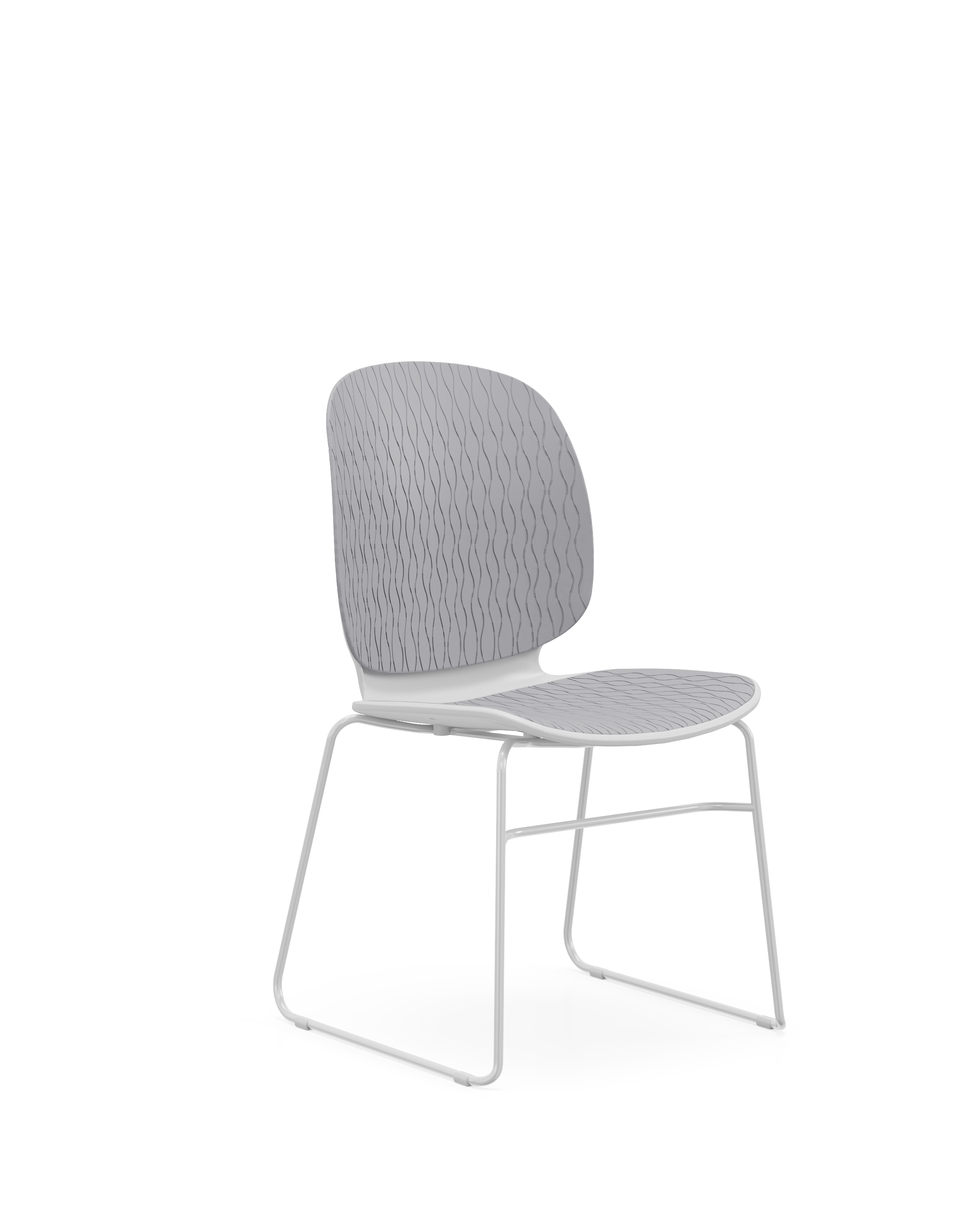
Cost Savings on Indoor Leisure Chairs

Cost Savings on Indoor Leisure Chairs

When purchasing leisure chairs in bulk, adherence to quality standards is paramount. A thorough understanding of these standards can significantly affect the longevity and performance of the chairs, ultimately influencing overall customer satisfaction. For example, chairs should meet specific safety requirements, such as stability and weight capacity, to ensure they are safe for all users.

In addition to safety, buyers should look for certifications that indicate the chairs have been tested for durability and environmental impact. Materials used in production, such as fabrics and foams, should be compliant with industry standards for toxicity and flame resistance. Implementing a quality control process that includes inspections at various stages of production—initial design, material selection, and pre-shipment—can help ensure that the final products meet these essential quality benchmarks.
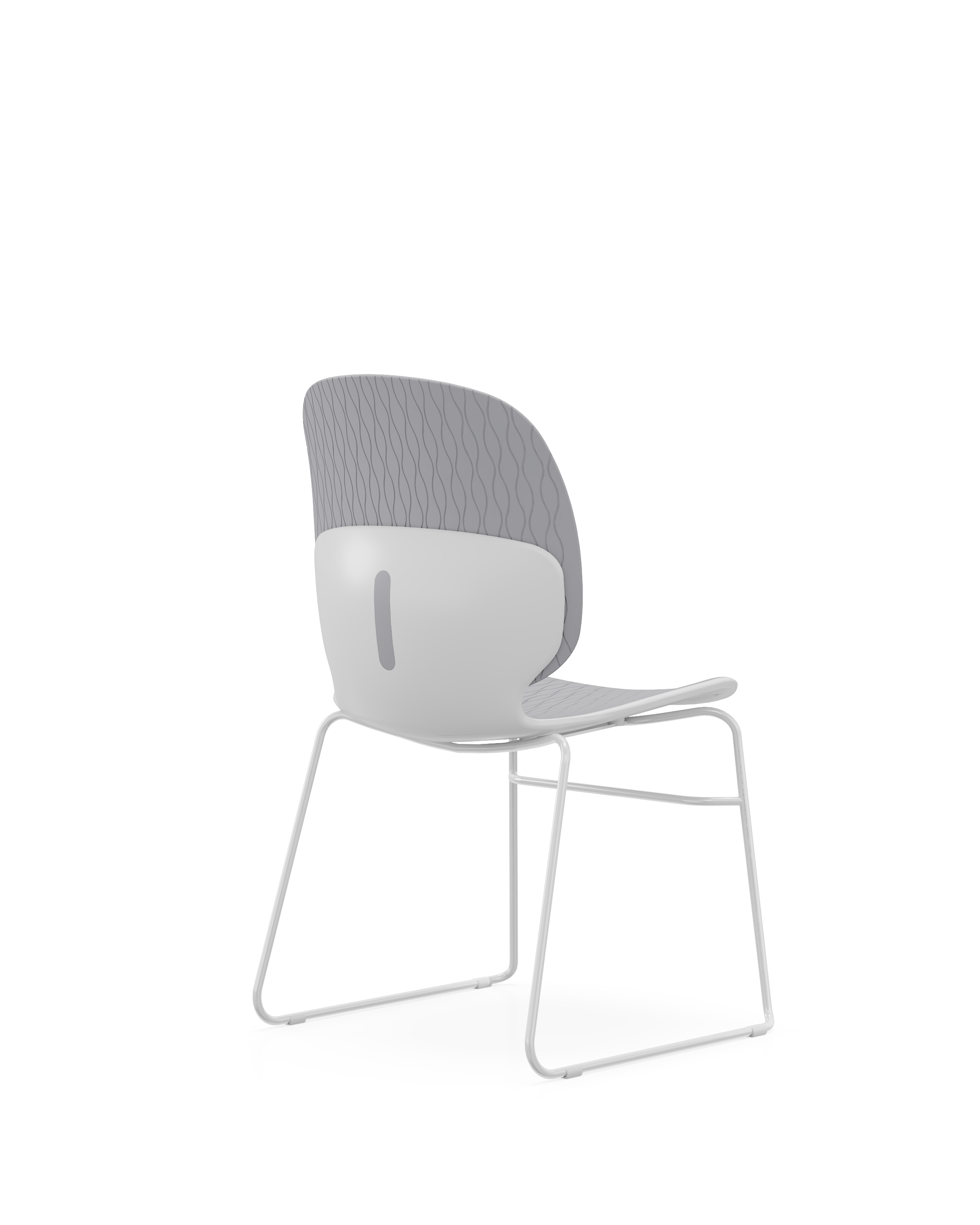
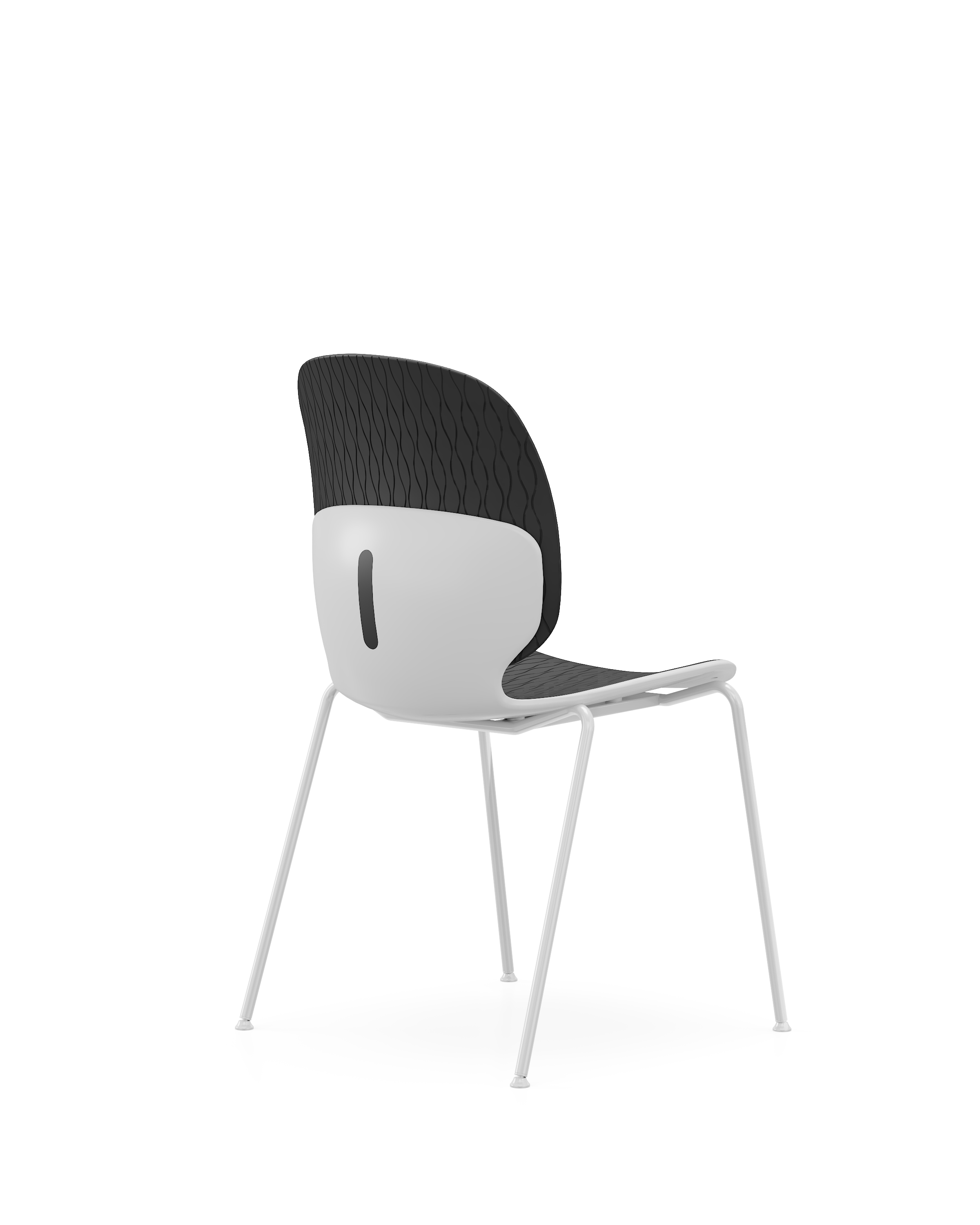
How to Evaluate the Quality of Indoor Leisure Chairs

How to Evaluate the Quality of Indoor Leisure Chairs

Several key specifications are important when selecting leisure chairs for indoor environments:

Material: Common materials include metal, wood, and various upholstery options. The material should align with the intended use; for example, easy-to-clean fabrics are ideal for healthcare settings, while more luxurious materials may suit upscale office lobbies.

Dimensions: Consider the size of the chairs in relation to the space. Ensure that the dimensions accommodate the average user while also considering accessibility requirements for individuals with disabilities.

Weight Capacity: Verify the weight limits to ensure that the chairs can support all intended users safely. This is especially important in commercial settings where a diverse range of body types may be present.

Ergonomics: Look for features that promote comfort and support, such as lumbar support, adjustable heights, and armrests. These factors can significantly enhance user satisfaction and reduce discomfort during prolonged use. For a great ergonomic option, consider the HL-650 Series Double-Back Hollow Lumbar Support Folding Training Chair.

Finish and Durability: The surface finish of the chairs should be resistant to scratches and stains, especially in high-traffic areas. Testing for UV resistance is also important if the chairs will be exposed to sunlight.

Understanding Cost Factors in Indoor Leisure Chair Purchases

Understanding Cost Factors in Indoor Leisure Chair Purchases

Proper installation of leisure chairs is critical to ensure safety and functionality. When receiving shipments, verify that all components are present and undamaged. Follow the manufacturer's installation instructions closely, as improper assembly can compromise the chair's integrity and performance.

In commercial settings, consider the layout carefully. Chairs should be arranged to facilitate easy movement while maintaining an inviting atmosphere. For instance, in waiting areas, ensure that chairs are spaced adequately to provide privacy while still accommodating foot traffic.

If the chairs require any additional features, such as connection systems for training or conference settings, ensure these are installed according to the manufacturer’s guidelines. Regular checks for stability and wear, especially in high-use environments, can help identify maintenance needs early on, ensuring a safe and functional seating solution.

Applications of Indoor Leisure Chairs in Various Environments

Despite careful selection and installation, indoor leisure chairs can encounter common issues. Here are a few potential problems and practical solutions:

Wear and Tear: Over time, upholstery may fade or become damaged. Regular cleaning and maintenance, along with using high-quality, durable fabrics, can extend the life of the chairs. Consider offering an upholstery warranty or maintenance plan to address this concern.

Stability Issues: Chairs may wobble or become unstable due to uneven flooring or improper assembly. Ensure that all chairs are assembled correctly and check for level flooring during installation. If wobbling persists, consider using adjustable feet or floor protectors.

Discomfort: If users report discomfort after extended use, evaluate the chair's ergonomic features. It may be necessary to select chairs with improved lumbar support or to provide cushions that enhance comfort during long periods of sitting.

Maintenance Challenges: In environments like healthcare facilities, chairs may require frequent cleaning. Opt for materials that are stain-resistant and easy to clean, and establish a regular maintenance schedule to keep chairs in optimal condition.

By addressing these common issues proactively, buyers can ensure that their leisure chairs remain functional and comfortable in indoor commercial spaces.

In summary, understanding the nuances of selecting, purchasing, installing, and maintaining leisure chairs for indoor environments is crucial for B2B buyers. By focusing on quality standards, specifications, and common challenges, purchasing managers can make informed decisions that enhance user experience while ensuring durability and functionality in their commercial spaces.

Where to Find Reliable Suppliers for Indoor Leisure Chairs

When selecting leisure chairs for indoor commercial spaces, it's crucial to consider the intended use and the environment in which they will be placed. Factors such as ergonomics, aesthetics, durability, and maintenance play significant roles in the decision-making process. For instance, if the chairs are to be used in a waiting area, comfort and style may take precedence, while chairs intended for multi-use spaces, like training rooms, might require more emphasis on durability and ease of maintenance. Chairs like the HL-670 Series Integrally Molded Fixed Backrest Training Chair are designed to meet these needs effectively.

Additionally, consider the seating capacity and space constraints. Chairs that can be stacked or easily moved can enhance flexibility in settings that require frequent reconfigurations. Material selection also matters; for high-traffic areas, choosing chairs made from robust materials that can withstand wear and tear is essential. Lastly, incorporating a cohesive design that aligns with the overall branding of the space can enhance the aesthetic appeal and user experience.

Get a Free Quote

Our representative will contact you soon.
Name
Email
Company Name
Telephone
Message
0/1000
Attachment
Please upload at least an attachment
Up to 3 files, each no larger than 30MB. Supported formats: jpg, jpeg, png, pdf, doc, docx, xls, xlsx, csv, txt, stp, step, igs, x_t, dxf, prt, sldprt, sat, rar, zip.

Related product categories

Choosing the Right Indoor Leisure Chairs

Get a Free Quote

Our representative will contact you soon.
Name
Email
Company Name
Telephone
Message
0/1000
Attachment
Please upload at least an attachment
Up to 3 files, each no larger than 30MB. Supported formats: jpg, jpeg, png, pdf, doc, docx, xls, xlsx, csv, txt, stp, step, igs, x_t, dxf, prt, sldprt, sat, rar, zip.